Home › Training, Behavior & Exercise
How Long Can a Golden Retriever Be Left Alone? Puppies, Adults and Seniors

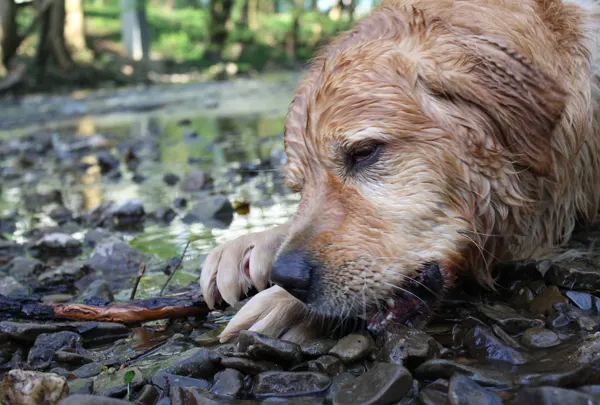
Photo: Johannnes89 via Wikimedia Commons, CC BY-SA 4.0
🐾 Getting ready for a puppy? Grab the free Golden Retriever Puppy Checklist (PDF) — no email required.
Goldens are famously people-oriented. They were bred to work closely with their handlers, and most are happiest with their family close by. So how long is too long to leave one alone?
What the experts say
| Source | Guidance |
|---|---|
| AKC (citing a board-certified veterinary behaviorist) | Dogs should get a minimum of two hours of dedicated social time daily, and no more than six to eight hours alone without a chance to relieve themselves |
| RSPCA (UK) | Depends on the individual dog, but advises no longer than four hours at a time, so they have chances to exercise, toilet and spend time with people |
The guidance doesn’t line up exactly, so use these as guardrails, not guarantees. Eight hours is the outer limit for a healthy adult, and the RSPCA suggests less. Your dog’s age, health, training and temperament matter.
By life stage
| Stage | What to expect |
|---|---|
| Puppies (8 weeks to 6 months) | Need frequent potty breaks, meals, naps and training. Alone time must be built up slowly and short. See potty schedule and sleep schedule |
| Adolescents (6 to 24 months) | Energetic and chewy. Need exercise before you leave and safe things to chew. See teething |
| Healthy adults | Can often handle a few hours if exercised, fed and trained |
| Seniors | May need more frequent bathroom breaks and comfort. Joint pain and cognitive issues can make being alone stressful. See senior dog care |
| Dogs with medical conditions | Ask your vet |
Teaching your dog to be alone
Alone time is a skill that needs to be taught, not just endured.
- Start tiny. Leave for seconds, then minutes, returning before your dog gets upset.
- Make departures boring. No dramatic goodbyes or greetings.
- Exercise first. A walk and play session before you go helps your dog settle.
- Offer a safe, enjoyable activity. A stuffed chew or puzzle toy. See toys guide. Remove anything unsafe.
- Use a safe space. A crate or pen helps some dogs when introduced positively. See crate size.
- Keep it predictable. Consistent routines help.
- Increase gradually, and back off if your dog shows stress.
Signs your dog is struggling
- Barking, howling or whining for long periods
- Destructive chewing or digging, especially at doors and windows
- House soiling that only happens when you’re gone
- Drooling, panting or pacing
- Escape attempts, or injuries from trying to get out
- Not eating treats or food when alone
The ASPCA describes separation anxiety as a condition that needs behavior modification and sometimes veterinary support. Don’t punish. Talk to your vet, who may refer you to a veterinary behaviorist or certified trainer.
Options if you work long hours
- Midday dog walker or pet sitter
- Doggy daycare (check the facility, and see if your golden enjoys it)
- A trusted friend or neighbor
- Flexible or remote work, taking your dog to work if allowed
- Splitting the day, with one adult home for part of it
- Splitting walks and play before and after work
The AKC’s article on working full time with a dog stresses that it’s possible with planning, and that the dog’s needs for exercise and companionship still need to be met.
Before you get a golden
If your household is empty most of the day, think about whether a golden is the right fit now. See Should I get a golden retriever? and the budget guide for costs like walkers and daycare.
Related
Frequently asked questions
Can a golden retriever be left alone for 8 hours?
The AKC cites a veterinary behaviorist who recommends a maximum of six to eight hours alone without a chance to relieve themselves, while the RSPCA advises no more than four hours. For a golden, 8 hours regularly is a lot. A midday walker or daycare can help.
How long can a golden retriever puppy be left alone?
Much less than adults, since puppies can't hold their bladders for long and need frequent meals, play and training. A common rule of thumb is about one hour per month of age during the day, to a limit. Ask your vet.
Are golden retrievers prone to separation anxiety?
Goldens are very people-oriented, and any dog can develop it. Warning signs include destruction, constant barking or howling, pacing, drooling and house soiling only when alone. Talk to your vet or a behavior professional.
Should I crate my golden when I'm out?
A crate can be useful if the dog has been gradually taught to like it, but it isn't suitable for long hours or for dogs that panic. See the crate size guide.
Can I work full time and own a golden?
Many people do, with planning: dog walkers, daycare, flexible schedules, or a pet-friendly workplace. It's one of the questions to ask before you get a dog.
A quick note: this guide is general information from published sources, written by dog lovers, not a veterinarian. Your own vet knows your dog's history, so check with them before changing food, exercise or treatment.
Sources
Keep reading

Golden Retriever Separation Anxiety: Signs, Causes and How to Help
Is your golden panicking when you leave? Learn the signs of separation anxiety, what to rule out, and a gentle plan based on ASPCA and AVSAB guidance.

What Size Crate Does a Golden Retriever Need? Puppy to Adult Guide
What size crate for a golden retriever? Adult sizes, how to use a divider for puppies, how to measure your dog, wire vs. plastic vs. soft crates and what to look for when you buy.
Best Toys for Golden Retrievers: Fetch, Chew, Puzzle and Water Toys by Type
How to choose the best toys for a golden retriever: fetch, chew, puzzle and water toys compared, safety rules for big retriever mouths and how to rotate toys to prevent boredom.


Should I Get a Golden Retriever? Honest Pros, Cons and a Quick Self-Check
Is a golden retriever right for you? An honest look at time, exercise, shedding, health costs and temperament, with a self-check table to help you decide before you buy.