Home › Training, Behavior & Exercise
Golden Retriever Separation Anxiety: Signs, Causes and How to Help

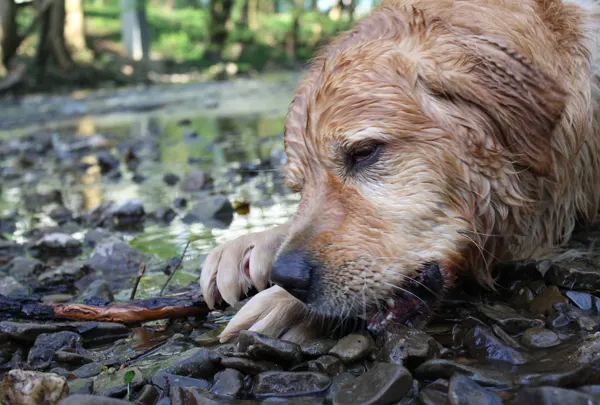
Photo: V.B.Speranza via Wikimedia Commons, CC BY-SA 4.0
🐾 Getting ready for a puppy? Grab the free Golden Retriever Puppy Checklist (PDF) — no email required.
You grab your keys, and your golden retriever’s whole body changes. The tail drops. The pacing starts. By the time you’re in the driveway, you can hear the howling. If that sounds familiar, you may be dealing with separation anxiety. It’s one of the most distressing problems for dogs and for the people who love them. The good news is that it can improve, often a lot, with patient, gentle work.
This guide explains what golden retriever separation anxiety looks like, how to tell it apart from boredom or poor house training, what to do about it, and when to bring in a professional. It draws on guidance from the ASPCA, the American Veterinary Society of Animal Behavior (AVSAB) and the AKC.
Important: this is general information, not a treatment plan. Separation anxiety can be serious. If you suspect it, talk to your veterinarian and consider working with a qualified behavior professional.
What is separation anxiety?
The ASPCA explains that separation anxiety is triggered when dogs become upset because of separation from their guardians, the people they’re attached to. It isn’t misbehavior. In the words of an AVSAB veterinary behaviorist, many dogs with separation anxiety are “experiencing true panic every time they are left alone,” and it’s “one of the most serious issues I treat.” It also takes a toll on owners, who often feel guilt, frustration and isolation.
Are goldens more prone to it?
Goldens are famous for being devoted, people-loving dogs, and some owners say theirs follow them from room to room. In the AKC’s golden vs Labrador interview, a breed expert calls Goldens “clingy” compared with Labradors (see our golden retriever vs Labrador guide). That’s a generalization about temperament, not proof of a higher rate of separation anxiety.
We couldn’t find reliable, breed-specific numbers, so we won’t say goldens are more or less likely to develop it. What matters is your individual dog. Any dog, of any breed, can develop separation anxiety.
Signs of separation anxiety
According to the ASPCA, these behaviors may indicate separation anxiety when they happen when the dog is left alone or separated from their guardian, and usually don’t happen when the guardian is present:
- Urinating or defecating in the house
- Barking and howling that is persistent and doesn’t seem triggered by anything except being alone
- Chewing, digging and destruction, especially at doors, windows and exit points, which can cause injuries such as broken teeth and torn nails
- Escape attempts, sometimes extreme
- Pacing in a fixed pattern
- Coprophagia (eating feces) in some dogs
Other clues the ASPCA describes: drooling, agitation when you prepare to leave (picking up keys, putting on shoes), following you everywhere, and a greeting that’s wildly excessive, “as though it’s been years since he’s seen his mom or dad.” AVSAB adds restlessness, panting, lip licking and whining.
Dogs with separation anxiety typically start showing distress soon after you leave. The ASPCA says it’s often within minutes, and AVSAB reports that many show signs within the first 10 minutes.
What else could it be?
Before deciding it’s separation anxiety, rule out other causes. The ASPCA suggests you consider:
Medical problems
House soiling can come from urinary tract infections, a weak sphincter in older dogs, hormone-related issues after spaying, bladder stones, diabetes, kidney disease, Cushing’s disease and neurological problems, plus some medications. The ASPCA advises seeing your vet to rule out medical issues before starting behavior modification.
Other behavior problems
- Incomplete house training. If your dog has accidents when you’re home too, it’s probably not separation anxiety.
- Excitement or submissive urination during greetings.
- Urine marking.
- Juvenile destruction. Young goldens chew and dig even when you’re home.
- Boredom. Under-stimulated dogs may be destructive, but they usually don’t look anxious.
- Barking at outside noises. Dogs who bark at passing triggers usually also bark when you’re home.
Golden puppies are notorious chewers. If your young dog shreds pillows while you’re at work but also while you’re making dinner, that is probably puppyhood, not panic. Our puppy training guide covers chewing and mouthing.
The best way to know: video
AVSAB’s top tip is simple. Record your dog while you’re away. A laptop, phone or home camera works. Ideally capture a normal workday and an off-routine absence. Watch at least the first 30 to 60 minutes. Look at what happens before any barking or destruction, and watch for subtle signs such as panting, lip licking, pacing and restlessness.
The video may show a dog who’s truly panicking, which tells you how serious it is and gives your vet or behaviorist useful information. Or it may show a dog who naps peacefully with only a couple of barks at the mail carrier. Either way, you’ll know what you’re dealing with.
Why does it happen?
The ASPCA says “there is no conclusive evidence showing exactly why dogs develop separation anxiety,” but certain situations are associated with it:
- A change of guardian or family (including adoption from a shelter)
- An abrupt change in schedule, such as a person who worked from home going back to the office for six or more hours a day
- A move to a new home
- A change in the household, such as someone leaving or passing away
If your golden’s anxiety started after a big life change, that’s useful information for your behaviorist.
What to do right now
AVSAB suggests five things for a dog who’s distressed home alone:
- Exercise and play before you leave, but finish at least 30 minutes before you walk out the door. It’s easier for a dog to adjust to your absence if you spend some time disengaged first.
- Give a durable, interactive toy (for example a stuffed food toy) a few minutes before you leave, so your departure predicts something good.
- Don’t punish. Soiling and destroying things are symptoms of distress, not payback. Punishment can worsen anxiety.
- Avoid leaving your dog alone when you can. If a dog panics during your absence, repeated exposure usually makes the reaction stronger, not weaker. Most dogs with separation anxiety get worse without treatment rather than “getting used to it.” Arrange a family member, sitter, daycare or taking your dog with you while you work on a plan.
- Get help. Consult a veterinary behaviorist or a veterinarian with a special interest in behavior.
How treatment works
The ASPCA explains the goal: to resolve the underlying anxiety by teaching the dog to enjoy, or at least tolerate, being alone, by setting things up so the dog experiences being alone without feeling fear or anxiety.
Mild cases: counterconditioning
For mild separation anxiety, the ASPCA says counterconditioning may be enough. Each time you leave, give a puzzle toy stuffed with something delicious, like a frozen stuffed food toy that takes 20 to 30 minutes to finish, and remove it when you return, so it only appears when your dog is alone. The ASPCA warns this only works for mild cases, because highly anxious dogs usually won’t eat when their person is gone.
Moderate to severe cases: desensitization and counterconditioning
For more serious cases, the ASPCA describes a longer program that gradually accustoms the dog to being alone, with many short separations that don’t cause anxiety, extended slowly over weeks. A very short summary of their approach:
- Predeparture cues. If your dog panics when you pick up keys or put on shoes, practice those cues without leaving, many times a day, so they stop predicting departure.
- Out-of-sight stays. Teach your dog to stay while you step behind a door in the house, and slowly build the time.
- Graduated absences. Start with 1 to 2 seconds outside, then slowly increase. Add a stuffed food toy when you reach 5 to 10 second separations. Wait a few minutes between practice absences so your dog is fully relaxed.
- Watch for stress and back up. Signs include dilated pupils, panting, yawning, drooling, trembling, pacing and an over-the-top greeting. If you see them, shorten the absence and progress more slowly.
- Build up. Most anxious responses happen within the first 40 minutes alone, so a lot of the work happens there. According to the ASPCA, a dog who can handle 90 minutes without anxiety can probably handle four to eight hours.
- Keep hellos and goodbyes calm. A quick pat and goodbye, and a low-key greeting that waits for your dog to settle.
The ASPCA stresses these programs are “complex and can be tricky,” that they require careful reading of your dog’s body language, and that mistakes, such as going too fast, can make things worse. Throughout treatment, the dog shouldn’t be left alone beyond the planned sessions, which is why a sitter, daycare or a friend is so important.
Medication
The ASPCA notes that anti-anxiety medication can help a dog tolerate some isolation and make treatment progress faster, and that most dogs need a combination of medication and behavior modification. Only your vet or a veterinary behaviorist can prescribe it. Never give a dog human medication.
Should you use a crate?
Many owners reach for the crate, hoping to protect the house. The AKC says crate training is valuable for most dogs, but warns that “we often think crate training can treat separation anxiety, but these dogs often panic in their crate,” and can hurt themselves trying to escape. The ASPCA agrees that for some dogs the crate adds stress. If your dog shows heavy panting, excessive drooling, frantic escape attempts or persistent howling in the crate, stop using it for alone-time and ask a professional for help.
Alternatives include a larger puppy-proofed space such as a gated room or exercise pen. Stay near your dog during any crate practice to see how they’re coping.
Exercise and enrichment help (but aren’t a cure)
The ASPCA recommends at least 30 minutes of aerobic activity daily, interactive games, varied walks, food puzzles, scent games (scatter kibble to “hunt”), and reward-based training classes. These meet a golden’s needs and help a tired dog relax. See our golden retriever exercise guide for more ideas. But exercise alone usually doesn’t solve separation anxiety, so keep going with the graduated plan.
Preventing problems in puppies
Teaching your golden to be comfortable alone from the start can help, though there are no guarantees:
- Practice short, calm separations every day, even when you’re home (a baby gate, a closed door for a few minutes with a chew).
- Make alone-time pleasant with stuffed toys and chews.
- Avoid dramatic hellos and goodbyes.
- Build a predictable routine.
- Keep up socialization; the AVSAB says the first three months are the key window for exposure to varied people, places and experiences, as long as it’s done safely.
When to get professional help
Contact your vet or a qualified behavior professional if:
- Your dog panics every time you leave, even for short absences
- Your dog injures themselves (broken teeth, bloody paws, damaged nails)
- Neighbors complain about the barking
- The problem is getting worse
- You’ve tried the basics for a few weeks without improvement
The ASPCA suggests a Certified Applied Animal Behaviorist or a board-certified veterinary behaviorist, or if you can’t find one, a Certified Professional Dog Trainer who has real experience treating fear with desensitization and counterconditioning. If there isn’t a behaviorist near you, AVSAB notes that many veterinary behaviorists offer vet-to-vet consultations, so your regular vet can talk the case through with one.
You’re not a bad owner
If your golden is anxious without you, it doesn’t mean you did something wrong. It’s not spite, and it isn’t a sign you’ve spoiled them. It means your dog is struggling, and you’re doing the right thing by looking for help. With patience and a good plan, many dogs learn that being alone is okay, and the whole household can relax. Our Facebook community has lots of members who’ve been through this and are glad to share what worked for them, though always check any plan with your vet or behaviorist first.
Frequently asked questions
Are golden retrievers prone to separation anxiety?
We couldn't find reliable data showing that golden retrievers have more separation anxiety than other breeds, so we won't claim it. What we can say is that goldens are famously people-oriented, and AKC breed experts describe them as clingier than Labradors. Separation anxiety can affect any dog, and the ASPCA notes there is no conclusive evidence of exactly why dogs develop it.
What are the signs of separation anxiety in dogs?
The ASPCA lists urinating or defecating indoors, persistent barking or howling, chewing, digging and destruction, escape attempts, pacing and, in some dogs, coprophagia, all happening when the dog is left alone or separated from their person. Drooling and agitation when you prepare to leave are also common. These behaviors usually don't happen when the dog is with their person.
How can I tell if it's separation anxiety or boredom?
Video your dog while you are out. The American Veterinary Society of Animal Behavior (AVSAB) says this is the most effective way to tell. Dogs with separation anxiety typically show distress within the first 30 to 60 minutes, many within 10 minutes, with signs like panting, pacing, lip licking and whining. A bored dog usually doesn't look anxious, and may just nap and then chew something.
Will crate training fix separation anxiety?
Not usually. The AKC says dogs with separation anxiety often panic in a crate and can hurt themselves trying to escape. For these dogs, a larger puppy-proofed space such as a gated area, plus professional behavioral support, is generally better. The ASPCA adds that if a dog shows distress in a crate, confinement is not the best option.
Should I punish my dog for destroying things while I'm away?
No. Both the ASPCA and AVSAB say these behaviors are distress responses, not spite, and punishment can make the anxiety worse.
When should I talk to a vet or behaviorist?
As soon as you suspect separation anxiety. Your vet can rule out medical causes, such as urinary tract infections for house soiling, and discuss options, including medication when needed. For a treatment plan, the ASPCA recommends a Certified Applied Animal Behaviorist or a board-certified veterinary behaviorist, or a qualified Certified Professional Dog Trainer.
A quick note: this guide is general information from published sources, written by dog lovers, not a veterinarian. Your own vet knows your dog's history, so check with them before changing food, exercise or treatment.
Sources
Keep reading

How Long Can a Golden Retriever Be Left Alone? Puppies, Adults and Seniors
How many hours can you leave a golden retriever alone? What the AKC and RSPCA say, puppy limits, signs of separation anxiety, and how to make alone time easier.

What Size Crate Does a Golden Retriever Need? Puppy to Adult Guide
What size crate for a golden retriever? Adult sizes, how to use a divider for puppies, how to measure your dog, wire vs. plastic vs. soft crates and what to look for when you buy.
Golden Retriever Puppy Training: A Step-by-Step Guide for the First Year
How to train a golden retriever puppy: socialization, biting, crate and potty training, and what to expect from the angel stage through the teenage months.

Best Toys for Golden Retrievers: Fetch, Chew, Puzzle and Water Toys by Type
How to choose the best toys for a golden retriever: fetch, chew, puzzle and water toys compared, safety rules for big retriever mouths and how to rotate toys to prevent boredom.