What Size Crate Does a Golden Retriever Need? Puppy to Adult Guide
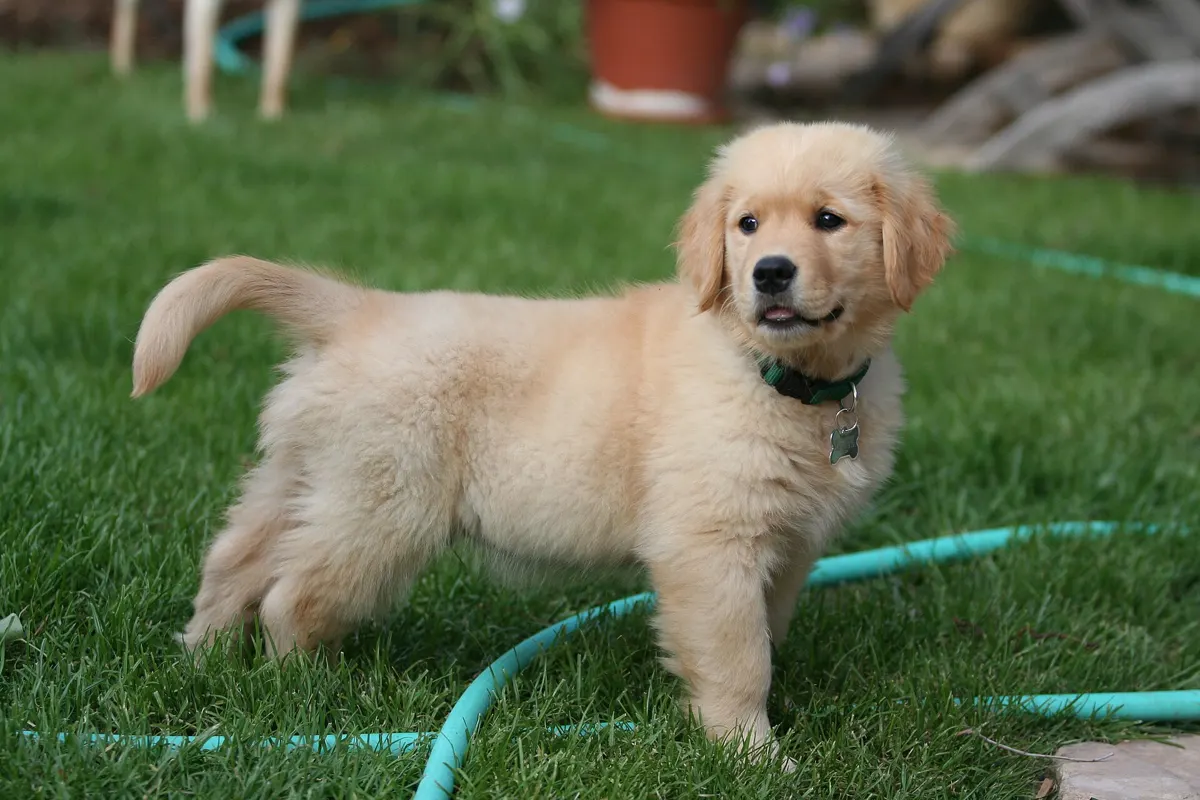
Photo: Scott via Wikimedia Commons, CC BY 2.0
🐾 Getting ready for a puppy? Grab the free Golden Retriever Puppy Checklist (PDF) — no email required.
The most common crate question for new golden owners is simple: what size? The answer is almost always: buy an adult-size crate with a divider and shrink it for your puppy.
Quick size chart
| Dog | Crate size | Notes |
|---|---|---|
| Adult female golden (about 55 to 65 lb) | 42 inch | Standard size for most goldens |
| Adult male golden (about 65 to 75 lb) | 42 inch, or 48 inch if tall or long | Check measurements |
| Puppy 8 to 12 weeks | 42 inch with divider set small | Just room to stand, turn and lie down |
| Puppy 4 to 6 months | 42 inch with divider moved back | Adjust as they grow |
| Senior dog | 42 or 48 inch | Larger crates can help stiff joints |
A 42-inch wire crate is usually about 42 inches long, 28 inches wide and 30 inches tall, although brands differ. Check the dimensions.
How to measure your golden
The AKC’s crate guide gives a simple method:
- With your dog standing, measure from the top of the head to the floor.
- Measure from the tip of the nose to the base of the tail.
- Add 3 to 4 inches to each number.
Your dog should be able to stand without ducking their head, turn around and lie down comfortably.
Puppies: use a divider
Cornell University’s veterinarians recommend buying a crate big enough for the adult dog and using a divider to make it smaller for a puppy. This avoids buying multiple crates and keeps a puppy from having a toilet corner. If the space is too large, they might use one side as a bed and the other as a toilet.
| Puppy age | Divider |
|---|---|
| 8 weeks | Just enough room to stand, turn and lie down |
| Move back as they grow | Increase the space as they grow and stay clean |
See our potty training schedule.
Crate types
| Type | Pros | Cons |
|---|---|---|
| Wire | Ventilated, folds flat, dividers common, many with two doors | Can be noisy, needs a cover for a den feel |
| Plastic | Cozy, good for flying and cars | Poor ventilation in heat, divider less common |
| Soft-sided | Light for calm dogs | Chewers can destroy it, not for puppies |
| Furniture-style | Looks good | Expensive, check ventilation and chew-resistance |
| Heavy-duty (escape-proof) | For escape artists | Expensive and heavy |
Where to put it
- A quiet corner of the living space or bedroom
- Away from drafts and direct sun
- Not next to heaters or in a hot car
Use the crate kindly
- Never use the crate for punishment.
- Introduce it with treats and meals.
- Don’t leave your dog crated for long stretches. Cornell’s guidance says dogs should not be forced to remain crated if they are stressed, and should not be left in a crate for long periods without a chance to relieve themselves, play or exercise.
- If your dog panics, ask your vet or a trainer for help. See separation anxiety.
Crate bedding
A washable crate pad is enough. Puppies who chew may do better with no bedding at first. See our bed guide.
Buying checklist
- Right size, with a divider
- Sturdy latches and welds
- Slide-out tray for cleanup
- Folds flat for storage and travel
- Fits in your room and your car
Related
Crate options to compare
We describe what to look for in each type of product. Specific product links are being added, and every link here will be marked as a sponsored link.
Pick 1
42-inch double-door wire crate with divider
Best for: Most adult goldens and growing puppies
What to look for:
- Includes a divider panel
- Two doors (front and side)
- Slide-out tray
- Folds flat with carrying handles
- Rounded corners and secure latches
Pick 2
48-inch crate
Best for: Large males and tall dogs
What to look for:
- Divider included
- Strong welds
- Check your car and room fit
Pick 3
Crash-tested travel crate
Best for: Frequent car travel
What to look for:
- Independent crash test certification
- Good ventilation
- Sized for your vehicle
Pick 4
Crate cover
Best for: Dogs who settle better in a den-like crate
What to look for:
- Breathable fabric
- Fits your crate size
- Easy to roll up for airflow
Prices and availability change, so we do not list them here. Check the retailer's page for current details.
Frequently asked questions
What size crate does a golden retriever need?
Most adult goldens fit a 42-inch crate. A large male may be more comfortable in a 48-inch crate. Buy a crate with a divider so a puppy can use the same one as they grow.
How big should a crate be for a golden retriever puppy?
Just big enough to stand, turn around and lie down comfortably. Use the divider to shrink the space. Too much room can encourage accidents.
Wire, plastic or soft crate?
Wire crates are common for goldens, durable, ventilated and often include dividers. Plastic crates are good for travel. Soft crates suit calm adult dogs, not puppies or chewers.
Should the crate be in the bedroom?
Many owners start in the bedroom so the puppy feels close, then move the crate later if they want.
How long can a golden be left in a crate?
It depends on age and individual needs. Puppies need frequent breaks. Cornell's vets advise that a dog should never be left alone in a crate for an extended period without a chance to relieve themselves, play and exercise.
A quick note: this guide is general information from published sources, written by dog lovers, not a veterinarian. Your own vet knows your dog's history, so check with them before changing food, exercise or treatment.
Sources
Keep reading

Golden Retriever Puppy's First Night Home: A Realistic Plan
How to get through a golden retriever puppy's first night home: where they should sleep, what to do about crying, how many potty trips to expect and a simple evening routine.

Golden Retriever Puppy Potty Training Schedule: A Step-by-Step Plan That Works
A practical golden retriever puppy potty training schedule: how often to go out, how to use the crate, what to do after accidents and how long house training really takes.

Best Dog Bed for Golden Retrievers: Size, Support and Chew-Proofing Guide
How to choose the best dog bed for a golden retriever: the right size, orthopedic foam vs. cooling vs. chew-resistant beds, washable covers and a comparison table by life stage.