Best Brush for Golden Retrievers: Slicker, Pin, Rake and Comb Compared

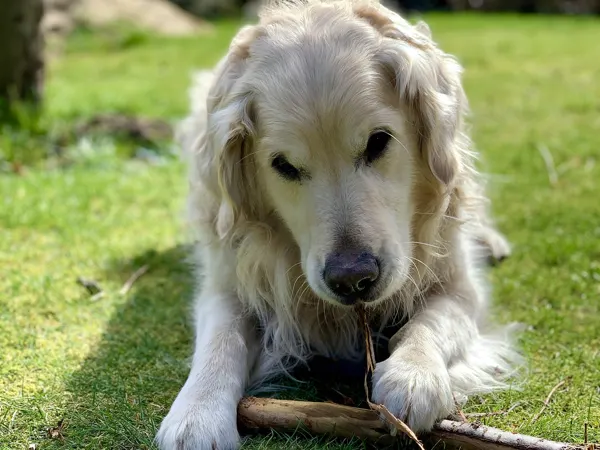
Photo: Johannnes89 via Wikimedia Commons, CC BY-SA 4.0
🐾 Getting ready for a puppy? Grab the free Golden Retriever Puppy Checklist (PDF) — no email required.
Golden retrievers have a double coat: a water-resistant outer coat, soft dense undercoat and feathering on the chest, legs, belly and tail. The right tools make brushing quicker and gentler, and cut down on the fur that ends up on your floor. This guide explains each tool, what it is for and what to look for.
The short version
If you buy only two things, get a slicker brush and a metal comb. Add an undercoat rake for shedding season. The AKC’s golden retriever breeders recommend brushing several times a week and trimming around paws, ears and tail to reduce tangles.
Brush types compared
| Tool | Best for | Watch out for |
|---|---|---|
| Slicker brush | Smoothing the coat, lifting loose hair and working through light tangles | Pressing hard can scratch skin. Use light strokes |
| Pin brush | Finishing and feathering, gentle on sensitive dogs | Doesn’t reach the undercoat |
| Metal comb | Checking for mats at the skin, working on feathering and “pants” | Can snag on mats, so be gentle |
| Undercoat rake | Removing loose undercoat during seasonal shedding | Don’t overuse. Rake in the direction of hair growth |
| Deshedding blade-style tool | Thinning the loose undercoat | Can irritate skin or cut topcoat if overused. See rake vs. slicker vs. deshedding tool |
| Grooming glove | Gentle touch-ups, sensitive puppies | Not enough for thick coats |
| Bristle brush | Adding shine at the end | Won’t remove undercoat |
How to brush a golden step by step
- Pick a calm time such as after a walk. Use treats.
- Start with the slicker brush. Work in small sections, brushing in the direction of hair growth. Hold the skin flat with your other hand.
- Use the comb on feathering. Check behind the ears, under the collar, in the armpits, on the “pants” and under the tail, where tangles form first.
- Work out any tangles gently. Hold the hair near the skin so it doesn’t pull. A bit of detangling spray can help.
- Use the undercoat rake in shedding season. Short, light strokes.
- Finish with a bristle brush or glove for shine.
- Look at the skin. Brushing is a chance to spot lumps, hot spots, ticks and sore spots. Our grooming guide explains what to check.
What to look for when buying
- Pin tips. Rounded or ball-tipped pins are gentler than bare wire.
- Pad flexibility. A cushioned pad lets the pins flex and reduces scratching.
- Handle comfort. You will use it a lot, so choose one that feels good in your hand.
- Size. A larger head covers a large dog’s body faster, while a smaller one reaches the face and legs.
- Easy cleaning. Hair will clog the brush.
- Build quality. Look for sturdy pins and handle.
Puppy versus adult tools
Puppies don’t need a full toolkit. A soft slicker or a grooming glove and a small comb are enough, and the aim is to make brushing a positive habit. The adult coat arrives around the end of the first year (see puppy coat change).
How often?
| Season | Suggested routine |
|---|---|
| Normal weeks | A few times a week, 5 to 10 minutes |
| Shedding season | Daily, using the rake and slicker |
| Puppies | Short daily sessions |
For more on managing shedding, read our golden retriever shedding guide.
Mistakes to avoid
- Brushing only the top layer. Mats form underneath.
- Pressing hard with a slicker brush on thin-coated areas.
- Brushing a mat without detangling.
- Shaving to stop shedding. The AKC’s golden breeders say never to shave a golden, and veterinary sources warn it can harm the coat’s ability to regulate temperature. See should you shave a golden.
Brush types to look for
We describe what to look for in each type of product. Specific product links are being added, and every link here will be marked as a sponsored link.
Pick 1
Slicker brush with bent pins
Best for: Everyday brushing of the body, feathering and tail
What to look for:
- Fine, bent wire pins with rounded or coated tips
- Cushioned pad so pins flex
- Comfortable, non-slip handle
- Self-cleaning button if you want less hair cleanup
Pick 2
Stainless steel comb with two tooth spacings
Best for: Checking for tangles behind the ears, in the armpits and on the 'pants'
What to look for:
- Rounded tooth tips
- Both wide and narrow teeth
- Sturdy but lightweight
Pick 3
Undercoat rake
Best for: Pulling loose undercoat during seasonal shedding
What to look for:
- Rounded, rotating or staggered teeth
- Wide enough for a large dog
- Non-slip grip
Pick 4
Grooming glove or rubber curry
Best for: A gentle finishing pass and a way to get a nervous puppy used to brushing
What to look for:
- Soft rubber nubs
- Fits your hand securely
- Easy to wash
Prices and availability change, so we do not list them here. Check the retailer's page for current details.
Frequently asked questions
What is the best brush for a golden retriever?
Most owners and groomers use a combination: a slicker brush for the body and feathering, a metal comb to check for tangles near the skin and an undercoat rake or deshedding tool during shedding season. No single brush does everything.
How often should I brush my golden retriever?
The AKC's golden retriever breeders recommend brushing several times a week, and more often during heavy shedding. Many owners do a few minutes daily.
Is a deshedding tool safe for goldens?
Used gently and occasionally, according to the manufacturer's directions, it can remove loose undercoat. Overuse can irritate skin or damage the topcoat. Never press hard or use it on mats.
Do I need to brush a puppy?
Yes, gently and briefly. Puppies don't have a long coat yet, but brushing builds the habit and lets them get used to handling. Use a soft brush and lots of treats.
Should I brush a wet or dry coat?
Brush a dry coat, or use a leave-in conditioning spray. Brushing a dry, tangled coat can pull. Never brush a matted coat dry without detangling carefully first.
A quick note: this guide is general information from published sources, written by dog lovers, not a veterinarian. Your own vet knows your dog's history, so check with them before changing food, exercise or treatment.
Sources
Keep reading
Undercoat Rake vs. Slicker Brush vs. Deshedding Tool: Which Does a Golden Retriever Need?
Undercoat rake, slicker brush or deshedding tool? How each works on a golden retriever's double coat, when to use which, how to avoid damaging the coat and what to buy.

Golden Retriever Shedding: What's Normal, When It Peaks and How to Manage It
Goldens shed year-round and heavily in spring and fall. Learn why, which brushes work, why you should never shave a golden, and when to call the vet.

Golden Retriever Grooming: A Simple Home Routine for Coat, Ears, Nails and Paws
A practical golden retriever grooming guide: the right brushes, bathing, ear and nail care, trimming feathering, and why you should never shave a golden.