Golden Retriever Grooming: A Simple Home Routine for Coat, Ears, Nails and Paws
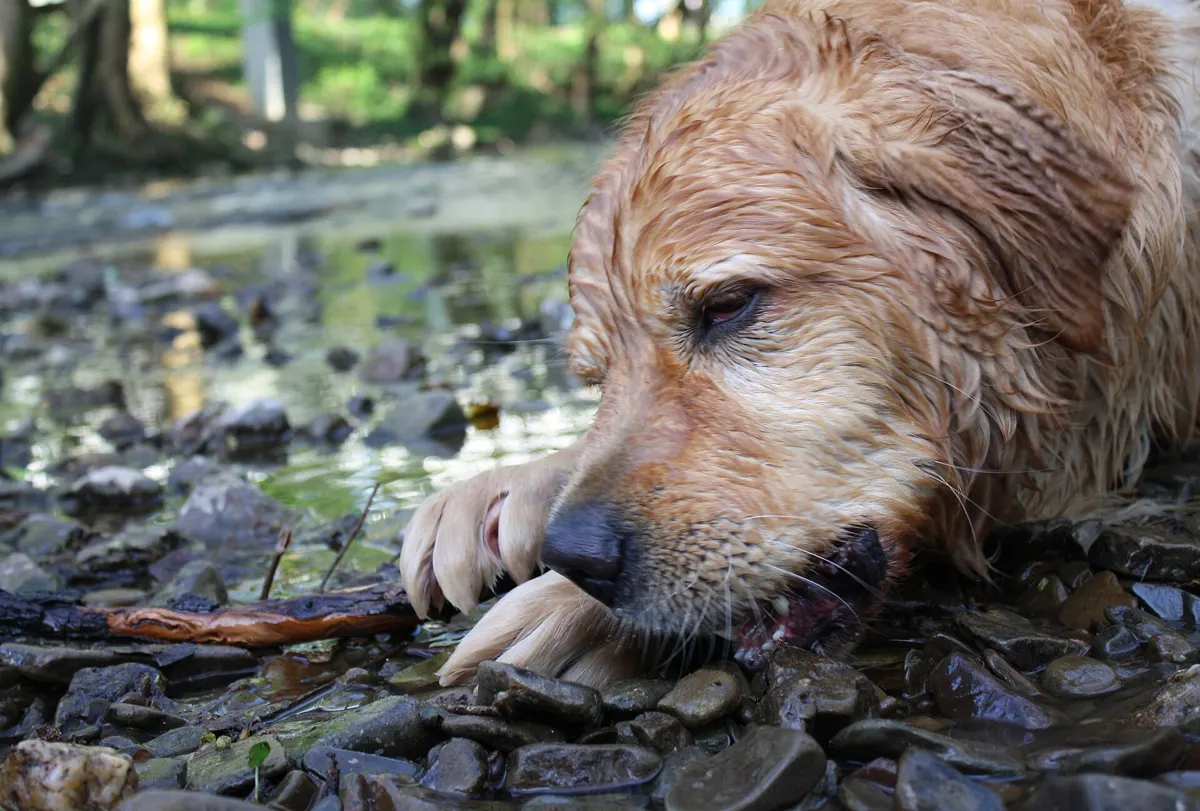
Photo: User:Jo!Hannes via Wikimedia Commons, CC BY-SA 4.0
🐾 Getting ready for a puppy? Grab the free Golden Retriever Puppy Checklist (PDF) — no email required.
A golden retriever’s coat is what most of us fell in love with first: the glossy feathering, the warm color, the way it catches the light on a walk. It’s also a lot of coat. Without regular care, that beautiful double coat can mat behind the ears, trap burrs and mud and leave your dog itchy and uncomfortable.
Here’s the good news: you don’t need to be a professional groomer. This guide explains a simple, realistic golden retriever grooming routine you can do at home, with advice from the American Kennel Club, PetMD and VCA Animal Hospitals.
Understand the coat first
Goldens have what’s called a double coat. The AKC describes a “thick, water-repellant double coat” that sheds moderately all year and heavily once or twice a year. Underneath is a soft, dense undercoat that insulates; on top is a longer layer of guard hair that repels water and dirt. Feathering, the longer hair on the chest, legs, belly and tail, is where tangles like to form.
PetMD points out that goldens “require a lot of grooming,” either at home or from a groomer, to keep the coat healthy, and that they tend to develop matted hair behind their ears and on their hind limbs. VCA adds that neutered and spayed goldens tend to have longer coats.
If you want to understand shedding in detail, read our golden retriever shedding guide. This guide is about the hands-on routine.
Your grooming schedule at a glance
| Task | How often |
|---|---|
| Brush the coat | At least 1 to 2 times a week; daily during heavy shedding |
| Bath | About once a month, or when dirty |
| Check and clean ears | Check weekly; clean as your vet advises, and after swimming or baths |
| Trim nails | Regularly (breeders quoted by the AKC trim weekly) |
| Brush teeth / dental care | As directed by your vet (daily brushing is ideal) |
| Trim feathering and paw hair | As needed, every few weeks |
| Full-body check for lumps, ticks, sores | Weekly during brushing |
Think of it as 15 minutes here and there, not a big weekend project.
Step 1: Gather your tools
Here’s a basic kit:
- Pin brush: the AKC’s golden experts say a pin brush is the right tool for heavy shedding and for back-brushing the whole coat.
- Slicker brush: removes loose hair and small tangles from the dense coat.
- Steel comb: to check the work and comb feathering behind the ears, chest, legs and tail.
- Undercoat rake or de-shedding tool: for seasonal blowouts. Use gentle pressure and follow the direction of hair growth.
- Mat splitter (optional): for small mats, used carefully.
- Dog shampoo and conditioner: made for dogs, not people.
- Nail clippers or a grinder.
- Ear cleaner approved by your vet.
- Dog toothbrush and toothpaste.
- Towels, plus a dog-safe dryer if you have one.
Skip the plain bristle brush for the coat. According to Nancy Talbott of the Golden Retriever Club of America, quoted in the AKC article, a bristle brush “won’t get through the thick Golden coat.”
Step 2: Brush the right way
Brushing is the foundation of coat care. It removes dead hair, spreads natural oils, prevents mats and lets you find problems early.
The AKC’s step-by-step advice from golden experts:
- Start by back-brushing the entire body with the pin brush against the direction of growth to loosen dead undercoat and collect debris like twigs or foxtails.
- Then brush the coat in the direction it grows.
- Use the comb on the feathering behind the ears, on the chest, legs and tail.
- If the coat is tangled, spray lightly with water or a coat conditioner first. For a smooth coat, it’s fine to brush dry.
- Always brush before bathing. Water tightens mats, so remove them first.
Work in sections, be gentle around the armpits, belly and behind the ears (the spots where goldens mat most), and give plenty of praise and treats. Keep the sessions short and positive, especially with puppies.
The shaving question
Please don’t shave your golden. The AKC explains that double-coated dogs like goldens have an insulating undercoat that “helps keep them warm in cold weather and cool in hot weather,” and the outer coat protects against sunburn and insect bites. According to the AKC’s chief veterinary officer, shaving takes away that insulation, makes a dog “susceptible to heat stroke,” and can result in improper hair growth. When a double coat is shaved to the skin, the undercoat may grow back quickly and crowd out the guard hairs, which can change the texture and color and leave the coat patchy. It does not stop shedding.
Instead of shaving: brush, keep the paws trimmed, give cool baths and provide shade and water.
Step 3: Bath time
How often to bathe is a common debate. The AKC says “Golden home companions benefit from a monthly soaking.” A groomer quoted separately by the AKC says medium-to-large coated dogs may need a bath anywhere from weekly to every four to six weeks as long as the coat is properly maintained in between. Another expert in that article warns that over-bathing thick-coated breeds like goldens “could strip too much oil from the skin.”
A reasonable starting point is about once a month, or whenever your dog gets muddy or smelly. Dog groomer Jorge Bendersky, quoted in that AKC article, puts the rule simply: wash dogs “when they are no longer huggable.”
How to bathe, per the AKC:
- Brush out the coat first.
- Wet the dog all the way down to the skin before applying shampoo. This is key with a dense double coat.
- Use a canine-quality shampoo, then a conditioner. The golden experts say the conditioner reduces static and keeps hair from sticking out in all directions.
- Rinse very thoroughly. Leftover shampoo irritates skin.
- Towel dry, then let your dog run around for a few minutes. If you use a dryer, use a canine dryer, which is cooler than a human one, and blow with the air against the direction of hair growth, then brush it the other way.
Dry the coat thoroughly, especially if your golden swims. A damp undercoat can cause skin irritation. PetMD notes that goldens can have sensitive skin and are prone to atopy (environmental allergies), and recommends regular baths with a gentle, hypoallergenic shampoo to help reduce exposure to allergens. Ask your vet which shampoo is right if your dog is itchy.
Step 4: Ears
Goldens have floppy ears that hold moisture, which can lead to ear infections, especially in dogs that love swimming. PetMD recommends cleaning the ears with a product containing a drying agent, about every two to three weeks for maintenance and after swimming or bathing, and asking your veterinarian how often is right for your dog.
- Check ears weekly. Healthy ears are pale pink with little odor.
- Redness, a bad smell, discharge, head-shaking or scratching are signs to call the vet.
- Never push cotton swabs deep into the ear canal.
- Trim hair around the ear tips if it tangles, or have a groomer do it.
Step 5: Nails and paws
Short nails keep the feet comfortable and healthy. Breeders quoted by the AKC trim their dogs’ nails weekly and call keeping them short “very important.” If you can hear the clicking on hard floors, they’re probably too long.
- Introduce the clippers or grinder gradually with treats, especially to puppies.
- Trim a little at a time, and ask your vet or groomer to show you where the quick is (the blood supply inside the nail).
- Keep styptic powder on hand.
Trimming the hair between toes and around the paws, as the AKC suggests, cuts down on mud, burrs and tangles. The AKC also notes that a dog’s paw pads have sweat glands, so keeping the hair trimmed can help with cooling.
Step 6: Teeth
Dental health matters for the whole body. The AKC breeders recommend deciding early how you’ll handle your puppy’s dental care, such as brushing or appropriate chews. Many vets recommend daily brushing with a dog toothpaste (never human toothpaste, which can contain xylitol, a sweetener that’s toxic to dogs; see our food guide). Ask your vet about professional cleanings.
Step 7: Trim, tidy and check
The AKC says that trimming excess hair around the ears, feet, underline and tail reduces tangles, burrs and the amount of dirt a golden carries. You don’t need to sculpt a show coat. A light tidy of stray hair is plenty. Use blunt-tip scissors and go slowly, or ask a groomer.
Every grooming session is also a health check. Run your hands over the whole dog and look for:
- New lumps or bumps (always mention them to your vet; see our guide to golden retriever cancer)
- Ticks, fleas or scabs
- Red, moist or smelly patches of skin (“hot spots”)
- Sore spots, cuts or foxtails between the toes
- Changes in weight or body shape
The AKC points out that frequent grooming helps you “familiarize yourself with the dog’s body,” so you can spot bumps, sores, ticks and injuries early.
Grooming a puppy
Start early. The AKC breeders say handling your puppy’s ears, mouth, feet and tail gently from the beginning creates a comfort zone for life. Introduce the brush, a bath and the nail trimmer in tiny, treat-filled sessions. Puppies don’t have a full coat yet, but this is the time to build the habits.
When to see a groomer
Home grooming works for most goldens, but a professional can help with:
- A deep de-shedding during spring and fall blowouts
- Dogs with severe matting (never try to cut out big mats yourself)
- Nail trims if you’re nervous
- Senior dogs who find it hard to stand for long
Look for a groomer who is experienced with double-coated breeds and who won’t shave the coat unless your vet recommends it for medical reasons.
The takeaway
Great golden retriever grooming boils down to a few habits: brush with the right tools, bathe monthly, keep ears, nails and teeth in check, and never shave the coat. Make it relaxed and rewarding, and it becomes quality time. For more, see our guides on golden retriever shedding and puppy training.
Frequently asked questions
How often should I groom my golden retriever?
Plan to brush at least once or twice a week year-round, and daily during heavy shedding, according to PetMD and breed experts quoted by the AKC. Bathing about once a month is a good baseline for a home companion golden, and nails and ears need regular attention too.
How often should I bathe a golden retriever?
The AKC says home-companion goldens benefit from a monthly soaking, and a groomer quoted by the AKC suggests that medium-to-large coated dogs can need a bath from weekly to every four to six weeks as long as the coat is well maintained between baths. Over-bathing can strip natural oils, so don't overdo it.
What brush is best for a golden retriever?
A pin brush is the workhorse, according to breed experts quoted by the AKC. A plain bristle brush won't get through the coat. Add a slicker brush for tangles, a steel comb for feathering, and an undercoat rake or de-shedding tool for seasonal blowouts.
Should I shave my golden retriever for summer?
No. The AKC advises against shaving double-coated dogs like goldens, because the coat insulates against both heat and cold and protects against sunburn. Shaving can also cause patchy regrowth and doesn't reduce shedding.
How do I keep my golden's ears healthy?
PetMD suggests cleaning goldens' ears with a vet-approved product that contains a drying agent about every two to three weeks, and after swimming or bathing, to help prevent infections. Ask your vet how often is right for your dog, and call them for redness, odor or head shaking.
Do I need a professional groomer for a golden retriever?
Not necessarily. Many owners do the basics at home, and the AKC notes that you can decide whether to groom yourself or have a professional do the trimming. A groomer can be a great help for a deep de-shed, nail trims or a dog who doesn't enjoy the process.
A quick note: this guide is general information from published sources, written by dog lovers, not a veterinarian. Your own vet knows your dog's history, so check with them before changing food, exercise or treatment.
Sources
- AKC: How to Groom a Golden Retriever
- AKC: How Often Should You Wash Your Dog?
- AKC: Is It OK to Shave Your Dog's Coat in Summer?
- AKC: Dog Shedding, What to Expect and How to Manage It
- AKC: Golden Retriever Puppy Training Timeline (grooming and care)
- PetMD: Golden Retriever Dog Breed Health and Care
- VCA Animal Hospitals: Golden Retriever
Keep reading

Best Brush for Golden Retrievers: Slicker, Pin, Rake and Comb Compared
How to choose the best brush for a golden retriever: slicker vs. pin vs. undercoat rake vs. comb, what each does, how to brush step by step and what to look for before you buy.
How Often Should You Bathe a Golden Retriever? Schedule, Tips and Mistakes to Avoid
How often should you bathe a golden retriever? A practical schedule for puppies and adults, factors that change it, how to bathe and dry a double coat and mistakes to avoid.
Should You Shave a Golden Retriever in Summer? Why Vets and Breeders Say No
Should you shave a golden retriever? Why a double coat protects against heat and sun, what can go wrong with shaving, the rare medical exceptions and safer ways to keep your golden cool.


How to Trim a Golden Retriever's Nails: Step-by-Step, Tools and What to Do If You Cut the Quick
How to trim a golden retriever's nails safely: clippers vs. grinders, how to find the quick, a step-by-step method, how often to trim and what to do if you cut too short.