Golden Retriever Shedding: What's Normal, When It Peaks and How to Manage It

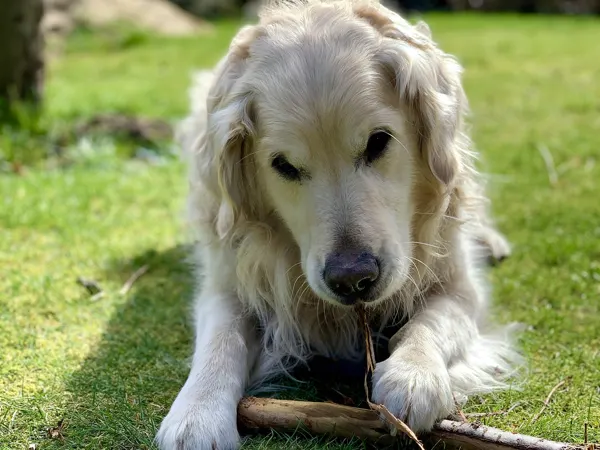
Photo: Johannnes89 via Wikimedia Commons, CC BY-SA 4.0
🐾 Getting ready for a puppy? Grab the free Golden Retriever Puppy Checklist (PDF) — no email required.
If you own a golden retriever, you know the saying: goldens come with a free lint roller you’ll never stop using. Golden retriever shedding is the number one complaint owners share, and it’s also one of the most searched questions about the breed. The good news is that shedding is completely natural, it follows predictable patterns, and with the right routine you can keep it from taking over your home.
This guide explains why goldens shed, when to expect the heaviest shedding, which tools actually work, and how to tell normal shedding from a problem that deserves a call to your vet.
Do golden retrievers shed a lot?
Yes, and there is no sugar-coating it. According to the American Kennel Club, the golden’s thick, water-repellent double coat “sheds moderately throughout the year and heavily once or twice a year.” PetMD agrees: because of that double coat, Goldens “shed a lot,” year-round. VCA Animal Hospitals rates the breed’s shedding as average to above average.
That double coat is the reason. A golden has a dense, soft undercoat close to the skin that insulates, and a longer outer coat of guard hairs that repels water and gives the dog its color. Shedding is how the dog gets rid of old or damaged hair and adjusts its coat for the weather. Golden retrievers were bred to work in cold water and rough cover, and the coat does that job beautifully. The price is a lot of loose hair.
If you are comparing breeds, you might be interested to know that shorter coats don’t solve the problem. The AKC quotes a breed expert who has owned both retrievers: “Both breeds shed all year, and profusely in the springtime! The shorter coat of the Labrador is not a non-shedding coat.” (More in our golden retriever vs Labrador guide.)
When do golden retrievers shed the most?
You can expect two big shedding seasons. The AKC explains that for dogs that shed seasonally, the heaviest shedding generally occurs in spring and fall:
- Spring: the dog loses its heavier winter coat to stay cool as temperatures rise.
- Fall: the dog sheds lighter hair to make room for thicker winter insulation.
The AKC adds that shedding is mainly triggered by changes in daylight and temperature, which is why indoor dogs that live under artificial light and steady temperatures may shed lightly all year long and then “blow coat” less dramatically. A heavy shed usually lasts a few weeks to a couple of months, and a dog can take several weeks to fully shed its winter coat.
Here is what many owners notice during a coat blow: tufts of pale undercoat that come out in clumps when you brush, hair that seems to appear on every surface, and sometimes a scruffy look as the old coat lets go. This is normal. If your golden is shedding heavily in an unexpected season, don’t panic. Indoor heating, travel to a different climate or a change in routine can all shift the timing.
One more fact worth knowing: VCA notes that neutered or spayed goldens tend to have longer coats, which can mean more hair to shed and more grooming to do.
How to manage golden retriever shedding
You can’t stop a golden from shedding, but you can collect the hair before it lands on your couch. Here is what works best.
Brush on a schedule
Brushing is the single most effective thing you can do. Nancy Talbott, a longtime Golden Retriever Club of America educator quoted by the AKC, recommends:
- Heavy shedding: brush with a pin brush once a day to remove dead hair before it ends up around the house.
- Regular shedding: brush once a week, and skip the plain bristle brush, which “won’t get through the thick Golden coat.”
PetMD recommends brushing at least once or twice a week to reduce shedding and prevent mats, and VCA says twice a week is adequate, with more brushing during shedding seasons. A good rule: the heavier the shed, the more often you brush.
Use the right tools
The AKC suggests slicker brushes for dense coats and, during heavy shedding, a coat rake or de-shedding tool to pull out loose undercoat. For golden retrievers, a simple kit works well:
- Pin brush: the all-purpose workhorse, good for the outer coat.
- Slicker brush: removes loose hair and tangles from the dense coat.
- Undercoat rake or de-shedding tool: for seasonal blowouts. Use gentle pressure, work in the direction the hair grows, and don’t dig at the skin.
- Steel comb: for the feathering behind the ears, chest, legs and tail, where tangles form.
Goldens tend to mat behind the ears and on the hind legs, according to PetMD, so pay extra attention to those spots. If the coat is tangled, a light spritz of water or a coat conditioner can make combing easier, according to the breed experts the AKC consulted. Our full golden retriever grooming guide walks through the whole routine.
Bathe, but not too often
A bath followed by thorough drying can loosen a lot of dead undercoat. But the AKC warns that over-bathing double-coated breeds like goldens “could strip too much oil from the skin and disrupt” the coat’s natural process. Many groomers suggest a bath roughly every four to six weeks for medium-to-large coated dogs, as long as the coat is properly brushed in between. Always brush before bathing, use a dog shampoo (a shedding-control product is fine), and rinse thoroughly.
Never shave a golden
This is the most common mistake owners make in summer. It seems logical that less hair would mean a cooler, tidier dog, but it doesn’t work that way. The AKC’s chief veterinary officer says shaving a double coat “eliminates that insulating layer of fur, makes the dog susceptible to heat stroke, and can result in improper hair growth and the possibility of follicle damage.”
Shaving also won’t stop shedding. In fact, when a double coat is shaved to the skin, the undercoat can grow back faster and crowd out the slower-growing guard hairs, changing the color and texture and leaving the coat patchy. The outer coat also protects against sunburn and insect bites.
A better way to keep your golden cool: brush regularly to remove dead undercoat and let air circulate, keep paw hair trimmed, and always provide shade, fresh water and exercise during the cooler parts of the day.
Feed a complete diet
A healthy coat starts from the inside. The best-supported approach is a complete and balanced diet that matches your dog’s life stage (see our guide to feeding a golden retriever). If your dog has a dull coat or dry skin, ask your vet before adding supplements. They can check whether something else is going on.
Keep your home manageable
A few practical ideas from experienced golden owners:
- Wash dog bedding and throws weekly during shedding season.
- Use washable slipcovers or a designated blanket on the couch.
- Vacuum with a tool made for pet hair, and vacuum more often in spring and fall.
- Keep a lint roller in the car and by the front door.
- Brush your dog outside, on a grooming table or on a washable towel, so the hair doesn’t land on your floors.
When shedding is a problem
Normal shedding is spread evenly across the body and leaves a healthy coat and skin. The AKC advises seeing your vet if you notice:
- Bald patches or thinning fur
- Red, irritated, flaky or smelly skin
- A sudden, significant increase in hair loss
- Constant scratching, chewing or licking
According to the AKC, conditions such as hypothyroidism, congenital coat disorders and allergies can all affect skin and coat health. PetMD adds that goldens are prone to atopy (environmental allergies), which often shows up as itching, chewing and skin trouble, and recommends talking to your vet if you notice an increase in scratching, chewing or licking. Hot spots, which are red, moist, painful patches, can develop quickly in thick coats, so don’t wait if you see one.
The bottom line
A golden retriever sheds moderately all year and heavily once or twice a year, and nothing you do will change that. What you can change is how much hair ends up in your home. Brush on a schedule (weekly normally, daily during heavy shedding), use the right tools, bathe about once a month, don’t shave, and keep an eye on the skin. And accept the gift of a little golden glitter on everything you own. It means your dog is healthy, warm and yours.
Frequently asked questions
Do golden retrievers shed a lot?
Yes. The AKC says the golden's thick, water-repellent double coat sheds moderately all year and heavily once or twice a year. PetMD puts it simply: they shed a lot, and the shedding is year-round.
When do golden retrievers shed the most?
For dogs that shed seasonally, the heaviest shedding usually comes in spring, when the winter coat goes, and in fall, as the coat changes for colder weather. The AKC notes that changes in daylight and temperature are the main triggers, and a heavy shed can last several weeks.
How often should I brush my golden retriever to reduce shedding?
Breed experts quoted by the AKC suggest brushing about once a week during regular shedding and daily with a pin brush during heavy shedding. PetMD recommends at least once or twice a week year-round. When in doubt, more often is better.
Should I shave my golden retriever in summer?
No. The AKC's chief veterinary officer explains that shaving a double coat removes the insulating layer, raises the risk of heat stroke and sunburn, and can leave the coat patchy or changed in texture when it grows back. Shaving does not stop shedding.
Does bathing a golden retriever help with shedding?
A bath can help loosen dead hair, especially with a thorough brushing before and after. But too many baths can strip natural oils from the skin and coat, so aim for roughly monthly baths unless your dog is dirty, and use a product made for dogs.
When is shedding a sign of a health problem?
Call your vet if you see bald patches, red or irritated skin, a sudden increase in hair loss, or constant scratching and licking. The AKC lists hypothyroidism and allergies among the conditions that can affect the coat, and PetMD notes that goldens are prone to environmental allergies.
A quick note: this guide is general information from published sources, written by dog lovers, not a veterinarian. Your own vet knows your dog's history, so check with them before changing food, exercise or treatment.
Sources
- AKC: How to Groom a Golden Retriever
- AKC: Dog Shedding, What to Expect and How to Manage It
- AKC: Is It OK to Shave Your Dog's Coat in Summer?
- AKC: How Often Should You Wash Your Dog?
- AKC: Is the Golden Retriever the Right Dog Breed for You?
- PetMD: Golden Retriever Dog Breed Health and Care
- VCA Animal Hospitals: Golden Retriever
Keep reading

Best Brush for Golden Retrievers: Slicker, Pin, Rake and Comb Compared
How to choose the best brush for a golden retriever: slicker vs. pin vs. undercoat rake vs. comb, what each does, how to brush step by step and what to look for before you buy.
Undercoat Rake vs. Slicker Brush vs. Deshedding Tool: Which Does a Golden Retriever Need?
Undercoat rake, slicker brush or deshedding tool? How each works on a golden retriever's double coat, when to use which, how to avoid damaging the coat and what to buy.
Should You Shave a Golden Retriever in Summer? Why Vets and Breeders Say No
Should you shave a golden retriever? Why a double coat protects against heat and sun, what can go wrong with shaving, the rare medical exceptions and safer ways to keep your golden cool.

Golden Retriever Puppy Coat Change: When the Fluffy Puppy Coat Becomes the Adult Coat
When does a golden retriever puppy lose its fluffy coat? The coat change timeline from 8 weeks to 2 years, the awkward phase, shedding and grooming tips for each stage.