Best Ear Cleaner for Golden Retrievers: Vet-Trusted Picks and Safe Cleaning Guide
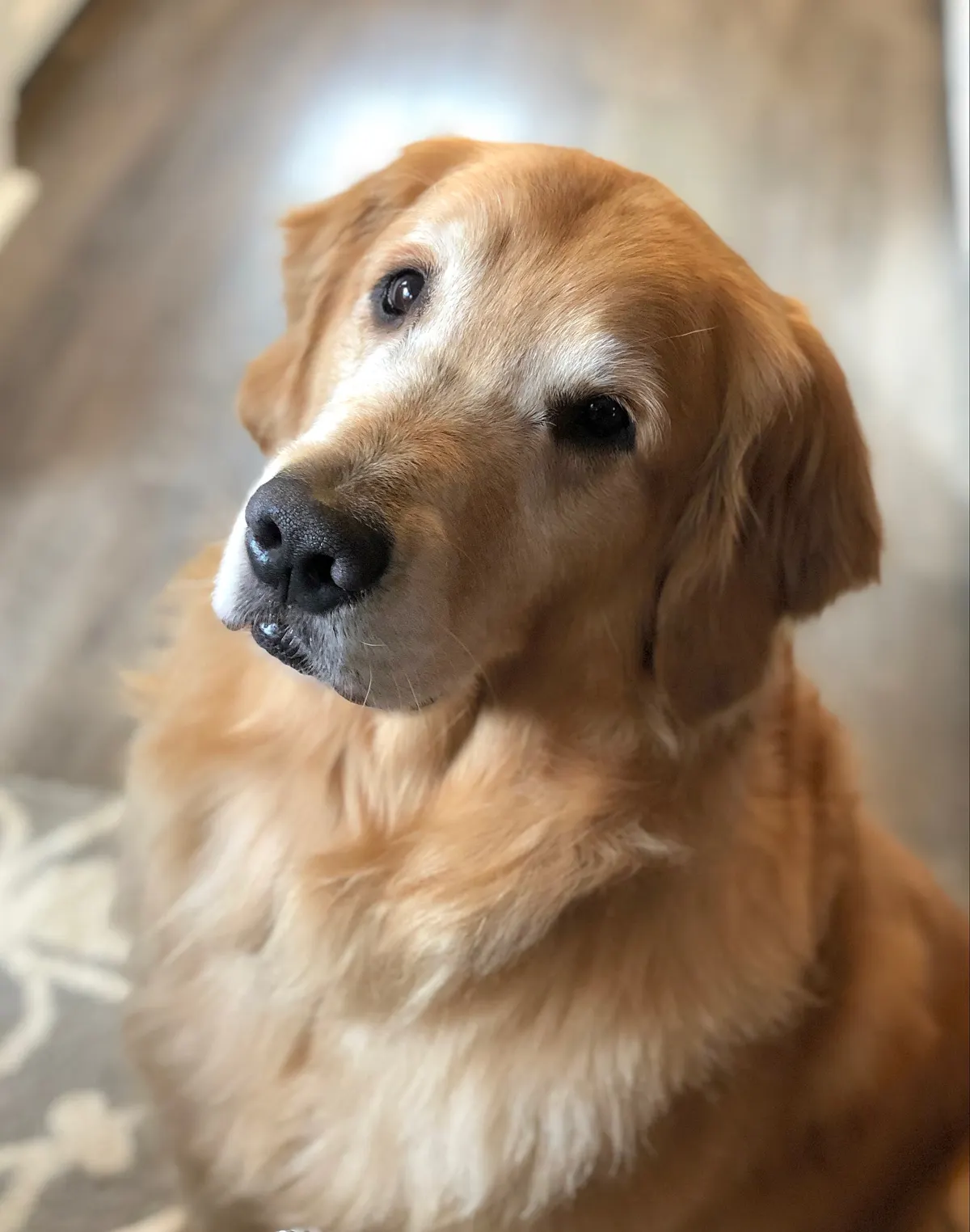
Photo: Pete Markham from Loretto, USA via Wikimedia Commons, CC BY-SA 2.0
🐾 Getting ready for a puppy? Grab the free Golden Retriever Puppy Checklist (PDF) — no email required.
Quick answer: for most golden retrievers with healthy, non-irritated ears, a gentle neutral-pH liquid cleanser like Virbac EPIOTIC Advanced Ear Cleanser is a sensible starting point for routine maintenance and wax removal. If your golden swims often and has healthy ear canals, a drying wash such as Vetoquinol Ear Cleansing Solution or Dechra MalAcetic Otic Cleanser helps deal with trapped moisture, while medicated flushes such as Dechra TrizUltra+Keto are best used under your vet’s direction for yeast- and allergy-prone dogs. If your golden’s ears are red, painful, swollen, smelly or producing discharge, or you suspect a ruptured eardrum, don’t clean them: book a vet exam first. An ear cleaner cannot cure an active infection, and putting liquid into an ear with a damaged eardrum can cause serious harm.
Golden retrievers combine heavy drop ear flaps, thick feathering behind the ears and a love of water, and the Merck Veterinary Manual names pendulous ear flaps, moisture from swimming and allergies (it gives retrievers as an example) among the factors behind outer-ear inflammation. Choosing the right formula comes down to matching the bottle’s ingredients to your dog’s actual ear, not grabbing the first scented wash on the shelf.
We haven’t tested these cleaners ourselves. Ingredients and sizes come from the manufacturers’ pages and labels, and we checked each Amazon listing on November 25, 2026. This guide is general education, not veterinary advice; ask your vet which cleaner and routine suit your dog.
Quick comparison: ear cleaners for golden retrievers
| Product | Format and sizes (maker) | Key ingredients (per manufacturer) | Maker’s stated use |
|---|---|---|---|
| Virbac EPIOTIC Advanced Ear Cleanser | Liquid (4 oz, 8 oz) | 0.2% salicylic acid, 0.1% chloroxylenol, 0.5% EDTA, docusate sodium (DSS), Glycotechnology sugars; neutral pH | Routine ear cleansing in dogs, cats, puppies and kittens; before ear treatment products |
| Vetoquinol Ear Cleansing Solution | Liquid (4 oz, 8 oz, 16 oz, 1 gallon) | SD alcohol 40-2 (10%), lactic acid (1.76%), benzoic acid (0.15%), salicylic acid (0.1%), aloe vera | Cleans, dries and deodorizes; after baths and swimming |
| Dechra MalAcetic Otic Cleanser | Liquid (4 oz, 8 oz, 16 oz) | 2% acetic acid, 2% boric acid | Ear cleaning and drying agent |
| Vetnique OticBliss Advanced Cleaning Ear Wipes XL | Wipes (XL 60 ct; regular 100 ct) | Salicylic acid, chloroxylenol, docusate sodium, aloe vera leaf juice, vitamin E | Routine cleaning around the ears; dogs 12 weeks and older |
Always check the current ingredient panel on your bottle, and confirm with your veterinarian before introducing a medicated or drying ear cleaner, especially if your golden has a history of ear disease.
The best ear cleaners for golden retrievers, by use
1. Best overall for routine maintenance: Virbac EPIOTIC Advanced Ear Cleanser
Best for: healthy adult goldens and puppies needing regular wax removal without stinging.
Virbac EPIOTIC Advanced Ear Cleanser is a neutral-pH (pH 7) liquid cleanser that Virbac recommends for the routine cleansing of ears in dogs, cats, puppies and kittens. According to Virbac, it contains 0.2% salicylic acid, 0.1% chloroxylenol, 0.5% EDTA and docusate sodium (DSS), which help remove cellular debris and excess wax and provide a drying effect. It also uses Virbac’s Glycotechnology, a blend of three sugars (D-galactose, D-mannose and L-rhamnose) that Virbac says limits the ability of microorganisms to stick to the skin.
- Why it fits golden retrievers: it clears waxy buildup without the sting Virbac attributes to more acidic cleansers, which makes it suited to repeat maintenance, and Virbac recommends it before applying ear treatment products when your vet asks you to clean first.
- Keep in mind: the formula contains fragrance (Virbac describes a mild citrus aroma) and FD&C Blue #1 dye. The Merck Veterinary Manual says detergents and DSS should not be used if the eardrum is ruptured, so don’t use it in an ear your vet hasn’t checked if you suspect eardrum damage.
2. Best for healthy swimmers: Vetoquinol Ear Cleansing Solution
Best for: water-loving golden retrievers with healthy, uninflamed ears that need drying after swims and baths.
Vetoquinol Ear Cleansing Solution is formulated to deodorize, gently clean and dry the external ear canal, and its directions say to always apply after swimming. Per the DailyMed label, its active ingredients are SD alcohol 40-2 (10%), lactic acid (1.76%), benzoic acid (0.15%) and salicylic acid (0.1%) in a fragrant base with aloe vera gel; the inactive ingredient list also includes glycerin and docusate sodium.
- Why it fits golden retrievers: if your golden spends weekends in pools, lakes or the ocean, water trapped under floppy ear flaps can soften (macerate) the ear canal lining, which the Merck Veterinary Manual says impairs the skin barrier and predisposes it to infection. Merck notes that astringents can help in dogs that swim frequently. Pair this with thorough towel drying as outlined in our golden retriever swimming safety guide.
- Keep in mind: this solution contains 10% denatured alcohol, and VCA Animal Hospitals notes that cleaners with alcohol can irritate the ear canal, especially if it is inflamed or ulcerated. Use it only for healthy ears as a preventive rinse, never on red, painful or infected ears. Vetoquinol’s label says to stop and see your vet if redness or irritation develops, and not to use it for more than 7 consecutive days without consulting a veterinarian.
3. Best drying wash for moisture-prone ears: Dechra MalAcetic Otic Cleanser
Best for: goldens prone to damp, waxy ears that benefit from a drying, acidic maintenance wash.
Dechra MalAcetic Otic Cleanser pairs 2% acetic acid and 2% boric acid. Per Dechra’s veterinary product detailer, it is made for ear cleaning and as a drying agent, with cleansing, drying and antimicrobial action, and Dechra’s otic chart lists it as antimicrobial and antifungal and as an option for greasy, moist or waxy ears.
- Why it fits golden retrievers: goldens whose ears stay damp after swims or humid weather may benefit from a drying wash, and the Merck Veterinary Manual notes that preventive otic astringents may decrease bacterial or fungal infections in moist ear canals.
- Keep in mind: the AKC warns that cleaning too often can irritate the skin. Ask your veterinarian how often to use a drying formula as part of a preventive routine.
4. Best wipes for outer-ear touch-ups: Vetnique OticBliss Advanced Cleaning Ear Wipes XL
Best for: wiping dirt and surface wax off the ear flap (pinna) between cleanings, or helping liquid-shy goldens get used to ear handling.
Vetnique OticBliss Advanced Cleaning Ear Wipes come in an extra-large, dual-sided size that Vetnique recommends for pets with longer, floppier or larger ears. They contain salicylic acid (drying), chloroxylenol (odor control), docusate sodium (wax softening), aloe vera leaf juice, glycerin and tocopherol (vitamin E), plus fragrance and blue dye. Vetnique says they are safe for dogs 12 weeks and older. (If you prefer an acetic/boric acid wipe, Dechra MalAcetic Wet Wipes are another veterinary option.)
- Why it fits golden retrievers: the inside of a golden’s long ear flap picks up dirt and debris. Pre-moistened wipes make quick touch-ups easy and help puppies get used to having their ears handled.
- Keep in mind: wipes cannot clean the ear canal. A dog’s ear canal runs down and then turns horizontally toward the eardrum, and VCA explains that material trapped deep in the horizontal canal is hard to expel without a proper cleaning. Use wipes only on surfaces you can see.
Medicated flushes to discuss with your vet
Some over-the-counter cleaners contain antifungal medicine. They aren’t casual everyday grooming rinses for a dog with no ear history, and we don’t link them as picks. Ask your vet whether yeast is actually the problem (usually confirmed by looking at an ear sample under a microscope) and whether a flush is compatible with any prescribed drops.
- Dechra TrizUltra+Keto Flush: a non-prescription, non-stinging ear cleanser with 0.15% ketoconazole USP (an antifungal) and USP Tris-EDTA (tromethamine and disodium EDTA), sold in 4 oz and 12 oz bottles. Dechra says Tris-EDTA chelates minerals in bacterial cell walls, making bacteria more susceptible to topical products, and acts as an antibiofilm agent, and that the flush is for acute or long-term use in dogs with conditions that respond to ketoconazole and Tris-EDTA. Ear flare-ups in goldens are often tied to allergies (see our guide to golden retriever allergies and itchy skin).
- Veterinary Formula Clinical Care Ear Therapy: a liquid with lactic acid (0.75%), benzoic acid (0.25%), salicylic acid (0.25%) and ketoconazole (0.15%) in a base of purified water, propylene glycol, glycerin, cocamidopropyl betaine, polysorbate-20, tetrasodium EDTA and a preservative; the maker’s ingredient list names no fragrance or dye. Like TrizUltra+Keto, it contains ketoconazole, so don’t rely on it to self-treat an active, painful ear infection without a veterinary exam first.
How to choose the right ear cleaner for a golden retriever’s floppy ears
Golden retrievers don’t all need the same bottle. A senior couch-loving golden with clean, pink ears has different needs from a two-year-old dock diver or an allergy-prone dog. Filter your choice by four factors.
1. Liquid cleaner vs. ear wipes
Because a dog’s ear canal drops vertically and then turns horizontally toward the eardrum, a liquid solution massaged in at the base of the ear is what loosens wax and debris deeper in the canal. Keep wipes for the outer ear flap and visible folds.
2. Routine maintenance vs. swimmer drying vs. medicated flushes
- Routine healthy ears: choose a gentle, neutral-pH cleaner with a wax-softening ingredient (such as docusate sodium), like Virbac EPIOTIC Advanced.
- Frequent swimmers (healthy ears): look for drying agents (astringents) such as lactic acid, salicylic acid, acetic/boric acid or denatured alcohol, like Vetoquinol Ear Cleansing Solution or Dechra MalAcetic Otic Cleanser, to help prevent maceration from trapped water. The Merck Veterinary Manual suggests using drying agents as your vet recommends.
- Allergy-prone or recurrent yeast ears: work with your vet to choose an antimicrobial or antifungal flush (such as Dechra TrizUltra+Keto or a prescription flush) matched to what your vet sees under the microscope. Merck notes, for example, that a cleaner containing Tris-EDTA is advised when rod-shaped bacteria are found.
- Active infections: over-the-counter cleaners are not a substitute for prescription ear medication. Your vet examines a sample of the discharge under a microscope to see whether yeast, bacteria or mites are present, and most ear drops combine antibiotics, antifungals and anti-inflammatories chosen for your dog.
3. Ingredients to avoid in your golden’s ears
Skip DIY kitchen recipes and harsh human products, even if you see them shared in dog forums:
- Hydrogen peroxide: the AKC says not to use hydrogen peroxide on a dog’s ears because it can irritate healthy skin cells, and extended use could damage the ear. VCA Animal Hospitals also notes that cleaners with hydrogen peroxide or alcohol can irritate the canal.
- Straight rubbing alcohol or vinegar mixtures: VCA notes that alcohol can irritate the ear canal, especially if it is inflamed or ulcerated, and the Merck Veterinary Manual says irritating home remedies such as vinegar dilutions cause swelling of the ear canal lining and more secretions, which predispose to infection.
- Homemade mixes: the AKC notes that some homemade ear-cleaning solutions contain harmful or irritating ingredients and others simply don’t work well. Stick to veterinary-formulated ear products.
4. Don’t forget coat and feathering moisture
Even the best ear cleaner won’t help if damp fur behind your golden’s ears keeps the ear flap wet for hours. After baths and swims, blot the underside of the ear flap and the long feathering behind the ears, then comb out tangles once dry (see our guide to the best brush for golden retrievers). If you use a high-velocity dryer, shield the ear openings and keep strong airflow away from the ears, as covered in our high-velocity dog dryer guide.
When not to clean your golden’s ears (see a vet first)
At-home ear cleaning is a preventive grooming step, not a home treatment for ear disease. The AKC warns that cleaning an already infected ear often causes more harm than good, and VCA says to consult your vet before cleaning if the ears are red, inflamed or painful, because your dog may have an infection or a ruptured eardrum. Do not put ear cleaner into your golden retriever’s ears, and schedule a veterinary appointment, if you notice any of these red flags:
- Pain or sensitivity: flinching, crying, pulling away or guarding the head when you lift the ear flap or touch the base of the ear.
- Strong or foul odor: a yeasty or foul smell coming from the canal (a common culprit covered in why does my golden retriever smell?).
- Abnormal discharge: dark brown or black debris, yellow or green pus-like discharge, or any blood.
- Visible inflammation: red, swollen or scaly skin on the ear flap or around the canal opening.
- Behavioral signs: frequent head shaking, constant ear scratching, rubbing the ear along the floor or furniture.
- Middle- or inner-ear warning signs: a persistent head tilt, loss of balance, circling or flicking eye movements. These need a vet promptly.
Why waiting for a vet exam matters: the Merck Veterinary Manual lists objects stuck in the canal and middle-ear infections among the causes of outer-ear inflammation, and eardrum rupture among the changes that can occur. If the eardrum is ruptured, Merck says detergents and DSS (docusate) should not be used to flush the ear, and many ear medications can cause ototoxic effects (such as decreased hearing, head tilt or vertigo), with greater risk when the eardrum isn’t intact. Only a veterinarian looking down the canal with an otoscope can check whether your golden’s eardrum is intact.
Read our full breakdown of golden retriever ear infections to learn what your vet checks during an ear exam and cytology.
Step by step: how to clean a golden retriever’s ears safely
Choose an easy-to-wipe surface, such as a tiled bathroom, laundry room or patio, because your golden will shake ear cleaner onto nearby walls.
What you need
- A veterinary-formulated liquid ear cleaner
- Plain cotton balls or absorbent gauze squares (never cotton-tipped swabs)
- A clean, dry towel
- Treats
Method 1: standard flush (for most goldens)
- Position your golden calmly: VCA suggests having a large dog sit with their rear end in the corner of a room and one side against the wall, with you on the other side. Offer a treat for sitting still while you lift an ear flap.
- Straighten the ear canal: gently but firmly grasp the tip of the ear flap (pinna) and pull it straight up. This exposes the ear and straightens the canal.
- Fill the canal without touching the tip: squeeze in enough cleaner to fill the ear canal; it’s fine if some spills out. Do not put the bottle tip into the ear canal. If the tip touches your dog’s ear, VCA advises wiping it with a cotton ball soaked in alcohol to avoid spreading bacteria or yeast.
- Massage for about 30 seconds: keep holding the ear flap up with one hand while gently massaging the base of the ear (below the opening) with the other for about 30 seconds. You should hear a soft “squishing” sound as the cleaner breaks up debris.
- Let your golden shake: step back or hold a towel loosely as a splash shield and let your dog shake their head. Shaking moves the remaining solution and debris up to the outer opening of the canal.
- Wipe away visible debris only: lift the ear flap again and use a clean cotton ball or gauze to gently wipe the inner ear flap, visible folds and the outer opening of the canal, going no deeper than the depth of one knuckle, as the AKC advises. Repeat with fresh cotton until it comes away clean.
- Dry the feathering and reward: blot the underside of the ear flap and the feathered hair behind the ears with your towel. Give praise and a treat, then repeat on the other ear with fresh cotton.
Method 2: the soaked cotton ball technique (for liquid-shy goldens)
If your golden dislikes having cleaner squeezed into their ears, the Merck Veterinary Manual describes a gentler alternative:
- Soak a clean cotton ball in your ear cleaner.
- Lift the ear flap and place the soaked cotton ball at the opening of the ear canal, making sure it stays easy to grab and remove.
- Gently massage the base of the ear, then remove the cotton ball.
- Repeat until the cotton comes away clean. Merck notes that blood on the cotton indicates irritation, so stop and call your vet if you see any.
Three golden rules never to break
- Never insert cotton swabs into the ear canal. VCA warns they risk puncturing the eardrum or injuring the canal and can push debris further in.
- Stop immediately if your dog shows pain or if you see blood on the cotton, and call your veterinarian.
- Ask about timing before prescription drops. If your vet asked you to clean before medicated ear drops, VCA suggests asking whether to wait between cleaning and medicating, because some cleansers can deactivate or weaken the medication.
How often should you clean a golden retriever’s ears?
There is no single rigid calendar that fits every golden retriever. The AKC and VCA both advise checking regularly and cleaning when needed, because over-cleaning can irritate the ear canal, and VCA notes that irritation can lead to infection. Some dogs with healthy, clean ears may never need cleaning.
Use these guidelines, then adjust with your veterinarian’s advice:
- Weekly ear check (every golden): lift both ear flaps once a week during your regular brushing session (see our golden retriever grooming routine). The AKC describes a healthy ear as pink, odorless, and not dirty or inflamed; a small amount of wax is normal. If it looks clean and smells neutral, leave it alone.
- Non-swimming goldens with healthy ears: clean when you notice buildup, discharge or a mild odor, as the AKC and VCA suggest, and ask your vet how often is right.
- Frequent swimmers: blot the ear flaps and feathering dry after every swim. Vetoquinol’s label suggests its cleanser after swimming and 1 to 2 times weekly for routine maintenance of healthy ears, or as your veterinarian recommends.
- Bathing days: the AKC and the Merck Veterinary Manual both advise keeping water out of the ear canals during baths (see how often should you bathe a golden retriever?), then towel-dry thoroughly afterward.
- Allergy-prone or infection-prone goldens: follow your vet’s plan. The Merck Veterinary Manual notes that a vet may start with daily cleaning and then reduce to once or twice a week for maintenance.
If you are raising a young puppy, start gentle “look, lift, reward” ear checks right away, before they ever need a cleaning, so ear care stays stress-free for life. You can pair weekly ear checks with your first-year care habits using our free new puppy checklist, and note cleanings, swim days and any flare-up patterns in the Puppy Care Log to share clear timelines with your vet.
Ear cleaner picks for golden retrievers
We describe what to look for in each type of product. Affiliate product links, when present, are marked as sponsored.
Pick 1
Virbac EPIOTIC Advanced Ear Cleanser
Best for: Routine cleaning of healthy ears, including puppies
What to look for:
- Neutral pH (pH 7); Virbac says it doesn't sting
- Salicylic acid, chloroxylenol, EDTA and docusate sodium (DSS)
- Labeled for dogs, cats, puppies and kittens
- Light citrus scent and blue dye; linked listing is the 4 oz bottle
Pick 2
Vetoquinol Ear Cleansing Solution
Best for: Healthy-eared swimmers and after baths
What to look for:
- SD alcohol 40-2 (10%), lactic, benzoic and salicylic acids
- Label: cleans, dries and deodorizes; always apply after swimming
- Contains alcohol: not for red, sore or irritated ears
- Linked listing is the 8 oz bottle
Pick 3
Dechra MalAcetic Otic Cleanser
Best for: Damp, waxy ears that need a drying wash
What to look for:
- 2% acetic acid and 2% boric acid
- Dechra: ear cleaning and drying agent
- Apple fragrance (Amazon listing)
- Linked listing is the 8 fl oz bottle
Pick 4
Vetnique OticBliss Advanced Cleaning Ear Wipes XL
Best for: Wiping the ear flap and folds between cleanings
What to look for:
- Extra-large, dual-sided wipes for long, floppy ears
- Salicylic acid, chloroxylenol, docusate sodium, aloe, vitamin E
- Maker: for dogs 12 weeks and older
- Outer ear only: a wipe can't clean the canal
Prices and availability change, so we do not list them here. Check the retailer's page for current details.
Frequently asked questions
What is the best ear cleaner for a golden retriever who swims a lot?
For a swimmer with healthy, non-inflamed ears, look for a cleaner with drying ingredients, such as Vetoquinol Ear Cleansing Solution (10% SD alcohol 40-2 plus lactic, benzoic and salicylic acids; its label says to always apply after swimming) or Dechra MalAcetic Otic Cleanser (2% acetic acid and 2% boric acid), and ask your vet which suits your dog. Always towel-dry the ear flaps and the feathered fur behind the ears after swimming, and skip alcohol-containing cleaners if the ear looks red or sore.
Can I use hydrogen peroxide or apple cider vinegar to clean my golden retriever's ears?
No. The AKC says not to use hydrogen peroxide in dog ears because it can irritate healthy skin cells, and VCA Animal Hospitals notes that cleaners with hydrogen peroxide or alcohol can irritate the ear canal, especially if it is inflamed. The Merck Veterinary Manual advises avoiding irritating home remedies such as vinegar mixtures, which can worsen swelling and secretions. Use a veterinary-formulated dog ear cleaner.
Are dog ear wipes enough for a golden retriever?
Ear wipes are useful for quick touch-ups on the visible ear flap and folds, and they can help a sensitive dog get used to ear handling. They cannot reach down into the L-shaped ear canal, where wax and trapped water collect. When the canal itself needs cleaning, a liquid cleaner massaged in at the base of the ear does that job.
Can an over-the-counter ear cleaner cure my golden retriever's ear infection?
No. Over-the-counter ear cleaners are for routine hygiene, not for curing active infections. Bacteria, yeast, ear mites and objects stuck in the canal can look alike from the outside, and the Merck Veterinary Manual notes that most prescription ear drops combine antibiotics, antifungals and anti-inflammatories chosen by your vet after an otoscope exam that also checks the eardrum. If you notice redness, odor, discharge, head shaking or pain, see your vet first.
Should I pluck or trim the hair around my golden retriever's ears?
The Merck Veterinary Manual says hair should not routinely be removed from the ear canal if it is not causing a problem, because doing so can trigger an acute inflammatory reaction. Merck adds that clipping hair from the inner side of the ear flap and around the ear opening improves ventilation and lowers humidity in the ears. Ask your vet before removing any hair from the ear canal itself.
Can I use ear cleaner on a golden retriever puppy?
Only if your puppy actually has visible wax or debris, and only with a gentle product labeled for puppies, such as Virbac EPIOTIC Advanced Ear Cleanser (labeled for dogs, cats, puppies and kittens). Vetnique says its OticBliss wipes are for dogs 12 weeks and older. Many healthy puppies just need gentle handling practice and a look at the ear flaps. Ask your vet at a puppy visit before using a medicated or alcohol-containing cleanser.
A quick note: this guide is general information from published sources, written by dog lovers, not a veterinarian. Your own vet knows your dog's history, so check with them before changing food, exercise or treatment.
Sources
- Virbac (veterinary site): EPIOTIC Advanced Ear Cleanser, ingredients and pH
- Virbac: EPIOTIC Advanced Ear Cleanser (pet owner page)
- Vetoquinol USA: Ear Cleansing Solution
- DailyMed (U.S. National Library of Medicine): Vetoquinol Ear Cleansing Solution label
- Dechra Veterinary Products: MalAcetic Otic Cleanser and Wet Wipes detailer (PDF)
- Dechra Veterinary Products: Otic cleansers and flushes overview (PDF)
- Dechra Veterinary Products: TrizUltra+Keto
- Veterinary Formula Clinical Care: Ear Therapy
- Vetnique Labs: OticBliss Advanced Cleaning Ear Wipes XL
- AKC: How to Clean a Dog's Ears Safely
- VCA Animal Hospitals: Ear Cleaning and Administering Ear Medication in Dogs
- Merck Veterinary Manual (pet owner version): Ear Infections and Otitis Externa in Dogs
- Merck Veterinary Manual: Otitis Externa in Animals
Keep reading
Golden Retriever Ear Infections: Signs, Causes, Treatment and Prevention
Why golden retrievers get ear infections, the signs to watch for, what a vet will do, how to clean ears safely and how to reduce the chance they come back.
Golden Retriever Grooming: A Simple Home Routine for Coat, Ears, Nails and Paws
A practical golden retriever grooming guide: the right brushes, bathing, ear and nail care, trimming feathering, and why you should never shave a golden.

Golden Retriever Swimming: How to Teach Your Golden and Keep Them Safe in the Water
Most goldens love the water, but not every golden is born knowing how to swim. Here's how to introduce your dog to water, plus the safety risks to watch for: water intoxication, limber tail and cold water.
How Often Should You Bathe a Golden Retriever? Schedule, Tips and Mistakes to Avoid
How often should you bathe a golden retriever? A practical schedule for puppies and adults, factors that change it, how to bathe and dry a double coat and mistakes to avoid.
Golden Retriever Allergies and Itchy Skin: Causes, Signs and What Your Vet Will Do
Why is your golden retriever itchy? Environmental, food and flea allergies explained, common signs, what the vet workup involves, and what not to do at home.