Best Harness for Golden Retrievers: Fit, Style and No-Pull Features Explained
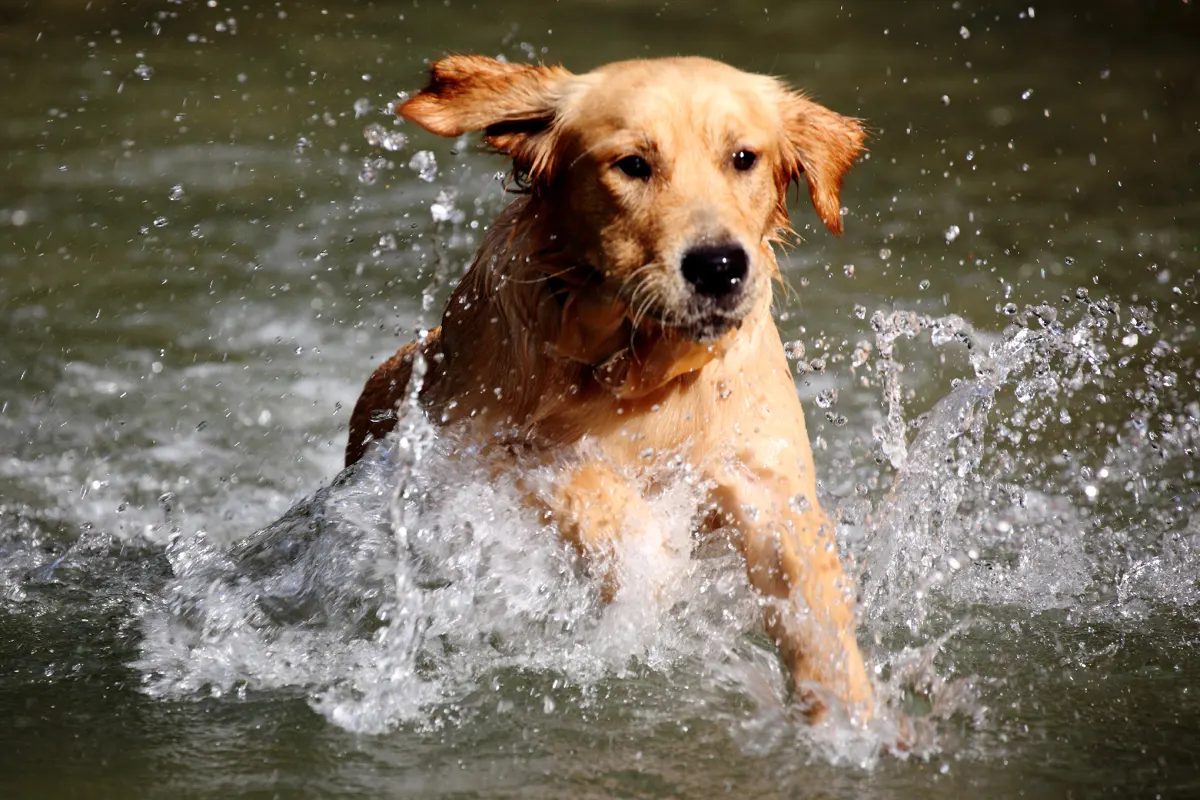
Photo: Franco Vannini via Wikimedia Commons, CC BY 2.0
🐾 Getting ready for a puppy? Grab the free Golden Retriever Puppy Checklist (PDF) — no email required.
A harness spreads the pressure of the leash across the chest instead of the neck, which many owners prefer for strong dogs. Goldens are big and friendly pullers, so harness choice and fit matter. This guide covers the features that actually count.
Why use a harness?
- Less strain on the neck. Pulling on a collar puts pressure on the throat.
- Better control of a strong dog, especially with a front-clip design.
- Safer for escape artists because a well-fitted harness is harder to slip out of than a collar.
- Easier to hold an excited puppy.
A harness is a tool, not a training plan. See our guides on leash pulling and collar vs. harness.
Types of harness
| Type | Leash attaches | Best for | Notes |
|---|---|---|---|
| Back-clip | On the back | Easy walkers, puppies | Comfortable, but can encourage pulling in some dogs |
| Front-clip | At the chest | Pullers | Turns the dog slightly when they pull. Can tangle legs if leash drags |
| Dual-clip | Front and back | Most goldens | Flexible, can use a double-ended leash |
| Step-in | On the back | Small dogs | Rarely used for large dogs |
| Handled / lift harness | Back, with a top handle | Seniors, hiking | Helps you assist a stiff or injured dog |
| Car harness | Seat belt loop | Travel | Look for crash testing. See below |
What to look for
- Shoulder freedom. Choose a Y-shaped chest piece that doesn’t cross the shoulder blades or bind movement. Straps shouldn’t press under the front legs.
- Padding where it rubs. Look for padding on the chest and under the legs to prevent chafing.
- Multiple adjustment points. Four adjustment points help you fit a golden’s deep chest and narrower waist.
- Easy on and off. Goldens are cooperative, but a harness that goes over the head or clips at the sides makes life easier.
- Reflective or bright material for early or late walks.
- Durable hardware. A 70-pound dog can pull hard. Check stitching and D-rings.
- Washable material. Your golden will find the mud.
How to measure and fit
- Measure the chest girth. With a soft tape, measure around the widest part of the chest, just behind the front legs.
- Check the manufacturer’s size chart. Sizing varies. Goldens are often between sizes.
- Adjust so you can fit two fingers under every strap.
- Check the movement. Walk your dog and watch for rubbing, riding up or restricted shoulder movement.
- Recheck often. Puppies can change size every few weeks, and a coat that changes thickness alters the fit.
Harness and training
Humane, reward-based training is recommended by veterinary behavior experts. The AVSAB’s position statement says that reward-based methods are effective and recommends avoiding aversive tools. A harness shouldn’t be used as a shortcut for pain or punishment. Pair it with training: reward a loose leash, stop when the leash tightens, and practice in easy places first.
Car safety
Walking harnesses are not designed to protect a dog in a crash. If you want to restrain your golden with a harness in the car, look for one tested by an independent organization. The Center for Pet Safety is one group that crash-tests pet restraints. Alternatively, use a crash-tested crate, secured in the car. Check the manufacturer’s weight limit.
Puppy tips
- Introduce the harness indoors with treats.
- Keep first walks short and positive.
- Choose a lightweight, adjustable harness and check the fit weekly.
Warning signs
Stop using a harness and check with your vet or a trainer if you see:
- Rubbed or bald patches, redness or sores
- Limping or a changed gait
- Reluctance to move forward
- Difficulty breathing
Related
Harness types to compare
We describe what to look for in each type of product. Specific product links are being added, and every link here will be marked as a sponsored link.
Pick 1
Front-and-back-clip walking harness
Best for: Dogs who pull, or owners who want flexibility
What to look for:
- Y-shaped front that doesn't cross the shoulder
- Padded chest and belly straps
- Four adjustment points
- Reflective trim
Pick 2
Lightweight puppy harness
Best for: Young puppies learning to walk on a leash
What to look for:
- Soft, breathable fabric
- Wide adjustment range for growth
- Quick-release buckles
Pick 3
Crash-tested car harness
Best for: Car travel
What to look for:
- Independent crash test certification
- Connects to the seat belt system
- Padded chest plate
Pick 4
Handled adventure or hiking harness
Best for: Active dogs, older dogs who need a lift
What to look for:
- Sturdy top handle
- Durable stitching
- Chest and belly padding
Prices and availability change, so we do not list them here. Check the retailer's page for current details.
Frequently asked questions
What size harness does a golden retriever need?
Most adult goldens need a large or extra-large harness, but sizing varies a lot between brands. Measure the widest part of the chest behind the front legs and compare with the maker's chart. Check again as puppies grow.
Are no-pull harnesses good for goldens?
They can reduce pulling by changing how the dog feels pressure, but they work best with training. Look for designs that don't restrict shoulder movement.
Front clip or back clip?
A front clip, at the chest, can reduce pulling. A back clip is more comfortable for easy walkers. Some harnesses have both.
Can my puppy wear a harness?
Yes. A lightweight, adjustable harness is a good way to teach leash manners. Check fit often because puppies grow quickly.
Is a harness safe in the car?
Only a harness designed and crash-tested for car use is meant for that. Regular walking harnesses are not built for crashes. Look for independent crash test results.
A quick note: this guide is general information from published sources, written by dog lovers, not a veterinarian. Your own vet knows your dog's history, so check with them before changing food, exercise or treatment.
Sources
Keep reading
Collar or Harness for a Golden Retriever? When to Use Each (and How to Size Them)
Is a collar or harness better for a golden retriever? When to use each, which collar types to consider or avoid, how to measure a golden's neck and chest and what the fit should feel like.
How to Stop a Golden Retriever Pulling on the Leash
Why goldens pull and how to teach loose-leash walking with positive reinforcement. Step-by-step training, gear that helps, common mistakes and a practice plan.

Golden Retriever Puppy Training: A Step-by-Step Guide for the First Year
How to train a golden retriever puppy: socialization, biting, crate and potty training, and what to expect from the angel stage through the teenage months.