Best Teething Toys for Golden Retriever Puppies: Safe Chews That Actually Help

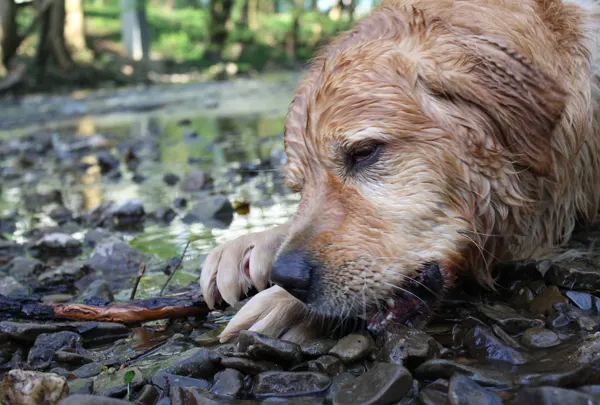
Photo: Johannnes89 via Wikimedia Commons, CC BY-SA 4.0
🐾 Getting ready for a puppy? Grab the free Golden Retriever Puppy Checklist (PDF) — no email required.
When a golden puppy is teething, anything is a toy: table legs, shoes, your hand. Giving them chew toys that are safe and satisfying cuts down on damage and helps sore gums. Here is what to look for.
Why puppies chew
Teething starts at about three to four months and wraps up around six to seven months (see the teething timeline). Gums are sore and chewing feels good. Goldens also love having something in their mouth, as the AKC’s golden timeline notes.
Teething toy types
| Type | Why it helps | Cautions |
|---|---|---|
| Firm rubber chews | Satisfying, durable | Choose size and hardness carefully. Too hard can chip teeth |
| Stuffable rubber toys | Hold food, can be frozen | Count the food as part of meals |
| Textured rings | Massage gums | Check for wear |
| Frozen washcloth (wet, twisted) | Cool relief | Supervise. Remove if pieces come off |
| Rope toys | Good for gentle tug and chewing | Fray over time and strings can be swallowed. Discard when frayed |
| Soft plush toys | Comfort and carrying | Not for heavy chewers. Remove stuffing and squeakers if shredded |
| Natural chews | Some dogs love them | Hard or large pieces carry risks. Ask your vet |
What to avoid
- Real bones, antlers and hard nylon. Hard enough to break teeth.
- Small balls and toys. Swallowing hazards.
- Sticks. Splinters.
- Toys with removable parts.
- Anything your puppy is shredding and swallowing.
A rule of thumb used by vets: if it is too hard to dent with your fingernail, or you wouldn’t want it hitting your kneecap, don’t give it to your dog.
How to use chew toys well
- Put toys where the trouble starts. Keep a toy near the couch or in each room.
- Swap, don’t scold. When your puppy grabs something forbidden, trade it for a toy and praise.
- Stuff and freeze. Fill a hollow toy with part of their meal and freeze for a couple of hours.
- Keep sessions supervised until you know how your puppy chews.
- Rotate toys. Fresh toys are more interesting.
- Give chews in the crate to build a calm association.
Also consider how chewing links to biting. See puppy biting.
Protect your house
- Use baby gates and pens to limit access.
- Pick up shoes, remote controls and kids’ toys.
- Wrap cords or use cord covers.
- Use bitter-taste sprays on furniture legs, but check they are pet-safe.
- Increase exercise and naps. A tired puppy chews less.
Dental health
Chewing helps keep teeth clean, but only appropriate chews. The Veterinary Oral Health Council evaluates products for plaque and tartar control. See our guide to dental care for goldens.
When to call the vet
- Your puppy swallows something that isn’t food
- Vomiting, loss of appetite, tummy pain or constipation after chewing
- A broken tooth or bleeding gums
- Heavy drooling or reluctance to eat
Related
Teething toy types to look for
We describe what to look for in each type of product. Specific product links are being added, and every link here will be marked as a sponsored link.
Pick 1
Firm rubber chew (large-breed size)
Best for: Everyday teething and chewing
What to look for:
- Some give, not rock hard
- Too big to swallow
- No parts that tear off
Pick 2
Stuffable freezer toy
Best for: Sore gums, crate time
What to look for:
- Hollow, easy to stuff
- Dishwasher safe
- Sized for large puppies
Pick 3
Textured teething ring or chew with nubs
Best for: Gum massage
What to look for:
- Soft nubs
- Durable
- Easy to clean
Pick 4
Soft rope or fabric toy for supervised play
Best for: Gentle chewing and tugging
What to look for:
- Tightly woven
- Large size
- Replace when frayed
Prices and availability change, so we do not list them here. Check the retailer's page for current details.
Frequently asked questions
What is the safest teething toy for a golden puppy?
Firm rubber toys sized for large breeds, with some give, are a common choice. Frozen, stuffed rubber toys can soothe gums. Always supervise and check for damage.
Can I freeze teething toys?
Many owners freeze stuffed rubber toys or wet washcloths. Make sure the item is not so frozen-hard that it could hurt teeth, and supervise.
Are bully sticks and rawhide safe for puppies?
Some dogs do fine, but others can choke or get blockages from large pieces. Ask your vet before giving them, and always supervise.
How many chew toys does a puppy need?
Four to six different types is usually enough, rotating them. The key is to have a toy handy when your puppy chews something they shouldn't.
My puppy ignores chew toys and chews furniture. What do I do?
Redirect each time, remove access to the furniture and increase exercise and sleep. Stuff toys with food to make them more attractive.
A quick note: this guide is general information from published sources, written by dog lovers, not a veterinarian. Your own vet knows your dog's history, so check with them before changing food, exercise or treatment.
Sources
Keep reading

Golden Retriever Teething: Timeline, Signs and What Actually Helps
A golden retriever teething timeline: when baby teeth fall out, when adult teeth arrive, signs of teething pain, safe chews and when to call the vet.

Golden Retriever Puppy Biting: Why It Happens and How to Stop It
Why golden retriever puppies bite and mouth, when it usually fades, and a calm, step-by-step plan to teach bite inhibition without yelling or punishment.
Best Toys for Golden Retrievers: Fetch, Chew, Puzzle and Water Toys by Type
How to choose the best toys for a golden retriever: fetch, chew, puzzle and water toys compared, safety rules for big retriever mouths and how to rotate toys to prevent boredom.