Dental Care for Golden Retrievers: Toothbrushes, Toothpaste and Chews That Meet Vet Standards

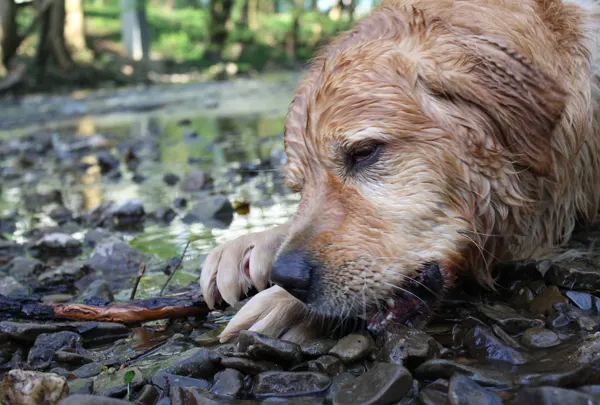
Photo: Johannnes89 via Wikimedia Commons, CC BY-SA 4.0
🐾 Getting ready for a puppy? Grab the free Golden Retriever Puppy Checklist (PDF) — no email required.
Dental disease is one of the most common health problems vets see in dogs, and it’s mostly preventable. Plaque turns to tartar, gums become inflamed and bacteria can spread beyond the mouth. For a golden, a few minutes of care a few times a week makes a big difference.
What the experts say
The AAHA dental care guidelines emphasize that regular home care plus professional dental exams and cleanings is the standard. The most effective home care is tooth brushing. Chews, diets and additives can help, but they are add-ons.
Brushing step by step
You will need dog toothpaste and a soft toothbrush or finger brush.
- Start slow. Let your dog lick the toothpaste from your finger.
- Touch the mouth. Lift their lip, touch the teeth and gums, then reward.
- Add the brush. Brush just a couple of teeth, then reward.
- Build up. Work along the outside surfaces of the teeth in small circles, especially near the gum line and the back teeth. The outside surfaces matter most.
- Keep it short and happy. 30 to 60 seconds is fine at first.
- Be consistent. Daily is ideal.
Puppies can start early with wipes or a finger brush. See teething for how mouths change.
Product types
| Product | What it does | Cautions |
|---|---|---|
| Toothbrush and toothpaste | Removes plaque mechanically | Use dog toothpaste only |
| Dental wipes | Easier first step | Less effective than brushing |
| Dental chews | Mechanical cleaning when chewed | Choose appropriate size and count calories. Look for the VOHC seal |
| Dental diets | Specially designed kibble | Ask your vet |
| Water additives | Reduce plaque | Look for VOHC acceptance |
| Oral gels or sprays | Convenient for some dogs | Evidence varies |
| Toys | Fun to chew | Don’t rely on them for cleaning |
The VOHC seal
The Veterinary Oral Health Council reviews data submitted by manufacturers and awards its seal to products that meet its standards for controlling plaque or tartar in dogs. Look for the seal on packaging, and check the VOHC website for current accepted products. Products without the seal may still be fine but haven’t passed that test.
What to avoid
- Hard chews like real bones, antlers and hard nylon can fracture teeth.
- Human toothpaste. Some contain xylitol, which is toxic to dogs.
- Chewing on rocks, tennis balls or sticks.
- Giving too many chew treats, which can lead to weight gain.
Signs of dental disease
- Persistent bad breath
- Yellow or brown tartar
- Red, swollen or bleeding gums
- Drooling, dropping food or chewing on one side
- Pawing at the face or rubbing the mouth
- Loose, broken or missing teeth
- Reduced appetite
See your vet if you notice any of these. A professional exam and cleaning under anesthesia may be needed, because dogs won’t hold still for a thorough cleaning. Ask your vet about pre-anesthetic testing and how often they recommend dental checks.
Dental care for seniors
Dental disease can affect older goldens’ comfort and eating. Pain can show up as reluctance to eat hard food or less interest in toys. Tell your vet. See also senior food.
A simple routine
| Frequency | Task |
|---|---|
| Daily or most days | Brush teeth |
| Every day | A VOHC-accepted chew if your vet agrees |
| Weekly | Look at gums and teeth |
| Every 6 to 12 months | Vet dental exam |
Related
Dental products to look for
We describe what to look for in each type of product. Specific product links are being added, and every link here will be marked as a sponsored link.
Pick 1
Dog toothbrush and enzymatic dog toothpaste
Best for: Daily or regular brushing, the gold standard
What to look for:
- Toothpaste made for dogs, in a flavor your dog likes
- Soft bristles, large-dog size or finger brush
- No xylitol
Pick 2
VOHC-accepted dental chew
Best for: Helping reduce plaque or tartar between brushings
What to look for:
- VOHC seal on the package
- Right size for a large dog
- Counts toward daily calories
Pick 3
Water additive with VOHC acceptance
Best for: Dogs who resist brushing
What to look for:
- VOHC seal
- Safe for dogs
- Doesn't deter drinking
Pick 4
Dental wipes
Best for: Puppies and a first step toward brushing
What to look for:
- Made for dogs
- Gentle on gums
Prices and availability change, so we do not list them here. Check the retailer's page for current details.
Frequently asked questions
How often should I brush my golden's teeth?
Daily is ideal, as brushing is the most effective home care according to veterinary dental guidelines. Even a few times a week is better than none.
Can I use human toothpaste?
No. Human toothpaste can contain ingredients such as xylitol or fluoride that are unsafe for dogs, and dogs can't spit. Use toothpaste made for dogs.
What is the VOHC seal?
The Veterinary Oral Health Council gives its seal to products that have met its standards for plaque or tartar control in dogs. It's a useful filter when choosing dental chews, diets and additives.
Are dental chews enough?
They can help but are not a substitute for brushing and professional dental exams. Your vet can tell you if your golden needs a dental cleaning.
What are signs of dental disease?
Bad breath, yellow or brown tartar, red or bleeding gums, drooling, dropping food, pawing at the mouth, loose or broken teeth and reduced appetite.
A quick note: this guide is general information from published sources, written by dog lovers, not a veterinarian. Your own vet knows your dog's history, so check with them before changing food, exercise or treatment.
Sources
Keep reading

Golden Retriever Teething: Timeline, Signs and What Actually Helps
A golden retriever teething timeline: when baby teeth fall out, when adult teeth arrive, signs of teething pain, safe chews and when to call the vet.
Best Teething Toys for Golden Retriever Puppies: Safe Chews That Actually Help
How to pick safe teething toys for a golden retriever puppy: rubber, frozen, rope and soft chews compared, what to avoid and how to protect your furniture during teething.

Golden Retriever Grooming: A Simple Home Routine for Coat, Ears, Nails and Paws
A practical golden retriever grooming guide: the right brushes, bathing, ear and nail care, trimming feathering, and why you should never shave a golden.