Golden Retriever Ear Infections: Signs, Causes, Treatment and Prevention
Please see your vet. This guide is general education, not a diagnosis or treatment plan. If your golden seems unwell, call your veterinarian. If it looks like an emergency, go to an emergency vet right away.
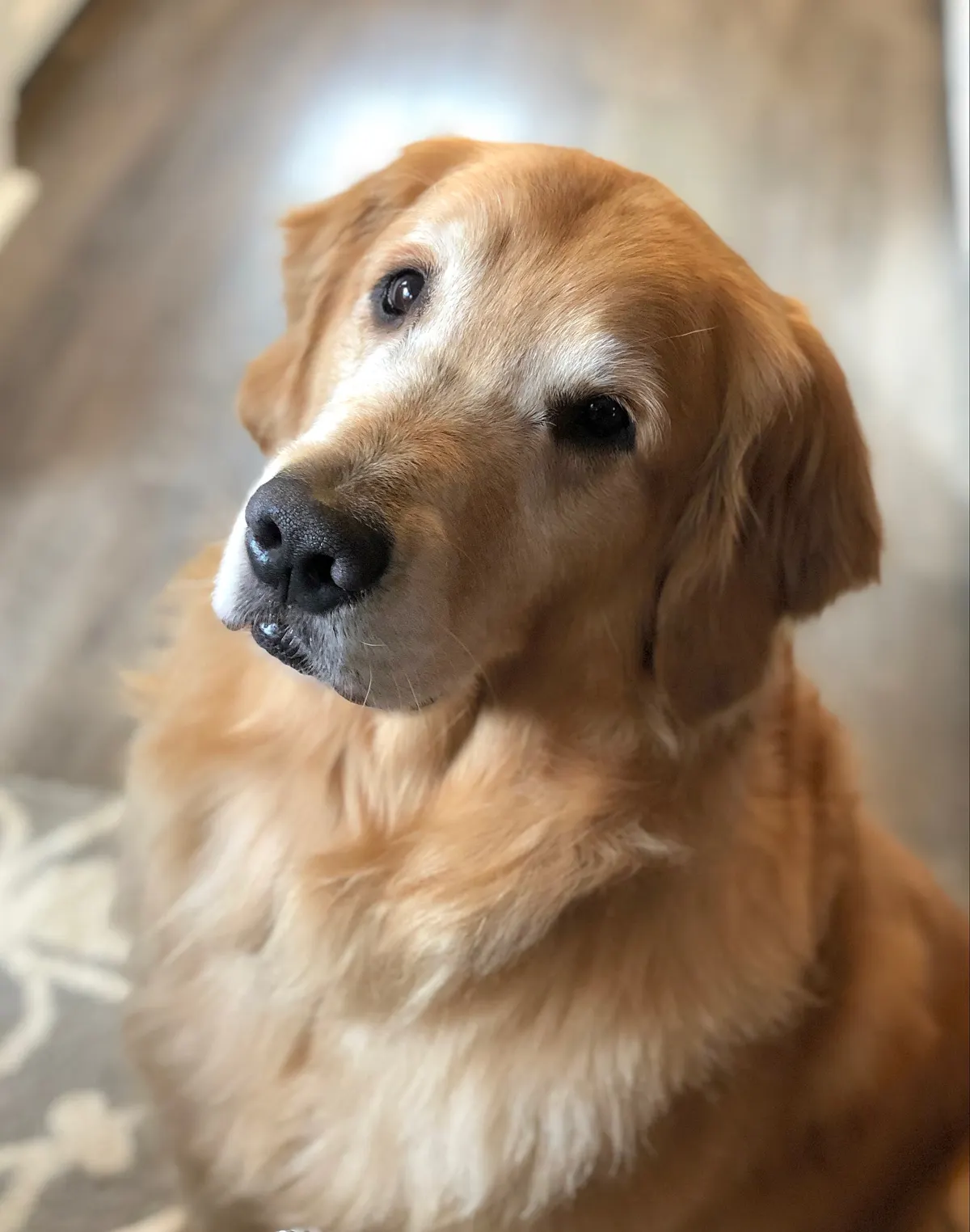
Photo: Pete Markham from Loretto, USA via Wikimedia Commons, CC BY-SA 2.0
🐾 Getting ready for a puppy? Grab the free Golden Retriever Puppy Checklist (PDF) — no email required.
If your golden is shaking their head, scratching at their ears or smells funky near the ears, an ear infection is a likely suspect. Goldens are prone to them, and catching them early makes treatment easier.
General education only. Ear infections need a vet’s diagnosis and treatment.
Why goldens are prone
- Floppy ears trap warmth and moisture and reduce airflow.
- Swimming introduces water into the canal.
- Allergies inflame the skin lining the ear. VCA notes that allergies are a common underlying cause of recurring ear infections.
- Hair in the ear canal can hold moisture and debris.
- Dirt and wax can build up.
Signs to watch for
| Sign | What it may mean |
|---|---|
| Shaking head or scratching ears | Itch or pain |
| Redness or swelling inside the ear | Inflammation |
| Dark, yellow or brown discharge | Infection, yeast or mites |
| Strong or sour odor | Bacteria or yeast |
| Pain when touched or crying | Pain |
| Head tilt, circling or loss of balance | Possible middle or inner ear involvement, see a vet immediately |
| Rubbing the ears on carpet or furniture | Itch |
What a vet will do
- Look into the ear with an otoscope to check the canal and eardrum.
- Take a sample of the discharge to look at under a microscope (cytology) to identify yeast, bacteria or mites.
- Clean the ear and prescribe medication, usually ear drops, sometimes oral medication.
- Look for the underlying cause, such as allergies. Recurrent infections point to something that needs addressing. See allergies and itchy skin.
Don’t use leftover medication from a previous infection. It may not be the right one.
Cleaning ears the safe way
Ask your vet if routine cleaning is right for your dog. If it is:
- Use a vet-approved ear cleaner made for dogs.
- Fill the ear canal with cleaner as directed, massage the base of the ear for 20 to 30 seconds. You should hear a squishing sound.
- Let your dog shake their head, then wipe the visible part of the ear with gauze or cotton. Don’t push cotton swabs into the canal.
- Reward your dog.
Avoid cleaning if the ear is very red, painful or has a suspected perforated eardrum. Your vet will advise.
Prevention
- Dry ears after swimming and baths. Pat the outer ear and let dry.
- Check ears weekly. Look and sniff. Healthy ears have little odor.
- Keep up with allergy management with your vet.
- Keep the area tidy. Trim excess hair around the ear opening, and ask your groomer or vet about hair inside the canal.
- Don’t over-clean. Excess cleaning can irritate.
- Control fleas and keep skin healthy.
When it’s an emergency
Go to the vet promptly for:
- Head tilt, loss of balance or eye flicking
- Severe pain, swelling behind the ear or a hot, swollen ear flap (possible hematoma)
- Bleeding or pus
- Sudden hearing loss
Related
Frequently asked questions
How do I know if my golden has an ear infection?
Common signs are head shaking, scratching the ears, redness, a bad odor, dark or yellow discharge, pain when touched and a tilted head. See your vet for an accurate diagnosis.
Can I treat it at home?
Don't guess. Different infections need different medication, and the wrong product can cause harm, especially if the eardrum is damaged. Your vet will examine the ear and prescribe treatment.
Why do goldens get ear infections so often?
Floppy ears limit airflow, goldens love to swim and many have allergies that inflame the ear canals. These factors create a moist, warm environment where yeast and bacteria thrive.
Can I clean my golden's ears at home?
Routine cleaning with a vet-recommended ear cleaner can help some dogs, but ask your vet first, especially if the ear is red, painful or smelly. Never push cotton swabs into the canal.
Do ear infections go away on their own?
Rarely. Untreated infections can become painful and chronic and can damage the ear. See your vet promptly.
A quick note: this guide is general information from published sources, written by dog lovers, not a veterinarian. Your own vet knows your dog's history, so check with them before changing food, exercise or treatment.
Sources
Keep reading
Golden Retriever Allergies and Itchy Skin: Causes, Signs and What Your Vet Will Do
Why is your golden retriever itchy? Environmental, food and flea allergies explained, common signs, what the vet workup involves, and what not to do at home.
How Often Should You Bathe a Golden Retriever? Schedule, Tips and Mistakes to Avoid
How often should you bathe a golden retriever? A practical schedule for puppies and adults, factors that change it, how to bathe and dry a double coat and mistakes to avoid.


Why Does My Golden Retriever Smell? Causes, Fixes and When It's a Vet Problem
Why does your golden retriever smell, even after a bath? Common causes: damp coat, ears, skin infection, dental disease and anal glands, with fixes and when to call the vet.