Golden Retriever Hot Spots: Causes, What They Look Like and How Vets Treat Them
Please see your vet. This guide is general education, not a diagnosis or treatment plan. If your golden seems unwell, call your veterinarian. If it looks like an emergency, go to an emergency vet right away.
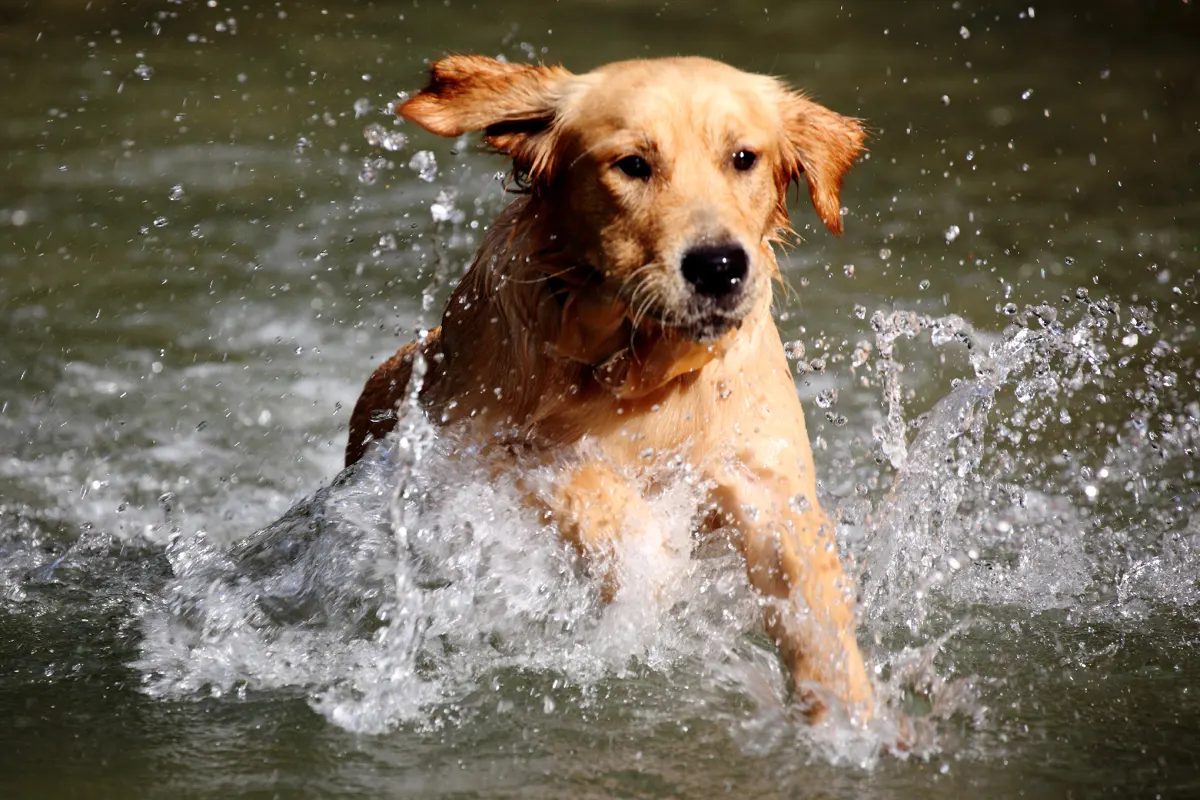
Photo: Franco Vannini via Wikimedia Commons, CC BY 2.0
🐾 Getting ready for a puppy? Grab the free Golden Retriever Puppy Checklist (PDF) — no email required.
A hot spot can appear overnight: one minute your golden has a slightly itchy patch, the next there’s a wet, red, smelly sore. Hot spots hurt, and they spread quickly, so they’re best treated early by your vet.
General education only. If you think your dog has a hot spot, call your vet.
What a hot spot is
Vets call them acute moist dermatitis or pyotraumatic dermatitis. VCA Animal Hospitals describes them as areas of inflamed, infected skin that often appear suddenly and grow quickly because of constant licking, chewing or scratching.
What they look like
- A red, moist or oozing patch, often with matted fur on top
- Hair loss in a circle or patch
- A sharp odor
- Pain: your dog may yelp or snap if you touch it
- Common spots on goldens: the cheeks, behind the ears, hips, base of the tail and neck
Why goldens get them
| Trigger | How it starts the cycle |
|---|---|
| Allergies | Itching leads to scratching and chewing |
| Fleas and other parasites | Intense itch |
| Ear infections | Scratching around the ears and face. See ear infections |
| Wet coat | Swimming, baths or rain trap moisture in a thick coat |
| Mats and tangles | Trap moisture and irritate skin |
| Anal gland issues or pain | Licking and chewing near the area |
| Boredom or stress | Excessive licking in some dogs |
The AKC notes that hot spots can be caused by allergies, insect bites, poor grooming and moisture, among other things.
What to do
- Call your vet. Hot spots are painful and can get worse quickly.
- Stop the licking. Use a cone or recovery suit if you must wait for the appointment.
- Keep the area clean and dry and don’t apply human creams or sprays.
What your vet may do
- Clip the hair around the area so it can air out and be cleaned
- Clean the skin with an antiseptic solution
- Prescribe topical or oral medication for infection and inflammation
- Pain relief if needed
- Look for the underlying cause and treat it
Preventing the next one
- Dry thoroughly after swimming and baths, especially the undercoat
- Brush often to prevent mats. See brush guide
- Keep up with flea prevention from your vet
- Manage allergies. See allergies and itchy skin
- Check skin when grooming. Early redness is a warning
- Avoid shaving the coat. See shaving guide
When to go right away
- The sore is large, spreading or very painful
- Your dog is lethargic, has a fever or won’t eat
- There are multiple sores
- It’s near the eyes
- You see swelling, pus or a strong smell
Related
Frequently asked questions
What is a hot spot on a dog?
A hot spot (acute moist dermatitis) is a red, wet, painful patch of skin that can appear quickly, often after a dog scratches, licks or chews an irritated area. It is a skin infection and should be treated by your vet.
Why do goldens get hot spots?
Their thick coat traps moisture, and allergies, fleas, ear infections, mats and swimming can all trigger itching that starts the cycle.
Can I treat a hot spot at home?
Hot spots are painful and can spread fast, so see your vet. They often need clipping of the area, cleaning and medication. Don't use human creams or home remedies without veterinary advice.
How can I prevent hot spots?
Dry your dog thoroughly after swimming and baths, keep up with flea control and grooming, treat allergies and ears and see your vet when your dog starts scratching.
Are hot spots contagious?
Generally not between dogs, but the underlying cause, such as fleas, may be.
A quick note: this guide is general information from published sources, written by dog lovers, not a veterinarian. Your own vet knows your dog's history, so check with them before changing food, exercise or treatment.
Sources
Keep reading
Golden Retriever Allergies and Itchy Skin: Causes, Signs and What Your Vet Will Do
Why is your golden retriever itchy? Environmental, food and flea allergies explained, common signs, what the vet workup involves, and what not to do at home.
How Often Should You Bathe a Golden Retriever? Schedule, Tips and Mistakes to Avoid
How often should you bathe a golden retriever? A practical schedule for puppies and adults, factors that change it, how to bathe and dry a double coat and mistakes to avoid.


Golden Retriever Ear Infections: Signs, Causes, Treatment and Prevention
Why golden retrievers get ear infections, the signs to watch for, what a vet will do, how to clean ears safely and how to reduce the chance they come back.