Golden Retriever Hip Dysplasia: Signs, Causes, Treatment and Prevention
Please see your vet. This guide is general education, not a diagnosis or treatment plan. If your golden seems unwell, call your veterinarian. If it looks like an emergency, go to an emergency vet right away.
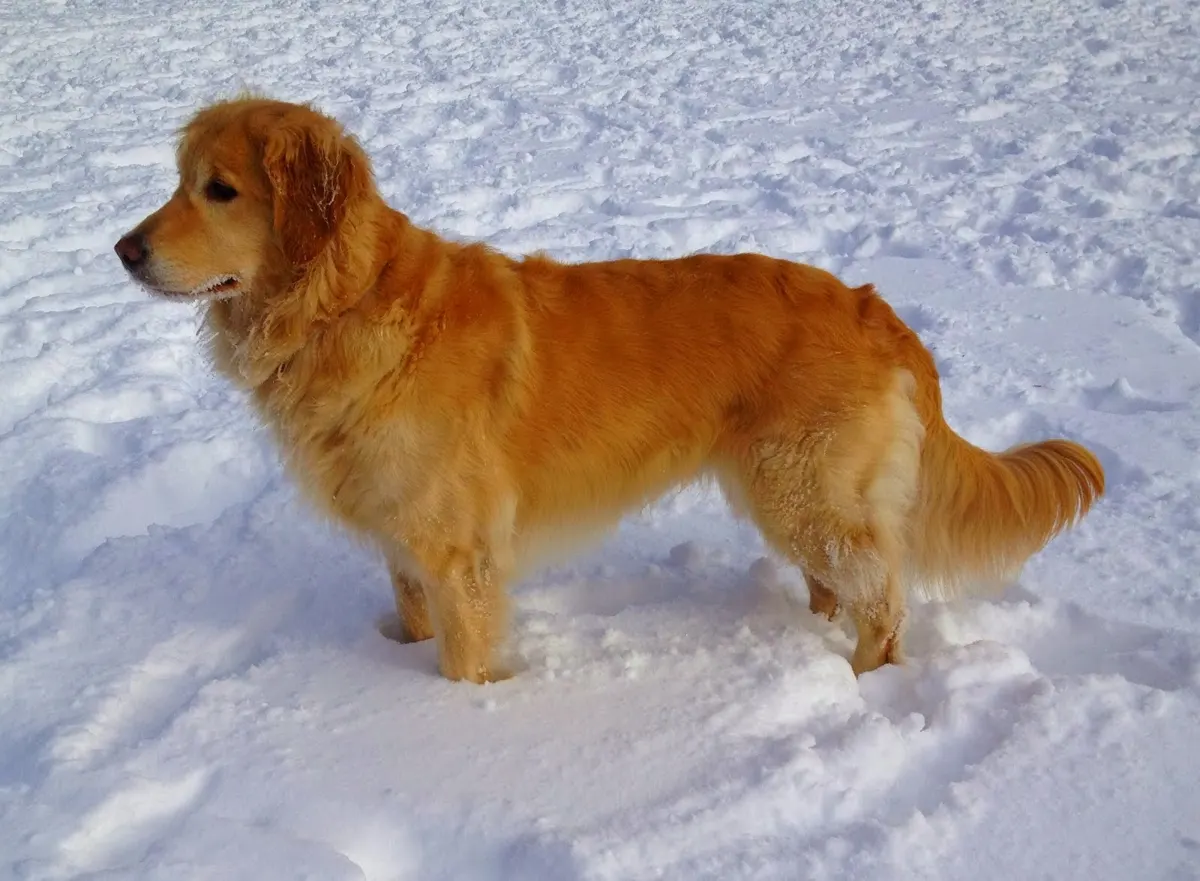
Photo: Newyorker10021 via Wikimedia Commons, CC BY-SA 4.0
🐾 Getting ready for a puppy? Grab the free Golden Retriever Puppy Checklist (PDF) — no email required.
Hip dysplasia is one of the first health conditions people learn about when they get a golden retriever, and for good reason. It’s common in large breeds, it can affect quality of life, and it is the topic that breeders and vets mention first when you ask about health testing. It can also sound scarier than it needs to be. Many dysplastic dogs live happy, active lives with the right management.
This guide explains what hip dysplasia is, how to recognize it, what the veterinary research says about how common it is, how it’s treated and what you can do to protect your golden.
What is hip dysplasia?
The hip is a ball-and-socket joint. In a healthy hip, the round head of the thigh bone (femur) fits snugly into the cup-shaped socket of the pelvis (acetabulum) and glides smoothly. In hip dysplasia, the joint develops abnormally: it’s too loose or doesn’t fit well, so the bones don’t move as they should. Over time, the abnormal movement damages the cartilage and leads to osteoarthritis, or degenerative joint disease.
The Orthopedic Foundation for Animals (OFA) explains that once osteoarthritis is present on an X-ray, “dysplastic changes are irreversible and usually continue to progress over time.” That sounds grim, but progression and pain don’t always go hand in hand, and a lot can be done to keep dogs comfortable.
What causes it?
Hip dysplasia is multifactorial, meaning several factors are involved. A review in the Journal of the American Veterinary Medical Association notes that the condition is thought to have a genetic basis, with heritability estimates ranging from about 0.2 to 0.6, but that “nongenetic factors also play a role.” The precise cause remains unknown.
Factors that are widely discussed include:
- Genetics: dogs with dysplastic parents are more likely to be affected.
- Rapid growth: VCA Animal Hospitals notes that overfeeding large-breed puppies can make them grow faster than their skeletons can keep up with, leading to developmental orthopedic disease.
- Body weight: extra weight adds mechanical stress to the joints.
- Exercise and environment: repetitive high-impact activity on a growing puppy is something many vets caution against.
How common is it in golden retrievers?
This is where the numbers get complicated. Hip dysplasia is regularly reported as a significant issue in goldens, but published prevalence figures vary a lot depending on how the data were gathered.
In a 2005 study in the Journal of the American Veterinary Medical Association, researchers screened X-rays of 200 clinically normal Golden Retrievers (aged 24 to 60 months) and found hip dysplasia in 53% to 73%, depending on how strict the X-ray scoring was. They also found that dogs with normal-looking hips were about 8 times as likely to have their X-rays submitted to the OFA, which they argued causes OFA database statistics to underestimate the true prevalence.
A few important points about that:
- It means many goldens have some degree of radiographic change in the hips without showing obvious symptoms.
- It does not mean 53% to 73% of goldens are lame or in pain.
- Newer or different data sets can show different numbers, and we don’t want to quote a figure that isn’t well supported. If someone gives you a single “percent of goldens with hip dysplasia,” ask where it comes from.
The takeaway: take hip health seriously, but don’t panic. Choose your puppy and care for your dog with hips in mind.
Signs of hip dysplasia in goldens
Signs can show up in young dogs, when joint looseness causes pain, or appear later as arthritis develops. Veterinary reviews describe signs including:
- Hind-limb lameness or stiffness, especially after rest or exercise
- Reduced activity or reluctance to run, jump or play
- Difficulty rising from lying down
- Trouble with stairs or jumping into the car
- Swaying or “bunny hopping” gait in some dogs
- Pain or stiffness when the hips are touched or moved
AAHA’s warning signs for senior arthritis overlap, and include difficulty rising or lying down, limping, restlessness and reluctance to walk, play, jump or use stairs. If you notice any of these, don’t assume your dog is “just slowing down.” Talk to your vet.
How is it diagnosed?
A vet can suspect hip dysplasia based on history, symptoms and a physical exam. A definitive diagnosis, according to the veterinary literature, is made from X-rays of the pelvis, usually with the dog sedated or anesthetized so the legs can be positioned properly. The OFA evaluates hip radiographs submitted by vets and issues ratings, which many breeders use to screen breeding dogs. Other methods (such as PennHIP) are also used to measure joint laxity, and your vet can tell you what’s available.
Treatment options
Treatment depends on the dog’s age, severity and the owner’s goals. Your vet may refer you to an orthopedic specialist.
Conservative (non-surgical) management
The OFA says that for most dogs with arthritis secondary to hip dysplasia, owners first try medical management. “The key is weight control and exercise.” It reports that studies have shown up to 76% of severely dysplastic dogs with secondary arthritis were able to function and live comfortable, quality lives with conservative management.
Parts of a typical plan:
- Weight control: keep your dog lean. The OFA says the goal is to prevent the dog from becoming overweight, with ribs that are easy to feel and a visible waist.
- Controlled exercise: start with short leash walks, build up gradually, and scale back if pain or stiffness returns. Swimming, being non-weight-bearing, is especially useful for maintaining muscle tone and range of motion.
- Pain medication: a published veterinary review notes that nonsteroidal anti-inflammatory drugs (NSAIDs) are commonly used for pain in severely arthritic joints. Only give medications your vet prescribes. Human pain relievers can be dangerous for dogs.
- Supplements: the same review lists options such as fish oil, green-lipped mussel and polysulfated glycosaminoglycans, with the caveat that responses vary and evidence is mixed. Ask your vet before starting any supplement.
- Physical therapy and comfort measures: rehab exercises, non-slip floors, ramps and a supportive bed.
Surgery
For some dogs, particularly young dogs with severe signs or dogs who don’t respond to medical management, surgery may be considered. There are several procedures, and a board-certified veterinary surgeon can explain which, if any, fit your dog. This is a big decision that depends on the individual dog, so get a specialist’s opinion.
Prevention: what you can do
You can’t change your dog’s genes after the fact, but you can influence the rest.
Before you get your puppy
- Ask the breeder for the parents’ hip evaluations, such as OFA results or PennHIP, along with elbows, eyes and heart screening. Responsible breeders will share these openly and are happy to talk about them.
- Be wary of anyone who dismisses health testing or says “hips are never a problem in our line.”
During puppyhood
- Feed a large-breed puppy food in measured portions. VCA notes that large-breed puppy food slows the growth rate (not the final size) and may decrease the incidence or severity of hip dysplasia. See our feeding guide.
- Keep puppies lean. Overfeeding large-breed puppies can lead to developmental orthopedic disease.
- Avoid repetitive high-impact exercise. The AKC suggests holding off on jogging until large breeds are about 12 to 18 months old, and avoiding repeated jumping and hard-surface running while bones are still maturing. See our guide to golden retriever exercise needs.
- Provide traction. Slippery floors make it harder for puppies to build secure footing.
Throughout life
- Keep your dog at a healthy weight every year of their life.
- Maintain a regular, moderate exercise routine to keep muscles strong.
- Get regular veterinary exams, and tell your vet about any change in movement.
Living with a dysplastic golden
If your golden is diagnosed, take a breath. Many owners say they found the diagnosis frightening and then discovered that the right plan makes a big difference. Here are some practical tips:
- Make your home easier to navigate: runners on slick floors, a ramp for the car and a low-entry bed.
- Choose low-impact exercise: steady leash walks and swimming rather than ball-chasing on hard ground.
- Watch weight like a hawk, since every pound counts.
- Work with your vet on pain control. A dog in pain is not a happy dog.
- Keep monitoring. What works at age 3 may need tweaking at age 8. Our golden retriever lifespan and senior care guide offers more on aging well.
The bottom line
Hip dysplasia is common enough in goldens that every owner should know about it, but it isn’t a death sentence. Choose well-tested parents, raise your puppy lean on a large-breed diet, avoid high-impact overuse while growing and keep your dog at a healthy weight for life. If signs appear, get an early evaluation and build a plan with your vet. Our Facebook group has plenty of members who’ve been through it, and they love to share what’s helped their dogs.
Frequently asked questions
What are the signs of hip dysplasia in golden retrievers?
Common signs include hind-leg lameness or stiffness, difficulty rising or climbing stairs, reduced activity and reluctance to run or jump, and pain when the hips are handled. Signs can appear in young dogs or develop later as arthritis sets in, so tell your vet about any change in how your dog moves.
How is hip dysplasia diagnosed?
A veterinarian can suspect it from your dog's history, symptoms and a physical exam, but a definitive diagnosis is made with X-rays (radiographs) of the pelvis, often with the dog sedated so the hips can be positioned correctly. Veterinary reviews also describe other screening methods used by specialists and breeders.
Can hip dysplasia be cured?
The OFA says that once arthritis is visible on an X-ray, the changes are irreversible and usually continue to progress. But many dogs do very well with management. The OFA cites studies indicating that up to 76% of severely dysplastic dogs with secondary arthritis were able to live comfortable, functional lives with conservative management. Surgery is an option in some cases.
Is hip dysplasia genetic?
Genes play a large role, with published heritability estimates ranging from about 0.2 to 0.6, but non-genetic factors such as growth rate, nutrition, weight and exercise also matter. That is why both breeder health testing and good puppyhood care are important.
How common is hip dysplasia in golden retrievers?
It depends on how it is measured, and published figures differ widely. A 2005 study in the Journal of the American Veterinary Medical Association found radiographic signs in 53% to 73% of 200 clinically normal goldens (depending on how strictly the X-rays were read) and argued that database figures can under-estimate prevalence. Having X-ray changes doesn't always mean a dog is in pain.
Can I prevent hip dysplasia in my golden retriever?
You can't guarantee prevention, but you can lower the risk of problems. Choose a puppy from parents with documented hip evaluations, feed a large-breed puppy diet in measured portions, keep your dog lean throughout life and avoid hard, repetitive high-impact exercise while the puppy is growing.
A quick note: this guide is general information from published sources, written by dog lovers, not a veterinarian. Your own vet knows your dog's history, so check with them before changing food, exercise or treatment.
Sources
- OFA: Hip Dysplasia
- Diagnosis, prevention, and management of canine hip dysplasia: a review (PMC)
- JAVMA (2005): Estimates of prevalence of hip dysplasia in Golden Retrievers and Rottweilers and the influence of bias on published prevalence figures
- JAVMA (1997): Advances in diagnosing canine hip dysplasia (heritability and diagnosis)
- VCA Animal Hospitals: Golden Retriever
- VCA Animal Hospitals: Nutritional Considerations for Large and Giant Breed Dogs
- AKC: How Much Mental and Physical Exercise Do Puppies Need?
- AAHA: A Watchful Eye, Recognizing Senior Pet Health Problems
Keep reading
Best Joint Supplements for Golden Retrievers: What the Evidence Says and What to Ask Your Vet
Do joint supplements work for golden retrievers? Glucosamine, chondroitin, omega-3s and green-lipped mussel explained, how to choose a quality product and why to talk to your vet first.

Golden Retriever Weight and Size by Age: Growth Chart for Males and Females
A golden retriever growth chart with typical weight ranges by age for males and females, adult size standards, how to tell if your puppy is on track and when to call the vet.

When to Neuter or Spay a Golden Retriever: What the Research Says
The timing of neutering or spaying matters for goldens. See what UC Davis research found on joint disorders and cancers, what the AKC says and how to decide with your vet.


Golden Retriever Exercise Needs: How Much Is Enough at Every Age
How much exercise does a golden retriever need? Age-by-age guidance for puppies, adults and seniors, plus swimming, mental games and hot-weather safety.