Best Food for Golden Retrievers: How to Choose for Puppies, Adults and Seniors
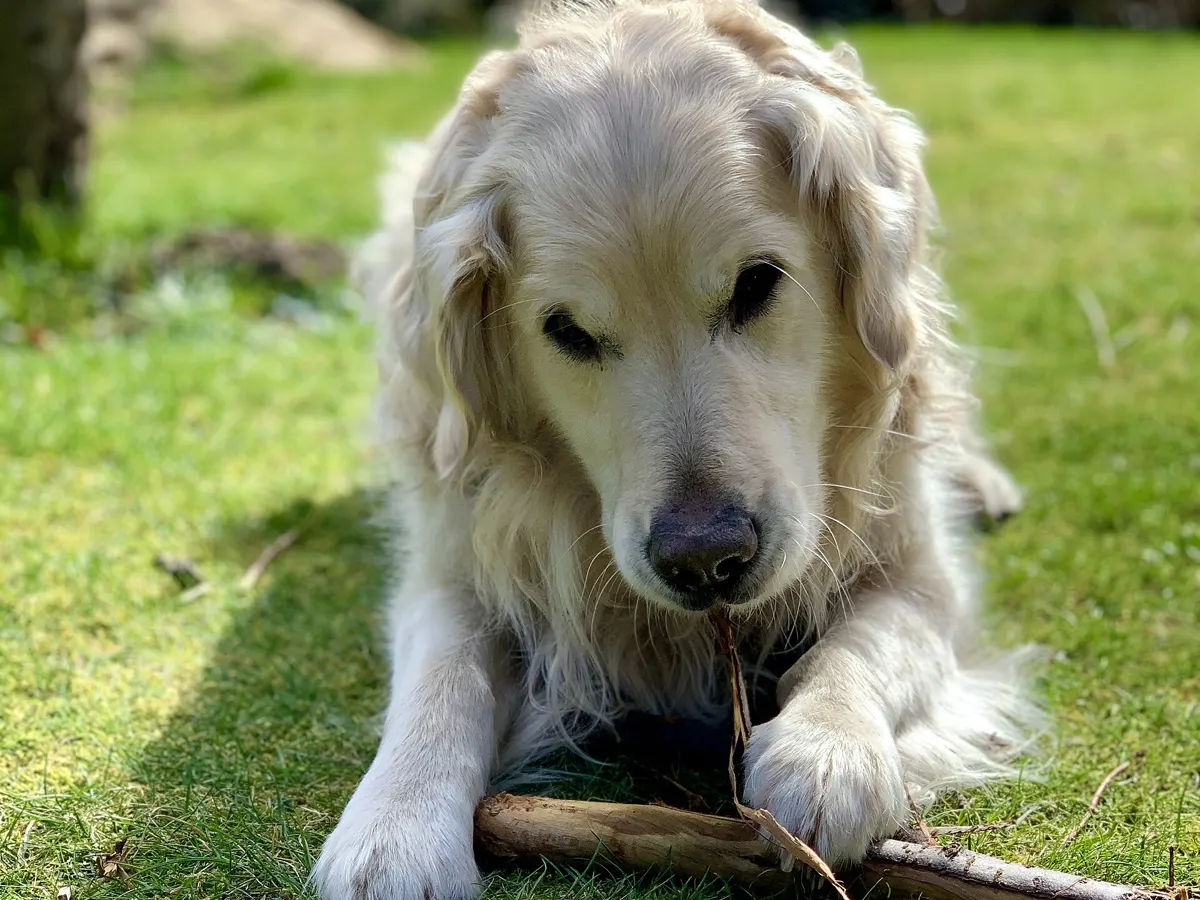
Photo: Johannnes89 via Wikimedia Commons, CC BY-SA 4.0
🐾 Getting ready for a puppy? Grab the free Golden Retriever Puppy Checklist (PDF) — no email required.
“What’s the best food for golden retrievers?” is one of the most common questions in our community, and one of the hardest to answer with a single brand name. Every golden is different, and the dog food aisle is a maze of marketing claims. The good news: you don’t need to memorize ingredient lists or chase trends. If you know what to look for on the label, how to feed each life stage and how to judge your own dog’s body condition, you can feed your golden well.
This guide uses guidance from veterinary nutritionists and veterinary hospitals, not paid recommendations. We aren’t naming brands here, because the best food is the one that fits your dog and your vet agrees with. (If we ever add affiliate links to our food guides, they will be clearly marked and will never change this advice. See our affiliate disclosure.)
First, know your golden’s size and growth
According to the AKC, adult golden retriever females typically weigh 55 to 65 pounds and males 65 to 75 pounds, and the breed usually finishes growing by about two years old. Goldens are athletic dogs that, per the breeders interviewed by the AKC, “must be kept trim their entire lives.”
That growth timeline matters, because puppies, adults and seniors need different things.
Step 1: Check the AAFCO nutritional adequacy statement
On every bag or can of dog food in the US, look for a small statement from the Association of American Feed Control Officials (AAFCO). It’s usually near the ingredient list and it tells you whether the food is complete and balanced and for which life stage. The Tufts University pet nutrition team’s advice is to double-check that the food is designed to meet the AAFCO minimums for growing puppies and to avoid exceeding the maximums, which you can see in that statement.
Common statements include:
- Growth (puppy) foods
- Maintenance (adult) foods
- All life stages foods, which meet the needs of puppies and adults
If a food doesn’t carry a statement saying it is complete and balanced, it may be a treat or a supplement, not a main meal.
Step 2: Check who makes it
Tufts nutritionists recommend a simple first filter: does the manufacturer meet the World Small Animal Veterinary Association (WSAVA) guidelines on selecting pet foods? Those guidelines ask questions such as whether the company employs a qualified nutritionist, tests its foods, and will share this information with you. It’s a practical way to narrow down hundreds of options. Your vet can also tell you which companies they trust.
Feeding a golden retriever puppy
Goldens are a large breed, and large-breed puppies have special needs. VCA Animal Hospitals explains that large and giant puppies grow quickly, and if they are overfed during growth, “their skeleton may not grow at the same rate, leading to developmental orthopedic diseases.” These foods also need tightly controlled calcium and phosphorus.
Here are the practical takeaways.
Choose a large-breed puppy formula
Look for a statement like this on the label: formulated for growth, “including growth of large-size dogs (70 lbs or more as an adult).” AAFCO uses 70 pounds as the cutoff, but Tufts nutritionists say 50 pounds is a more conservative line, which comfortably includes goldens. Large-breed puppy foods have lower, narrower calcium ranges and are usually lower in calories than regular puppy foods.
VCA recommends large-breed dogs eat an appropriate growth formula until around 18 months of age, and VCA’s golden retriever page notes that large-breed puppy food slows the growth rate (not the final size) and may decrease the incidence or severity of hip problems. See our guide to golden retriever hip dysplasia for more.
Measure, don’t guess
VCA advises measuring food with a digital kitchen scale, because scoops and cups are not precise, even when the same person feeds every time. Use the label’s feeding chart as a starting point and adjust to keep your puppy at a healthy body condition. A vet can show you how to read the growth chart.
Skip the extras
VCA recommends avoiding treats and other foods that could unbalance a growing puppy’s diet. Once your dog is an adult, up to 10% of daily calories can come from treats or other foods that aren’t complete and balanced. (Training treats count, so use tiny pieces or a portion of the kibble.) And don’t add calcium or other supplements to a puppy’s diet unless your vet tells you to.
How often?
Manufacturer feeding guidelines for puppy food commonly suggest several small meals a day for younger puppies, such as three, then gradually cutting back to a morning and evening meal as the puppy matures. Your vet can give you an exact schedule for your puppy.
Feeding an adult golden retriever
PetMD says full-grown goldens do well on two feedings a day, morning and evening. For most dogs, a complete and balanced adult maintenance diet (or an all-life-stages food) is appropriate.
The real challenge for adult goldens is how much, not what. VCA notes the breed “has a tendency to become overweight,” and the AKC breeders warn that caloric needs can change dramatically after the teenage years and after spaying or neutering, when “weight management becomes a challenge.” Excess weight isn’t only a cosmetic issue:
- The OFA says weight control is the key to managing hip dysplasia and reducing stress on the joints.
- A landmark study of Labrador retrievers found that dogs fed 25% less food than their littermates lived a median of about two years longer (13.0 vs 11.2 years). It wasn’t done in goldens, but it’s often cited because it shows how much body weight can matter. We discuss it in our golden retriever lifespan guide.
How to check your golden’s weight
Don’t rely only on the scale. Use body condition scoring. VCA says the target is 4 to 5 on a 9-point scale. At home:
- Ribs: you should be able to feel them easily under a thin layer of fat, without pressing hard (OFA describes the ideal as ribs that are “easily palpated”).
- Waist: from above, there should be a visible indentation behind the ribs.
- Tummy tuck: from the side, the belly should rise up toward the hind legs.
If you can’t feel the ribs or see a waist, talk to your vet about reducing portions or changing foods.
Feeding a senior golden retriever
Older dogs usually need fewer calories because they’re less active, but many owners keep feeding the same amount. AAHA warns that this, along with table scraps, boredom eating and free feeding, can lead to weight gain in senior pets. Weigh your dog regularly and adjust portions. Your vet may also recommend a senior diet or a diet for a particular condition such as kidney or joint disease. Don’t switch to a prescription diet without veterinary guidance.
Foods that are dangerous for goldens
Goldens are famous for eating anything. The ASPCA’s Poison Control experts list these common people foods to avoid:
- Chocolate, coffee and caffeine: darker chocolate and baking chocolate are the most dangerous.
- Grapes and raisins: can lead to kidney damage.
- Xylitol: a sweetener found in gum, candy, baked goods and toothpaste, which can cause low blood sugar and liver damage.
- Onions, garlic and chives: can damage red blood cells.
- Macadamia nuts: can cause weakness, tremors and vomiting.
- Alcohol and raw yeast dough: dough can expand in the stomach and be life-threatening.
- Raw meat, eggs and bones: risk of bacteria and, for bones, injury or obstruction.
- Salty and fatty foods: can cause stomach upset and, in some dogs, pancreatitis.
If your dog may have eaten any of these, note the amount and call your vet or the ASPCA Poison Control line at (888) 426-4435 (a consultation fee may apply).
What about grain-free diets?
You’ve probably seen grain-free food advertised as “natural” or “ancestral.” Here’s what’s worth knowing. The FDA has investigated reports of dilated cardiomyopathy (DCM), a serious heart disease, in dogs eating certain diets, many of them labeled grain-free and high in peas, lentils or potatoes. Golden retrievers were among the breeds reported. The FDA says it found an association and hasn’t established a proven cause, and it stopped its regular public updates in 2022 because the available data aren’t enough to prove one.
Because of that uncertainty, many veterinary schools advise talking with your vet before feeding a grain-free or boutique diet unless your dog has a diagnosed need. If you have any questions about whether your dog’s current food is right, bring the bag to your next appointment.
Food allergies and sensitive stomachs
Itchy skin, ear infections and tummy trouble in goldens have many possible causes. PetMD notes that goldens are prone to atopy (environmental allergies), which are not caused by food. If your dog is itchy or has digestive problems, see your vet before changing the diet. If a food allergy is suspected, your vet can guide a proper elimination diet.
When you do switch foods, mix the new food in with the old gradually over a week or more to avoid stomach upset.
Quick checklist
- ✅ Label says “complete and balanced” for your dog’s life stage
- ✅ For puppies: large-breed growth formula (or “including growth of large-size dogs”)
- ✅ Manufacturer meets WSAVA guidelines and has qualified nutritionists
- ✅ Measured portions, ideally weighed on a scale
- ✅ Body condition checked monthly: ribs felt easily, waist visible
- ✅ Treats under 10% of calories for adults, minimal for growing puppies
- ✅ Vet involved in major diet changes
Final thoughts
The best food for your golden is a complete, balanced food from a reputable maker that keeps your dog lean and healthy. The most important part of the diet is the amount. Skip the supplements and trends unless your vet recommends them, and enjoy the love in your dog’s eyes at dinnertime. For more on the long game, read our guides to golden retriever lifespan and exercise needs.
Frequently asked questions
What is the best dog food for a golden retriever?
There isn't one brand that is best for every golden. Veterinary nutritionists suggest choosing a food that carries an AAFCO nutritional adequacy statement for your dog's life stage, comes from a manufacturer that meets the WSAVA guidelines for selecting pet foods, and keeps your individual dog at a lean, healthy weight. Your vet can help you narrow it down.
Should my golden retriever puppy eat large-breed puppy food?
Usually yes. Tufts University nutritionists advise a large-breed puppy food, or one whose label says it is for growth 'including growth of large-size dogs,' for puppies expected to reach more than 50 pounds as adults. Adult goldens typically weigh 55 to 75 pounds, so most fit that description.
How much should I feed my golden retriever?
Start with the feeding guide on the food's label and your vet's advice, then adjust to your dog's body condition. VCA recommends measuring portions with a digital kitchen scale rather than cups and aiming for a body condition score of 4 to 5 on a 9-point scale. You should be able to feel the ribs easily.
How many times a day should I feed an adult golden retriever?
PetMD says full-grown goldens do well with two meals a day, one in the morning and one in the evening. Puppies need more frequent meals, and your vet can set a schedule by age.
What foods are toxic to golden retrievers?
The ASPCA's list of people foods to avoid includes chocolate, coffee and caffeine, grapes and raisins, xylitol (a sweetener in gum, candy and some baked goods), onions, garlic and chives, macadamia nuts, alcohol and raw yeast dough, and raw meat, eggs and bones. If your dog eats any of them, call your vet or the ASPCA Poison Control line at (888) 426-4435.
Is grain-free food good for golden retrievers?
The FDA investigated reports of a heart condition called dilated cardiomyopathy in dogs eating certain diets, many labeled grain-free, and Golden Retrievers were among the breeds reported. The FDA described an association rather than a proven cause, but veterinary schools advise talking to your vet before feeding a grain-free or boutique diet unless your dog has a diagnosed need.
A quick note: this guide is general information from published sources, written by dog lovers, not a veterinarian. Your own vet knows your dog's history, so check with them before changing food, exercise or treatment.
Sources
- Tufts Petfoodology: What's the Best Food for Your New Puppy?
- Tufts Petfoodology: Confused About What to Feed Your Large Breed Puppy? New Rules May Help!
- VCA Animal Hospitals: Nutritional Considerations for Large and Giant Breed Dogs
- VCA Animal Hospitals: Feeding Growing Puppies
- VCA Animal Hospitals: Golden Retriever
- PetMD: Golden Retriever Dog Breed Health and Care
- ASPCA: People Foods to Avoid Feeding Your Pets
- FDA: Investigation into Potential Link between Certain Diets and Canine Dilated Cardiomyopathy
- AKC: Golden Retriever Puppy Training Timeline (growth and adult weight)
- OFA: Hip Dysplasia (weight control and body condition)
- AAHA: A Watchful Eye, Recognizing Senior Pet Health Problems
Keep reading

How Much Should I Feed My Golden Retriever? Feeding Schedule by Age and How to Measure
How much to feed a golden retriever puppy, adult or senior: meals per day by age, how to use the label and a kitchen scale, adjusting by body condition and the biggest feeding mistakes.

Best Puppy Food for Golden Retrievers: Large-Breed Formula Checklist (No Brand Hype)
How to choose the best puppy food for a golden retriever: large-breed puppy formulas, the AAFCO statement, calcium limits, wet vs. dry, and how to switch foods safely.

Best Senior Dog Food for Golden Retrievers: What Older Goldens Need (and What They Don't)
How to choose a senior dog food for an older golden retriever: calories, protein, joint and dental needs, wet vs. dry, weight changes and when to talk to your vet.


Is My Golden Retriever Overweight? Body Condition Chart and a Safe Weight-Loss Plan
How to tell if your golden retriever is overweight: the rib and waist test, the 9-point body condition score, why weight matters for joints and lifespan, and a vet-guided plan.