What Human Foods Can Golden Retrievers Eat? Safe, Risky and Toxic Lists

Photo: Pete Markham from Loretto, USA via Wikimedia Commons, CC BY-SA 2.0
🐾 Getting ready for a puppy? Grab the free Golden Retriever Puppy Checklist (PDF) — no email required.
Your golden stares at you with those eyes while you eat. Can they share? Some human foods are fine as occasional treats, but others are dangerous or even deadly. Here are practical lists, based on the ASPCA and veterinary sources. When in doubt, ask your vet.
Emergency first
If you think your dog ate something toxic, call right away even if they seem fine:
- Your vet or nearest emergency clinic
- ASPCA Animal Poison Control Center: (888) 426-4435 (consultation fee may apply)
- Pet Poison Helpline (a fee may apply)
Note what and how much was eaten, when and your dog’s weight.
Foods that are dangerous or toxic
The ASPCA’s “people foods to avoid” list includes:
| Food | Why it’s a problem |
|---|---|
| Chocolate, coffee, caffeine | Contain methylxanthines that affect the heart and nervous system |
| Grapes and raisins | Can cause kidney failure in dogs |
| Xylitol (sweetener) | In sugar-free gum, candy, some peanut butter and baked goods. Can cause low blood sugar and liver failure |
| Onions, garlic, chives | Damage red blood cells |
| Macadamia nuts | Can cause weakness, vomiting and tremors |
| Alcohol and raw yeast dough | Toxic, and dough can expand in the stomach |
| Raw or undercooked meat, eggs and bones | Bacteria risks and bones can break teeth or cause blockages |
| Salty snacks and fatty scraps | Can cause stomach upset or pancreatitis |
Cooked bones can splinter. Corn cobs and fruit pits and cores can cause blockages.
Foods that are generally okay in moderation
Check with your vet if your dog has allergies, is overweight or has medical conditions.
| Food | Notes |
|---|---|
| Apple slices | Remove core and seeds |
| Bananas | Sweet, so small pieces |
| Carrots | Crunchy and low calorie, cut into pieces for puppies |
| Blueberries | Small, low-calorie treats |
| Green beans | Plain, cooked or raw, low calorie |
| Plain cooked pumpkin | Not the pie filling |
| Watermelon | Seedless, no rind |
| Plain cooked chicken or turkey | No seasoning, skin or bones |
| Plain cooked rice | Sometimes used for upset stomachs, ask your vet |
| Peanut butter without xylitol | High in calories. Read the label |
| Cooked plain eggs | Fully cooked |
These come from AKC and general veterinary advice. Many dogs are sensitive to rich foods.
How to give treats responsibly
- Introduce one new food at a time in a small amount.
- Cut into small pieces to prevent choking.
- Keep it plain. No salt, sugar, spices, sauces or butter.
- Count the calories. Treats should be a small portion of the day’s food. See how much to feed.
- Don’t feed from the table if you want to avoid begging.
- Watch for reactions. Vomiting, diarrhea, itching or ear problems can signal intolerance or allergy. See allergies and itchy skin.
Holiday and party risks
| Situation | Danger |
|---|---|
| Halloween | Chocolate and sugar-free candy with xylitol |
| Thanksgiving | Turkey skin and bones, rich gravy, onions |
| Christmas | Chocolate, raisins in baking, ornaments and tinsel |
| Barbecues | Corn cobs, kebab skewers, fatty trimmings and alcohol |
| Baking | Raisins, nuts and xylitol |
Don’t forget the garden
Some plants and mushrooms are toxic. If your golden is a puppy, supervise outside. Ask your vet about local hazards.
Weight control
Goldens easily put on weight, which stresses joints and shortens life. If you want to reward your dog, use small bits of safe vegetables or part of their daily kibble. See overweight golden retrievers.
Related
Frequently asked questions
Can golden retrievers eat apples?
Yes, plain apple slices are generally fine in moderation. Remove the core and seeds. Treats should stay a small part of the diet.
Can golden retrievers eat peanut butter?
Plain peanut butter without xylitol is commonly used in moderation. Check the label, since xylitol is toxic to dogs. It is also high in calories.
What should I do if my golden eats grapes or chocolate?
Call your vet, an emergency clinic or a poison helpline straight away, even if your dog seems fine. The ASPCA Animal Poison Control Center is at (888) 426-4435 (consultation fee may apply). Don't wait for symptoms.
Can goldens eat bones?
Cooked bones can splinter, and raw bones carry risks as well, from broken teeth to blockages and bacteria. The ASPCA lists raw meat, eggs and bones among foods to avoid. Ask your vet.
How many treats are okay?
Many vets suggest keeping treats and extras to around 10 percent of daily calories and counting them in the day's food.
A quick note: this guide is general information from published sources, written by dog lovers, not a veterinarian. Your own vet knows your dog's history, so check with them before changing food, exercise or treatment.
Sources
Keep reading
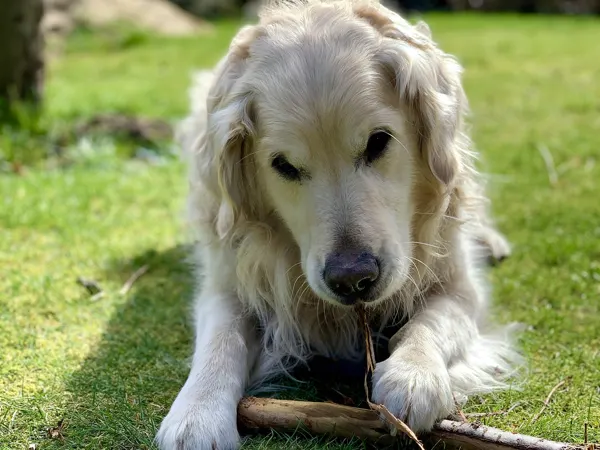
Best Food for Golden Retrievers: How to Choose for Puppies, Adults and Seniors
How to pick the best food for a golden retriever: reading the AAFCO label, large-breed puppy rules, portions, foods to avoid and the grain-free question.
How Much Should I Feed My Golden Retriever? Feeding Schedule by Age and How to Measure
How much to feed a golden retriever puppy, adult or senior: meals per day by age, how to use the label and a kitchen scale, adjusting by body condition and the biggest feeding mistakes.
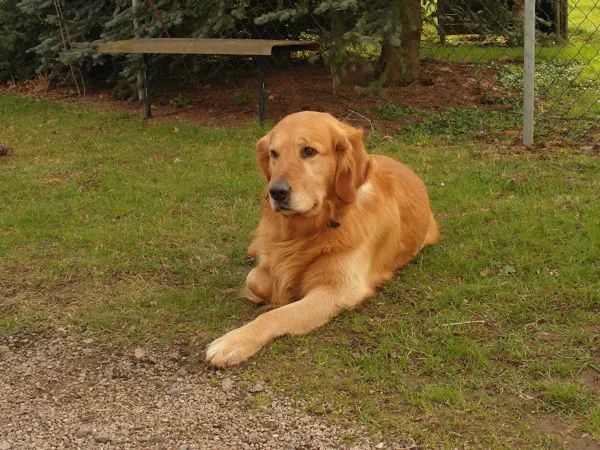

Is My Golden Retriever Overweight? Body Condition Chart and a Safe Weight-Loss Plan
How to tell if your golden retriever is overweight: the rib and waist test, the 9-point body condition score, why weight matters for joints and lifespan, and a vet-guided plan.