How Much Should I Feed My Golden Retriever? Feeding Schedule by Age and How to Measure
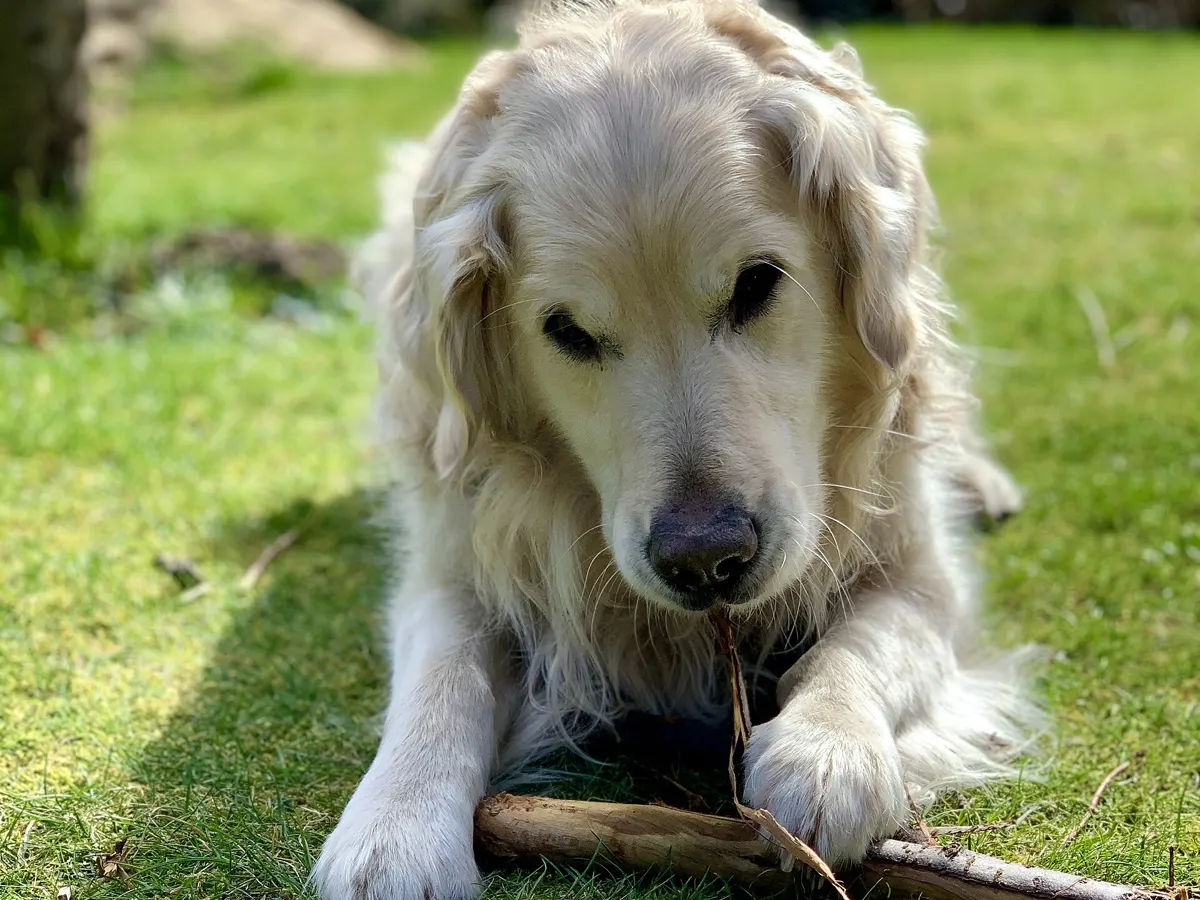
Photo: Johannnes89 via Wikimedia Commons, CC BY-SA 4.0
🐾 Getting ready for a puppy? Grab the free Golden Retriever Puppy Checklist (PDF) — no email required.
The bag has a feeding chart, your breeder gave you a number and your neighbor swears by “two cups, twice a day.” Which one is right? For a golden retriever, the honest answer is: start with the label, measure accurately and adjust to your dog’s body condition with your vet’s guidance.
Why guesses are risky
Goldens love food and gain weight easily. VCA Animal Hospitals notes that overfed large-breed puppies can develop orthopedic problems, and being overweight as an adult adds stress to joints and may shorten life. The AAHA recommends assessing every dog’s body condition and calorie needs individually.
Step 1: find the calories
Look at the bag for the calorie content, usually listed as kcal per cup or per kilogram. Different foods can differ widely, so a cup of one food isn’t a cup of another. The feeding chart on the bag gives an estimate based on weight and sometimes life stage.
Step 2: measure properly
VCA recommends weighing food on a digital kitchen scale for accuracy, because a “cup” can vary by 10 to 20 percent depending on how it’s scooped. If you use a cup, use a standard measuring cup and level it off.
Step 3: adjust to body condition
Use the scale and your hands:
- Ribs: easy to feel with light pressure, covered by a thin layer
- Waist: visible from above
- Tummy tuck: visible from the side
Vets use a 9-point body condition score, aiming for roughly 4 to 5. If your golden is above that, reduce food gradually and increase activity. See our overweight guide.
Meal frequency by age
These are common patterns. Your vet may differ.
| Age | Typical meals per day |
|---|---|
| 8 to 12 weeks | 3 to 4 |
| 3 to 6 months | 3 |
| 6 months to adult | 2 |
| Adult | 2 (some owners use 3 smaller meals) |
| Senior | 2, adjusted for appetite and health |
PetMD notes that full-grown goldens do well with two meals a day, one morning and one evening.
Puppies: slow and steady
- Use a large-breed puppy formula (guide).
- Don’t push fast growth. Check weight against our growth chart and with your vet.
- Don’t add supplements unless your vet advises.
- Weigh your puppy every week or two and adjust.
Adults
Most adult goldens are happy on a measured two-meal routine. Adjust for activity: a dog who swims or hikes daily needs more than a couch companion. Re-check body condition every month.
Treats count
Treats can quickly add up. Many vets suggest keeping treats and extras under about 10 percent of daily calories. For training, use pea-sized pieces or part of the daily kibble.
Timing and bloat
Goldens are deep-chested and can be at risk of bloat (GDV), a life-threatening emergency. Common vet suggestions include feeding measured meals instead of one big meal, slowing very fast eaters and avoiding vigorous exercise right around mealtimes, but no measure is guaranteed to prevent it. See bloat and slow feeders.
Common feeding mistakes
| Mistake | Fix |
|---|---|
| Free feeding | Measured meals |
| Using a coffee mug as a measure | Use a scale or standard cup |
| Forgetting treats and table scraps | Count them |
| Not adjusting for the season or activity | Re-check condition monthly |
| Switching foods suddenly | Transition over 7 to 10 days |
| Ignoring weight gain | Act early |
When to call the vet
- Your golden is gaining or losing weight unexpectedly
- Appetite changes for more than a day or two
- Vomiting, diarrhea or lethargy
Related
Frequently asked questions
How many times a day should I feed a golden retriever?
Puppies usually need three or four meals a day, then two to three, and most adults do well on two meals. Your vet can set a schedule for your dog.
How many cups of food does a golden retriever eat?
It depends on the food's calorie content, your dog's age, size, activity and metabolism. Use the feeding guide on the bag as a starting point, measure by weight if possible, and adjust based on body condition with your vet's help.
Should I leave food out all day?
Free feeding isn't recommended for goldens, who can overeat. Measured meals help control weight and let you notice appetite changes.
How do I know if I'm feeding too much?
If you can't feel your dog's ribs easily, they have no visible waist or they are gaining weight, you are likely feeding too much. Cut back gradually and ask your vet.
Should I feed before or after exercise?
Many vets advise avoiding hard exercise right before or after a big meal in deep-chested breeds. See our bloat guide and ask your vet.
A quick note: this guide is general information from published sources, written by dog lovers, not a veterinarian. Your own vet knows your dog's history, so check with them before changing food, exercise or treatment.
Sources
- AAHA: 2021 Nutrition and Weight Management Guidelines
- AKC: How Much Should I Feed My Dog?
- VCA Animal Hospitals: Feeding Growing Puppies
- VCA Animal Hospitals: Obesity in Dogs
- VCA Animal Hospitals: Gastric Dilatation and Volvulus (Bloat) in Dogs
- Tufts Petfoodology: Confused About What to Feed Your Large Breed Puppy? New Rules May Help!
Keep reading
Best Puppy Food for Golden Retrievers: Large-Breed Formula Checklist (No Brand Hype)
How to choose the best puppy food for a golden retriever: large-breed puppy formulas, the AAFCO statement, calcium limits, wet vs. dry, and how to switch foods safely.
Is My Golden Retriever Overweight? Body Condition Chart and a Safe Weight-Loss Plan
How to tell if your golden retriever is overweight: the rib and waist test, the 9-point body condition score, why weight matters for joints and lifespan, and a vet-guided plan.

Golden Retriever Weight and Size by Age: Growth Chart for Males and Females
A golden retriever growth chart with typical weight ranges by age for males and females, adult size standards, how to tell if your puppy is on track and when to call the vet.