Golden Retriever Puppy's First Night Home: A Realistic Plan

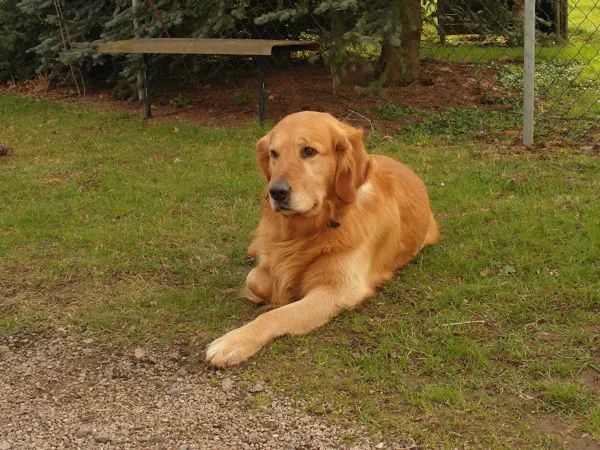
Photo: Johannnes89 via Wikimedia Commons, CC BY-SA 4.0
🐾 Getting ready for a puppy? Grab the free Golden Retriever Puppy Checklist (PDF) — no email required.
The first night with a golden retriever puppy is the one everyone worries about. The good news is that it is usually not as bad as you fear. With a little preparation, a calm evening and realistic expectations, you can get through it, and most puppies settle into a rhythm within a week or two.
What your puppy is feeling
Until today, your puppy slept in a pile of warm littermates. Tonight they are alone in a new place that smells strange. Crying, whining and pacing are normal. Your job is not to stop every sound. It is to make sure your puppy is safe, comfortable, has just been to the bathroom and knows that you are nearby.
Before bedtime: the evening routine
- Wear them out gently. A short play session and a walk around the yard in the early evening help. Do not get them overexcited right before bed.
- Last meal about two to three hours before bed. That gives them time to digest and go to the bathroom.
- Pick up the water bowl about an hour before bed (most vets say this is fine for healthy puppies, but ask yours) to reduce overnight accidents.
- Last potty trip right before bed. Take them to the same spot, use a cue word and give calm praise.
- Go to bed when they do. Do not put a puppy in a crate and then stay up for hours. They want to be with you.
Where should they sleep?
| Option | Pros | Cons |
|---|---|---|
| Crate next to your bed | You can hear them, they can hear you, easy night potty trips | You may sleep lightly at first |
| Crate in another room | Quieter for you | Harder to hear when they need to go out |
| Exercise pen with bed and pee pad | Gives room to move | Can slow house training since they can potty near their bed |
| Your bed | Warm and cuddly | Hard to undo later, and a risk of falls or accidents |
For house training, many breeders recommend a crate that is just big enough for the puppy to stand, turn around and lie down. Use the divider that comes with an adult-size crate. Our crate size guide explains.
Set up the crate
- Soft, washable bedding or a crate pad. Skip anything the puppy could chew into pieces.
- A safe chew toy or a stuffed rubber toy.
- Cover part of the crate with a blanket so it feels like a den, but leave one side open for air.
- Some breeders send home a blanket that smells like the litter. If yours did, use it.
The night itself
Expect to get up. A typical eight- to ten-week-old puppy may need to go out every few hours. Many owners set an alarm for the first night or two.
When your puppy cries:
- First ask: do they need to go out? If it has been a few hours or they are restless and circling, take them out calmly.
- Keep potty trips boring. No play, no chatting, minimal light. Go, praise, back to the crate.
- If they’ve just been out, wait a moment before responding. If you rush in every time they whimper, they may learn that crying brings attention. If they are truly distressed, go to them and reassure them.
- Do not use the crate as punishment.
What not to do
- Do not leave a very young puppy to cry for hours if it seems like panic. Cornell veterinarians advise that dogs should be gradually acclimated to crates, and that a dog who becomes highly stressed (excessive barking, drooling, panting or eliminating) should not be forced to stay.
- Do not scold for accidents. Clean them with an enzymatic cleaner and keep the schedule tighter next time.
- Do not skip the potty trip because you are tired. Tonight’s effort saves you days of cleanup.
A sample first-night timeline
| Time | What happens |
|---|---|
| 5:30 pm | Dinner |
| 6:30 pm | Quiet play, short walk and potty |
| 8:00 pm | Calm cuddle time, a chew toy |
| 9:00 pm | Pick up water, last potty trip |
| 9:30 pm | Into the crate next to your bed |
| 12:30 am | Potty trip (alarm) |
| 3:30 am | Potty trip if they wake |
| 6:00 am | Potty trip and breakfast |
This is a sample only. Your breeder’s schedule and your vet’s advice come first.
It gets easier
By the end of the first week most puppies settle faster. Over the next few weeks you will stretch the time between night trips. Our puppy sleep schedule guide shows what is realistic by age, and the potty training schedule will help you cut down on accidents.
When to call the vet
If your puppy has diarrhea, vomits repeatedly, will not eat or drink, seems very weak or has trouble breathing, call your vet or emergency clinic straight away rather than waiting for morning.
Frequently asked questions
Should my golden retriever puppy sleep in my room the first night?
Most breeders and trainers suggest putting the crate in or next to your bedroom for the first weeks. Your puppy can hear you, which is calming, and you can hear when they need to go out. You can move the crate to its permanent spot gradually.
Is it normal for a puppy to cry the first night?
Yes. Your puppy has just left their mother and littermates. Some crying is normal. The goal is to make the crate comfortable and predictable, take them out for potty breaks and not turn it into a game.
How many times will I need to get up?
Plan on at least one to three potty trips overnight for an eight-week-old puppy, then fewer as they grow. Bladder control improves week by week, but every puppy is different.
Should I let my puppy sleep in my bed?
That is your choice, but remember a golden will be 55 to 75 pounds as an adult. If you want the bed to be off limits later, start as you mean to go on. Many owners let their puppy sleep in a crate next to the bed.
When should I worry about crying?
Call your vet if your puppy seems unwell, such as vomiting, diarrhea, lethargy, or panting hard. Crying that is frantic, with drooling or injuring themselves in the crate, is a sign to slow down and ask your vet or a trainer for help.
A quick note: this guide is general information from published sources, written by dog lovers, not a veterinarian. Your own vet knows your dog's history, so check with them before changing food, exercise or treatment.
Sources
- AKC: How to Crate Train a Puppy
- Cornell University College of Veterinary Medicine: Dog crates, when to use them and how to pick one
- The Humane Society of the United States: Crate Training 101
- VCA Animal Hospitals: House Training Your Puppy
- AKC: Golden Retriever Puppy Training Timeline, From 8 Weeks to 2 Years
Keep reading
Golden Retriever Puppy Sleep Schedule: How Much Sleep Is Normal and When They Sleep Through the Night
How many hours a golden retriever puppy sleeps, a sample day with naps, and when most puppies start sleeping through the night, plus fixes for a puppy who won't settle.

Golden Retriever Puppy Potty Training Schedule: A Step-by-Step Plan That Works
A practical golden retriever puppy potty training schedule: how often to go out, how to use the crate, what to do after accidents and how long house training really takes.

What Size Crate Does a Golden Retriever Need? Puppy to Adult Guide
What size crate for a golden retriever? Adult sizes, how to use a divider for puppies, how to measure your dog, wire vs. plastic vs. soft crates and what to look for when you buy.