New Golden Retriever Puppy Checklist: What to Do Before, During and After Pickup
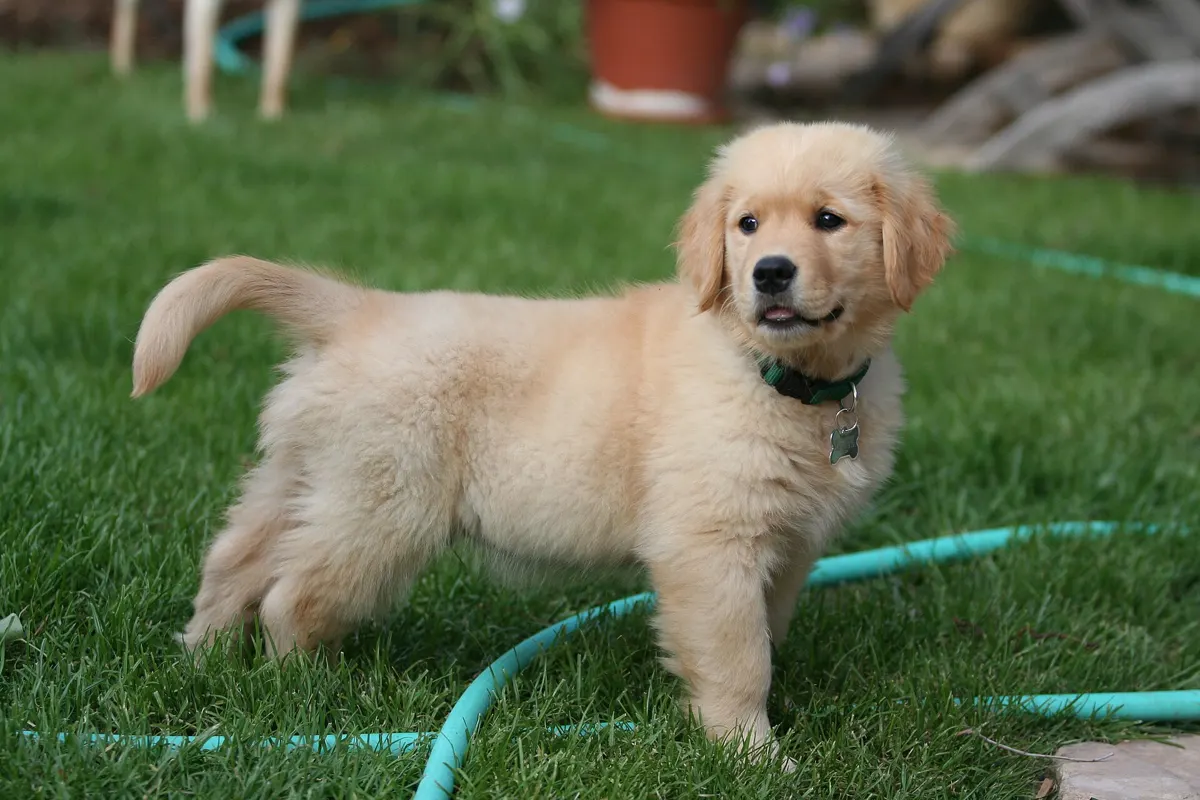
Photo: Scott via Wikimedia Commons, CC BY 2.0
🐾 Getting ready for a puppy? Grab the free Golden Retriever Puppy Checklist (PDF) — no email required.
You can’t over-prepare for a golden retriever puppy, but you can prepare in the right order. This checklist walks through what to do in the two weeks before pickup, on the day you bring your puppy home and through the first twelve weeks. It matches the way most breeders and veterinary sources describe the first few months: lots of sleep, lots of potty trips and a short window to build good habits.
Want it on paper? Download the free Golden Retriever Puppy Checklist (PDF) and stick it on the fridge.
Two weeks before pickup
- Book the first vet visit. Ask your breeder or rescue for the puppy’s vaccine and deworming records and bring them. See our puppy vaccine schedule guide so you know what to ask.
- Buy the big items. A crate with a divider, a bed, bowls and a baby gate are the ones you do not want to scramble for. Our what to buy list separates must-haves from nice-to-haves.
- Ask what the puppy is eating. Get the brand, the portion size and the meal times. Switching food abruptly can upset a puppy’s stomach, so keep the breeder’s food for at least the first few days and change gradually if your vet recommends something else.
- Plan the first night. Decide where the crate will sit. Most owners put it in the bedroom so the puppy can hear and smell you. More on that in our first night guide.
- Agree on house rules with everyone in the home: is the couch allowed, who does the 2 a.m. potty trip, what cue words you use.
Puppy-proof the house
Goldens put everything in their mouths, so think like a toddler. Walk through each room at puppy height.
| Area | What to check |
|---|---|
| Floors | Socks, shoes, kids’ toys, rubber bands and hair ties |
| Cords and cables | Tuck, cover or block access to chargers and lamp cords |
| Kitchen | Trash can with a lid, cabinets with cleaners or medicine latched |
| Bathroom | Medications, razors, floss and toilet-bowl cleaners out of reach |
| Garden | Fencing gaps, pesticides and fertilizer, poisonous plants |
| Garage | Antifreeze, rodent bait and tools stored high |
Keep the ASPCA’s list of dangerous people foods handy (chocolate, grapes and raisins, xylitol, onions and garlic, macadamia nuts, among others). The Pet Poison Helpline and ASPCA Animal Poison Control both have 24-hour phone lines; save the numbers in your phone now.
Pickup day
- Bring a towel or blanket, paper towels and a leash and collar (puppies can be car sick).
- Ask the breeder for the puppy’s records, microchip paperwork, registration papers and a feeding sheet.
- Take the puppy to the potty spot first thing at home, and praise them when they go.
- Keep the first day quiet. Too many visitors can overwhelm an eight-week-old puppy.
The first week
Your only goals are sleep, potty and bonding.
- Take your puppy out after waking up, eating, drinking and playing, and about every one to two hours in the early days.
- Offer short play sessions between naps. Young puppies are done for after 10 to 20 minutes.
- Start gentle handling of the paws, ears and mouth so the vet and groomer are easy later.
- Do your first vet visit and ask about the rest of the vaccine series.
Read: what to expect the first night, a realistic sleep schedule and potty training schedule.
Weeks 2 to 12
| Focus | What to do |
|---|---|
| Socialization | Introduce safe, positive experiences with new people, sounds, surfaces and handling. The AVSAB position statement recommends starting socialization early and doing it safely with your vet’s guidance on vaccines. |
| Training | Short, fun sessions: name, sit, down, come, “drop it” and walking nicely on a leash |
| Biting and chewing | Redirect to chew toys. See puppy biting and teething |
| Crate | Build up time in the crate gradually with treats and a stuffed toy |
| Vet | Follow your vet’s schedule for the vaccine series, deworming and parasite prevention |
| Grooming | Brush a few minutes a day and trim nails regularly so it becomes routine |
Questions to ask your vet at the first visit
- What vaccine schedule do you recommend and when is my puppy considered protected?
- Which flea, tick and heartworm preventives are right for our area?
- What food and portion size do you suggest, and how often should I weigh my puppy?
- When should we talk about microchipping, spay or neuter timing and dental care?
- What are the signs that mean I should call right away?
When to call the vet right away
Call your vet, or an emergency clinic, if your puppy has repeated vomiting or diarrhea, will not eat or drink, seems very sleepy or weak, has pale gums, is straining to pee or poop, or may have eaten something toxic or a non-food object.
Frequently asked questions
What do I need before bringing a golden retriever puppy home?
At minimum: a crate sized for an adult golden with a divider, a bed or blanket, food and water bowls, the same food the breeder has been feeding, a collar or harness with an ID tag, a leash, chew toys, grooming basics and cleaning supplies for accidents. Book a first vet visit before pickup. Our shopping guide breaks the list into must-haves and nice-to-haves.
How soon should a new puppy see the vet?
Most vets like to see a new puppy within the first few days, and many breeder contracts set a deadline, often a few days to a week, for a health check. Call for an appointment as soon as you know your pickup date because new-patient slots can fill up.
When can a golden retriever puppy go outside?
Puppies need to potty outside from day one, so use a spot in your own yard or a clean area. Until your vet says the vaccine series is far enough along, avoid dog parks and places where unknown dogs go. Your vet can tell you what is safe in your area.
What is the hardest part of the first week?
For most owners it is broken sleep and constant potty trips. Puppies this age have tiny bladders and need to go out after waking, eating, drinking and playing, plus once or twice overnight at first. A predictable routine makes everything easier.
Is there a printable version?
Yes. Our free Golden Retriever Puppy Checklist PDF includes this timeline plus a vaccine tracker, vet-question list, puppy-proofing walkthrough and toxic foods cheat sheet.
A quick note: this guide is general information from published sources, written by dog lovers, not a veterinarian. Your own vet knows your dog's history, so check with them before changing food, exercise or treatment.
Sources
Keep reading
What to Buy for a Golden Retriever Puppy: The Must-Haves vs. Nice-to-Haves List
What to buy for a golden retriever puppy, sorted into must-haves, nice-to-haves and things to skip, with what to look for in each item, plus a free printable checklist.

Golden Retriever Puppy's First Night Home: A Realistic Plan
How to get through a golden retriever puppy's first night home: where they should sleep, what to do about crying, how many potty trips to expect and a simple evening routine.

Golden Retriever Puppy Potty Training Schedule: A Step-by-Step Plan That Works
A practical golden retriever puppy potty training schedule: how often to go out, how to use the crate, what to do after accidents and how long house training really takes.