Golden Retriever Puppy Timeline: What to Expect From 8 Weeks to 2 Years

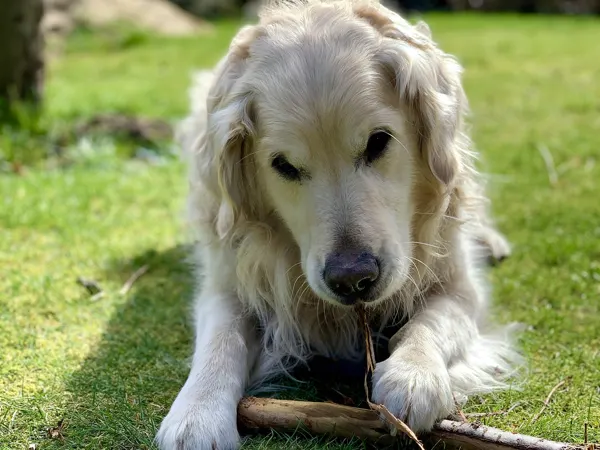
Photo: Johannnes89 via Wikimedia Commons, CC BY-SA 4.0
🐾 Getting ready for a puppy? Grab the free Golden Retriever Puppy Checklist (PDF) — no email required.
Every golden puppy grows at their own pace, but the stages tend to follow a pattern. This timeline is based on the AKC’s golden retriever puppy timeline from experienced breeders, plus general veterinary guidance. Use it as a map, not a stopwatch.
8 to 12 weeks: the baby stage
What’s happening: Your puppy has just left the litter. They sleep a lot, eat several small meals a day and learn everything for the first time.
Focus on:
- Routine: meals, naps, potty trips (see the potty schedule)
- Positive introductions to people, sounds and surfaces
- Gentle handling of paws, ears and mouth
- First vet visit and vaccine series (schedule guide)
3 to 6 months: the “angel phase”
The AKC’s timeline calls ages 2 to 6 months the “angel phase.” Puppies are eager, quick to learn and still small enough to carry.
What’s happening:
- Baby teeth fall out and adult teeth come in (teething guide)
- Mouthiness peaks, and so does chewing
- Short attention span, lots of naps
- A fear stage can appear. The AKC advises helping puppies work through these moments so they don’t stick
Focus on:
- Puppy classes and basic cues: sit, down, come, leave it, drop it
- Socialization with calm adult dogs and different people
- Crate time and short periods of alone time
- Trimming nails and brushing several times a week, an AKC grooming recommendation for this stage
6 to 12 months: the teenage months begin
The AKC timeline describes a stage when “once-perfect angels” start testing limits. Puppies can look adult but still think like a baby.
What’s happening:
- Rapid growth, with up to about 80 percent of adult size reached by around this stage
- Adolescent mood swings, selective hearing and a second fear stage
- Females may have a first heat. Talk to your vet about timing
- High energy
Focus on:
- Consistent training. Practice cues in new places with distractions
- Daily exercise that suits their growing joints: walks, swimming, sniffing, retrieving games
- Weighing regularly. Keep your puppy lean. Extra weight is hard on growing joints
- Don’t skip class because they “know it”
1 to 2 years: the final stretch
What’s happening:
- Most height growth is finished, and the body fills out
- Males may take longer to mature in the head and chest
- The adult coat and feathering come in (coat change guide)
- Calorie needs change, and weight management becomes important. The AKC timeline notes that metabolism changes, especially after sterilization
Focus on:
- Continued training and new activities such as agility, scent work, dock diving or field work
- Switching to adult food on your vet’s schedule
- Talk to your vet about spay/neuter timing, because research suggests timing can matter for goldens (see our guide)
2 years and beyond
The breed’s physical and emotional maturity comes together around two years. The AKC says: “If you do everything you need to for the first two years of the puppy’s life, you will have the dog of your dreams for the remainder of its life.” Adult females typically weigh 55 to 65 pounds and males 65 to 75 pounds.
Stage-by-stage cheat sheet
| Age | Main job for you | Common challenge |
|---|---|---|
| 8 to 12 wks | Routine, safe socialization | Sleep, potty, biting |
| 3 to 6 mos | Basic training, classes | Teething, chewing |
| 6 to 12 mos | Consistency, exercise | Selective hearing, energy |
| 12 to 24 mos | Adult routine, weight control | Leash pulling, jumping |
| 2+ yrs | Enrichment, health checks | Weight gain, joint care |
Growth and weight
Weight by age varies between lines and individuals. See our growth and weight chart for typical ranges and how to tell if your puppy is on track. A lean puppy is a healthy puppy, so always combine the scale with a body condition check.
Exercise by age
A common rule of thumb is a few minutes of structured exercise per month of age, once or twice a day, with free play on top. It is a rough guide only. Avoid long runs on hard surfaces and lots of jumping while joints are developing, and ask your vet what is right for your puppy. See our exercise guide.
Frequently asked questions
When is a golden retriever considered an adult?
Most goldens finish growing in height by about a year and fill out by about two years. Males can take longer to finish maturing. Many owners switch from puppy to adult food at around a year to 18 months, but your vet should guide that.
What is the hardest age for a golden retriever puppy?
Many owners say the teenage months, roughly 6 to 18 months, when hormones, energy and independence peak. Training and exercise matter most at this stage.
When do golden retrievers calm down?
Most goldens start to settle between two and three years old, though individuals vary. Daily exercise, training and mental games make a big difference.
When should I start training my golden puppy?
Right away. The AKC's golden retriever timeline notes that training begins immediately, with group puppy classes, and that goldens are eager to please. Keep sessions short and fun.
Do golden retriever puppies go through fear periods?
Yes. The AKC timeline describes fear stages in the first months. Stay calm, avoid forcing exposure and reward brave behavior.
A quick note: this guide is general information from published sources, written by dog lovers, not a veterinarian. Your own vet knows your dog's history, so check with them before changing food, exercise or treatment.
Sources
Keep reading
Golden Retriever Weight and Size by Age: Growth Chart for Males and Females
A golden retriever growth chart with typical weight ranges by age for males and females, adult size standards, how to tell if your puppy is on track and when to call the vet.

Golden Retriever Puppy Training: A Step-by-Step Guide for the First Year
How to train a golden retriever puppy: socialization, biting, crate and potty training, and what to expect from the angel stage through the teenage months.


Golden Retriever Exercise Needs: How Much Is Enough at Every Age
How much exercise does a golden retriever need? Age-by-age guidance for puppies, adults and seniors, plus swimming, mental games and hot-weather safety.