Golden Retriever Puppy Potty Training Schedule: A Step-by-Step Plan That Works
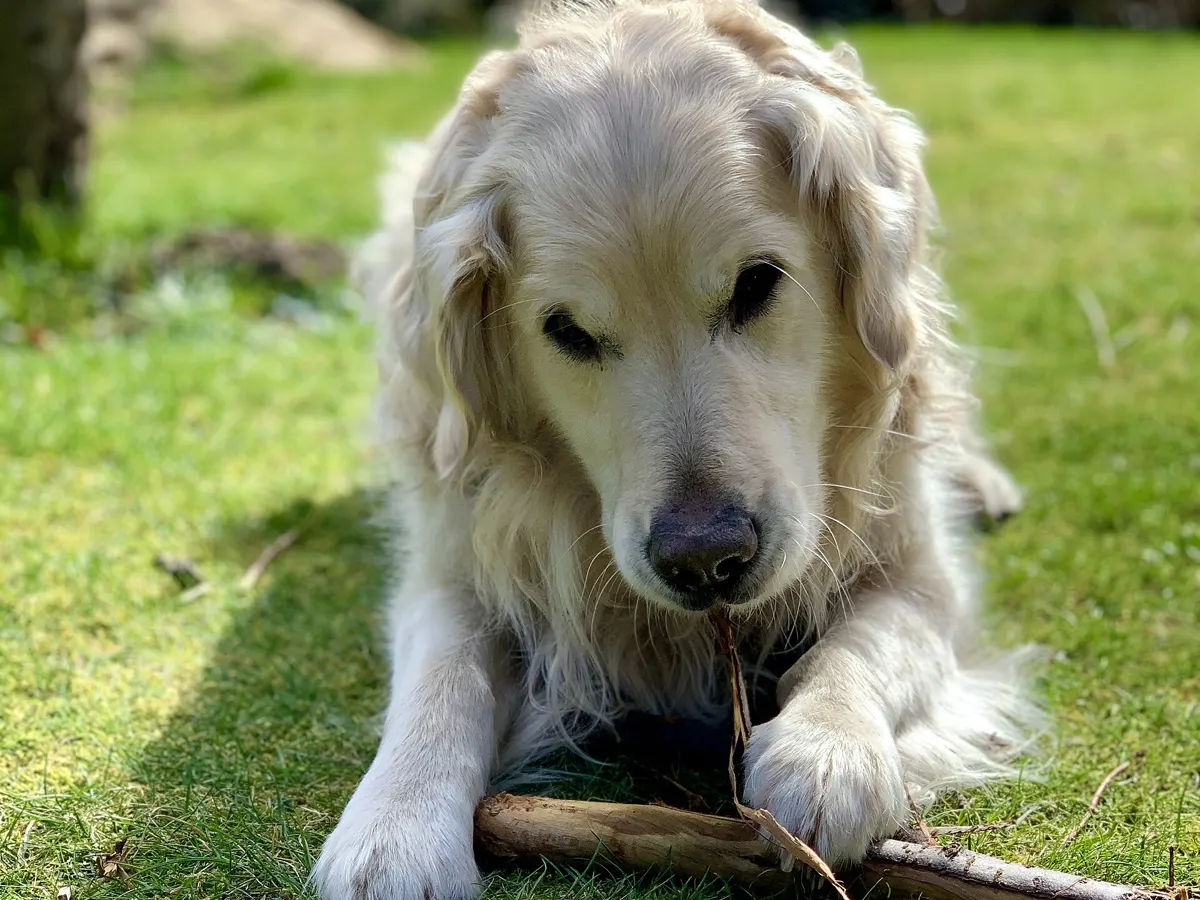
Photo: Johannnes89 via Wikimedia Commons, CC BY-SA 4.0
🐾 Getting ready for a puppy? Grab the free Golden Retriever Puppy Checklist (PDF) — no email required.
House training is the thing new puppy owners worry about most, and it is almost entirely about management and repetition. A golden is eager to please and smart, but an eight-week-old puppy simply has a small bladder and little control. This plan uses the same principles that the AKC and veterinary hospitals describe: frequent trips, a consistent spot, lots of praise and constant supervision.
The basic rules
- Take your puppy out on a schedule, not when they ask. By the time a puppy signals, there is often little time left.
- Go to the same spot every time and use a cue word like “go potty.”
- Stay with your puppy and reward right away with calm praise and a small treat when they finish.
- Supervise or confine. When you cannot watch, use the crate or a pen. Dogs generally do not want to soil where they sleep.
- Never punish accidents. Clean up and adjust the schedule.
When to go out
Take your puppy to the potty spot:
- First thing in the morning, and last thing at night
- After every nap
- Within minutes after eating or drinking
- After play or excitement
- Every one to two hours in the first weeks, then gradually longer
- Any time you see sniffing, circling, whining or heading to a corner
Sample schedule: 8 to 12 weeks
| Time | Plan |
|---|---|
| 6:30 am | Straight outside, then breakfast |
| 7:15 am | Outside after eating |
| 8:15 am | Outside after play |
| 9:30 am | Outside after nap |
| 11:00 am | Outside |
| 12:00 pm | Lunch then outside |
| 1:30 pm | Outside after nap |
| 3:30 pm | Outside |
| 5:30 pm | Dinner then outside |
| 7:00 pm | Outside after play |
| 9:00 pm | Last outside trip, then bed |
| Overnight | Out once to three times at first |
Write your own times on a chart, and tweak after a week once you see your puppy’s pattern. Our free puppy checklist includes a potty log.
Using the crate for house training
A crate can help because puppies are reluctant to soil their sleeping area. It only works if the crate is the right size: just large enough for your puppy to stand, turn around and lie down. If it is too big, they can go in one corner and sleep in the other. Use the divider that comes with a large crate and move it back as your puppy grows. See our crate size guide.
The Cornell University College of Veterinary Medicine also points out that crates should not hold a puppy longer than they can reasonably wait, and a dog should never be left in a crate for an extended period without a chance to relieve themselves, play or exercise.
How long can a puppy hold it?
A very rough rule of thumb you will see is one hour for each month of age, plus one, up to a maximum of around 8 hours for an adult. For example, a 10-week-old might manage two to three hours awake, at most. Excitement, play and drinking shorten that. Treat the rule as an upper limit, not a goal.
Dealing with accidents
- Interrupt calmly if you catch them in the act (“oops!”), pick them up and go outside. If they finish out there, reward them.
- Clean with an enzymatic cleaner, not an ammonia-based product that can smell like urine to a dog.
- Look at the schedule: Did you miss a trip? Was the puppy left free too long? Did you feed late?
Troubleshooting
| Problem | What helps |
|---|---|
| Pees right after coming inside | Stay outside until they go, then bring in |
| Goes in the same spot indoors | Block off that area and clean thoroughly |
| Pees when excited | Keep greetings calm and low-key. Most puppies outgrow it |
| Won’t go in rain or cold | Go out with them, use a covered spot, praise lavishly |
| Poops in the crate | Review meal timing and crate size; check with your vet if there is diarrhea |
| Suddenly more accidents | Rule out a urinary tract infection or an upset stomach by calling your vet |
When it is a medical issue
Repeated accidents, straining, blood in the urine or stool, or a puppy who drinks and pees far more than usual deserves a vet visit. House training problems are not always training problems.
The golden advantage
Goldens love routine and praise, which is a huge plus. Keep sessions positive and consistent, and most golden puppies get the idea quickly. Combine this guide with our sleep schedule to line up naps, meals and potty trips.
Frequently asked questions
How long does it take to potty train a golden retriever puppy?
Most puppies learn the basics within a few weeks if you are consistent, but reliable house training often takes four to six months or longer. Accidents at four to five months do not mean you have failed.
How often should a golden retriever puppy go out?
Young puppies need to go out very often: after waking, after eating or drinking, after play and roughly every one to two hours in the early days. The gap grows as the puppy matures. A common rule of thumb is about one hour per month of age, plus one, as a maximum for the daytime, but many puppies need more frequent trips.
Should I use pee pads?
Pads can be handy for people in high-rise apartments or those who cannot get outside quickly, but they can also teach a puppy that indoors is a bathroom. If you use them, plan how and when you will phase them out.
My puppy goes outside, then pees inside right away. Why?
Puppies are easily distracted. Stay with them outside and wait until they have finished before you play. Keep them on a leash if needed, then reward when they go.
What do I do about accidents?
Do not punish. Clean the spot with an enzymatic cleaner and tighten your schedule. Punishing after the fact does not teach a puppy what you want.
A quick note: this guide is general information from published sources, written by dog lovers, not a veterinarian. Your own vet knows your dog's history, so check with them before changing food, exercise or treatment.
Sources
Keep reading
Golden Retriever Puppy Sleep Schedule: How Much Sleep Is Normal and When They Sleep Through the Night
How many hours a golden retriever puppy sleeps, a sample day with naps, and when most puppies start sleeping through the night, plus fixes for a puppy who won't settle.

What Size Crate Does a Golden Retriever Need? Puppy to Adult Guide
What size crate for a golden retriever? Adult sizes, how to use a divider for puppies, how to measure your dog, wire vs. plastic vs. soft crates and what to look for when you buy.
New Golden Retriever Puppy Checklist: What to Do Before, During and After Pickup
A step-by-step new golden retriever puppy checklist: what to arrange before pickup, what to do on day one, and what to tackle in weeks 2 to 12. Free printable PDF included.