Golden Retriever Diarrhea: Common Causes, Warning Signs and When to Call the Vet
Please see your vet. This guide is general education, not a diagnosis or treatment plan. If your golden seems unwell, call your veterinarian. If it looks like an emergency, go to an emergency vet right away.
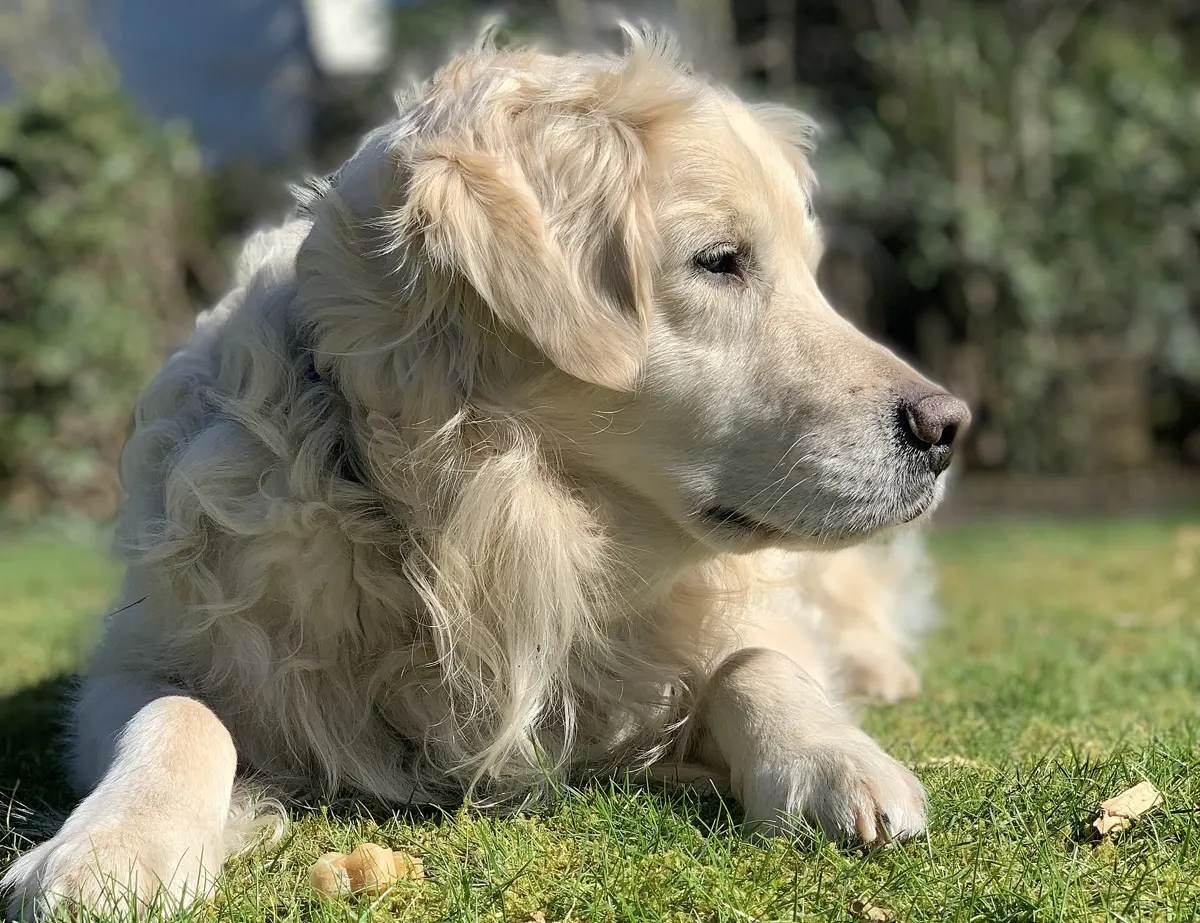
Photo: Johannnes89 via Wikimedia Commons, CC BY-SA 4.0
🐾 Getting ready for a puppy? Grab the free Golden Retriever Puppy Checklist (PDF) — no email required.
Diarrhea is one of the most common reasons owners worry about their golden retriever’s health. Many goldens are enthusiastic eaters who will happily scavenge, steal or chew whatever they can reach. Most bouts of loose stool are mild and short-lived, but diarrhea can also be the first sign of something serious, such as parvovirus in a puppy or a swallowed object.
This guide explains the common causes, the warning signs that mean you should call your vet now, what to tell your vet, and what you can do at home only with your vet’s guidance. It’s general information, not a diagnosis. If you’re worried about your dog, call your veterinarian.
Call your vet right away if you see any of these
VCA Animal Hospitals, the AKC and the Merck Veterinary Manual all flag the same red flags. Contact your veterinarian or an emergency clinic promptly if your golden has diarrhea along with any of the following:
- Blood in the stool, or black, tarry stools. The Merck Veterinary Manual notes that black, tarry feces may be a sign of bleeding in the stomach or small intestine.
- Vomiting, especially repeated vomiting. The AKC lists vomiting for more than an hour or vomiting blood as reasons for immediate care.
- Weakness, lethargy or collapse, or your dog just seems “flat.”
- Fever, belly pain or a swollen, hard belly. Repeated unproductive retching with a swollen belly can be a sign of bloat (GDV), which is an emergency.
- Loss of appetite, weight loss or signs of dehydration.
- Pale gums.
- Possible poisoning or swallowing a toy, sock, corn cob or other object.
- A puppy, particularly one who isn’t fully vaccinated, or a senior dog or a dog with an existing health condition. AKC guidance stresses that very young and older dogs are more fragile, and that even a little dehydration can make them ill.
If you think your golden ate something toxic, don’t wait for more symptoms. Call your vet, an emergency clinic or a poison helpline such as the ASPCA Animal Poison Control Center at (888) 426-4435 (a consultation fee may apply). Our human foods guide lists common toxic foods.
How long is too long?
There’s no single safe waiting period for every dog, so use these guidelines as a reason to call, not a reason to wait:
- VCA advises consulting your veterinarian if frequent liquid or semi-liquid stools persist for more than two days, even in an otherwise healthy adult dog.
- The AKC’s guide to calling the vet lists diarrhea for more than 24 hours as a stool change to discuss with your vet, and its puppy guide says to call if a puppy’s diarrhea lasts more than a day.
- Any of the red flags above means call now, regardless of how long the diarrhea has lasted.
When in doubt, phone your clinic and describe what you’re seeing. Your vet’s team can tell you whether your golden needs to come in.
What counts as diarrhea?
VCA describes diarrhea as unformed or loose stools that happen in larger amounts or more often than usual. It isn’t a disease on its own but a sign that something is upsetting the digestive tract. Some variation in stool consistency is normal in healthy dogs.
With a long-coated breed like a golden, you may notice the problem on the fur before you see it in the yard. VCA points out that in long-haired breeds, staining or soiling of the fur around the back end can be a clue. Our grooming guide covers combing and trimming the longer feathering, which makes cleanup easier.
Vets also pay attention to the pattern, because it hints at where the problem is. The Merck Veterinary Manual describes a general difference:
| Clue | Often points toward the small intestine | Often points toward the large intestine (colon) |
|---|---|---|
| How often your dog goes | Normal or slightly more often | Very often |
| Amount each time | Normal to large | Small |
| Urgency and straining | Usually absent | Usually present |
| Mucus | Usually absent | Common |
| Blood | Dark, black stool | Red, fresh blood |
| Weight loss | May happen | Rare |
This table isn’t a way to diagnose your dog at home. It just shows why your vet will ask detailed questions about what the stool looks like and how often your golden is going.
Common causes of diarrhea in golden retrievers
The AKC, VCA and Merck list many possible causes. These are the ones owners run into most:
- Dietary indiscretion. Eating garbage, table scraps, rich treats, dead things, or anything found on a walk. The AKC calls this one of the more common causes.
- A sudden food change. Switching to a new food too quickly can upset the digestive tract. Our feeding guide covers changing foods gradually with your vet’s input.
- Intestinal parasites. Roundworms, hookworms, whipworms, coccidia and giardia can all cause diarrhea, and puppies are especially prone to them. A stool test is the way to find them.
- Stress. Travel, boarding, a move or other big changes can trigger loose stools. Our car travel guide covers getting your golden comfortable in the car gradually.
- Infections. Viral infections such as parvovirus and distemper, and bacterial infections, can cause diarrhea, sometimes severe.
- Toxins and poisonous plants.
- Swallowed objects. Toys, socks and other items can irritate the gut or cause a blockage. Merck notes that a foreign object can physically obstruct the intestines.
- Food allergy or intolerance. The AKC notes that food allergies usually show up as skin problems but can cause diarrhea in some dogs. Our allergies guide explains how vets work through food trials.
- Medications. Diarrhea is a side effect of some drugs. If it starts after a new medication, call your vet rather than stopping the medication on your own.
- Other illnesses. VCA and the AKC list pancreatitis, inflammatory bowel disease, organ problems and cancer among the more serious causes, which is why diarrhea that keeps coming back deserves a vet workup.
Puppy diarrhea: be quicker to call
The AKC notes that even mild diarrhea is dehydrating for a puppy, and some causes of puppy diarrhea are dangerous. Cornell University’s Baker Institute describes canine parvovirus as a highly contagious virus that most often strikes puppies between 6 and 20 weeks old. Signs often include lethargy and loss of appetite, followed by fever, vomiting and diarrhea. Bloody diarrhea or vomiting has several possible causes, and parvo is only one of them, so your vet will need to test.
The AKC advises calling your vet about a puppy with diarrhea, and calling right away if the puppy:
- Hasn’t finished their vaccine series
- Has bloody diarrhea or black, tarry stools
- Has a fever, pale gums, pain or is vomiting
- May have swallowed something toxic or a foreign object
- Has had diarrhea for more than a day
The AKC also notes that stress and diet changes are common triggers, and a new home brings plenty of both. Ask your breeder or shelter exactly what your puppy has been eating, and talk to your vet before switching foods. See our puppy vaccine schedule for how vaccines protect against parvovirus, and our new puppy checklist and free printable puppy checklist for planning the first vet visit.
What your vet will want to know
Your vet will usually start with your dog’s history and a physical exam. The Merck Veterinary Manual suggests asking, when you book the appointment, whether to bring a recent stool sample. VCA says vets often ask:
- When the diarrhea started and how often it’s happening
- What it looks like: color, consistency, smell, and any blood or mucus
- Any recent change in food, treats or chews
- Anything your golden might have eaten, from the trash to a toy
- Recent travel, boarding, daycare, dog parks or contact with other dogs
- Any vomiting, appetite change, drinking more or less, or change in energy
- Vaccination and deworming history, and any medications or supplements
Writing things down helps you answer accurately. The free Puppy Care Log has a “Toilet observation” entry where you can note the time and a short description of each stool, plus “Meal observation” for food changes. It’s a notebook that stays on your device, not a diagnostic tool, and you can share the notes with your vet.
How vets usually diagnose and treat diarrhea
For mild cases, VCA notes that vets may not run more tests unless the first treatment doesn’t work or your dog gets worse. If more testing is needed, the AKC and VCA list options such as:
- Fecal tests for parasites
- Blood work and a GI panel
- PCR tests for infectious organisms, including parvovirus testing in puppies
- X-rays or abdominal ultrasound
- Endoscopy and biopsies in some chronic cases
Treatment depends on the cause. According to VCA and the AKC, it may include:
- A short period without food or a bland or veterinary gastrointestinal diet, as your vet directs
- Dewormers or other antiparasitic medication if parasites are found
- Anti-diarrheal medication or probiotics chosen by your vet
- Fluids, and sometimes hospitalization, for dogs who are dehydrated or very ill
- For suspected food intolerance, a strict prescription diet trial. An AKC veterinary expert says such a trial should last at least eight weeks, with no other foods or treats.
VCA notes that many cases of sudden diarrhea respond well to this kind of conservative care. Once stools are back to normal, you can usually move back to the regular diet gradually, over about seven to ten days, according to VCA.
Caring for your golden at home (with your vet’s OK)
If your vet says it’s fine to monitor at home, these steps follow the guidance from VCA and the AKC:
- Keep fresh water available at all times. VCA warns that a dog with diarrhea can quickly become dehydrated.
- Ask before fasting or changing food. Your vet may suggest a short break from food, a veterinary GI diet, or a bland diet such as plain boiled chicken and white rice. Ask how much to offer and for how long. Don’t withhold food from a puppy unless your vet tells you to.
- Feed small meals. AKC veterinary guidance suggests small, frequent meals of a bland diet rather than one or two big ones.
- Skip human medicines. The AKC warns that most human medications don’t help dog diarrhea and some can be harmful. Only give medicine your vet has approved for your dog.
- Check with your vet about probiotics. VCA says some probiotics may help, but product quality and effectiveness vary, so ask first.
- Watch for red flags. If your golden starts vomiting, seems weak, won’t eat, has blood in the stool, or isn’t improving, call your vet.
- Keep things clean. Pick up stool promptly, wash your hands, and wash bedding. Some intestinal infections and parasites can spread to other pets, and the Companion Animal Parasite Council notes that some giardia types can infect people. CAPC also recommends bathing dogs being treated for giardia to remove fecal debris from the coat, which matters with a long golden coat.
How to lower the odds of another upset stomach
You can’t prevent every bout of diarrhea, but these habits help:
- Control what your golden can eat. The AKC says limiting what your dog eats is the best way to prevent diarrhea. Use lidded trash cans, keep counters clear, supervise chews and watch closely on walks.
- Go easy on table scraps and rich treats. See our safe and toxic human foods list.
- Change foods gradually, and talk to your vet before big diet changes.
- Keep up with vaccinations. The AKC and the Merck Veterinary Manual both note that vaccination helps prevent serious causes such as parvovirus.
- Stay on top of parasite control. Ask your vet about regular fecal tests and deworming. The American Heartworm Society notes that some heartworm preventives also protect against certain intestinal worms, though no single product covers every parasite. Our flea, tick and heartworm guide covers building a plan with your vet.
- Pick up after your dog and keep living areas clean. Merck notes that good sanitation and regular cleaning help prevent digestive infections.
- Plan for stress. Keep routines steady around travel, boarding and moves when you can.
The short version
- Diarrhea is a sign, not a disease. Most mild cases settle quickly, but some are serious.
- Call your vet right away for blood, black stools, vomiting, weakness, pain, a swollen belly, possible poisoning or swallowed objects, or diarrhea in a puppy, senior or dog with health problems.
- Even in an otherwise healthy adult, VCA advises calling if diarrhea lasts more than two days.
- Keep water available, ask your vet before fasting or changing food, and never give human medicine without your vet’s OK.
- Note what you see and what your golden ate so you can give your vet a clear history.
- Prevent repeats with careful food control, gradual diet changes, vaccines and parasite control.
Frequently asked questions
When should I worry about my golden retriever's diarrhea?
Call your veterinarian right away if the diarrhea is bloody or black and tarry, or if it comes with vomiting, weakness, fever, belly pain, loss of appetite, dehydration or lethargy. Also call promptly if your golden is a puppy (especially one who isn't fully vaccinated), a senior, has a health condition, or may have swallowed something toxic or a toy, sock or other object. VCA Animal Hospitals advises contacting your vet if frequent liquid or semi-liquid stools last more than two days even in an otherwise healthy dog.
Why does my golden retriever have diarrhea but is acting normal?
Mild, short-lived diarrhea in a dog who is otherwise eating, drinking and acting normally is often linked to something like a sudden food change, rich treats or table scraps, scavenging, or stress from travel or boarding. Even so, an AKC veterinary expert advises making an appointment with your regular vet if it keeps happening, and parasites are a common cause that only a stool test can find.
Can I give my golden retriever Imodium or other human medicine for diarrhea?
Not unless your veterinarian specifically tells you to. The AKC warns that most human medications are ineffective for dog diarrhea and some can be harmful. VCA also advises checking with your vet before giving any probiotic or supplement, because product quality and effectiveness vary.
Is chicken and rice good for a golden retriever with diarrhea?
A bland diet such as plain boiled chicken and white rice is a common short-term step that AKC veterinary experts mention for mild cases, and VCA notes that vets may instead recommend a veterinary gastrointestinal diet. Ask your vet before changing your golden's food, how much to offer and for how long, then move back to the regular food gradually once stools are normal.
Why does my golden retriever puppy have diarrhea?
Common causes in puppies include a change of food, stress from a new home, intestinal parasites such as roundworms, hookworms, coccidia and giardia, eating things they shouldn't, and infections such as parvovirus. The AKC advises calling your vet about any puppy with diarrhea, and right away if the puppy hasn't finished their vaccinations, has bloody or black stools, is vomiting, seems in pain or has diarrhea lasting more than a day.
A quick note: this guide is general information from published sources, written by dog lovers, not a veterinarian. Your own vet knows your dog's history, so check with them before changing food, exercise or treatment.
Sources
- VCA Animal Hospitals: Diarrhea in Dogs
- AKC: Dog Diarrhea, Signs, Symptoms and Treatments
- AKC: Puppy Diarrhea, Causes, Treatment and Symptoms
- AKC: Should I Call My Vet? Know When to Ask a Vet's Opinion
- AKC: When to See the Vet
- AKC: Imodium (Loperamide) for Dogs
- Merck Veterinary Manual (Pet Owner Version): Introduction to Digestive Disorders of Dogs
- Merck Veterinary Manual (Pet Owner Version): Disorders of the Stomach and Intestines in Dogs
- Cornell University College of Veterinary Medicine, Baker Institute: Canine Parvovirus
- Companion Animal Parasite Council: Giardia Guidelines
- ASPCA: People Foods to Avoid Feeding Your Pets
Keep reading

What Human Foods Can Golden Retrievers Eat? Safe, Risky and Toxic Lists
Which human foods are safe for golden retrievers and which are dangerous: apples, bananas, carrots and peanut butter vs. grapes, chocolate, xylitol, onions and more, with emergency numbers.
Golden Retriever Puppy Vaccine Schedule: What to Expect (Core and Optional Shots)
A plain-English golden retriever puppy vaccine schedule based on AAHA guidelines: core vs. non-core vaccines, typical timing, and the questions to ask your vet.
Bloat (GDV) in Golden Retrievers: Warning Signs, Emergency Steps and Prevention
Bloat (gastric dilatation-volvulus) is a life-threatening emergency in deep-chested dogs like golden retrievers. Learn the warning signs, what to do and what vets say about prevention.

How Much Should I Feed My Golden Retriever? A Measured, Individual Feeding Plan
Use your food’s calorie label, measured portions and veterinary body-condition checks to build an individual feeding plan for a golden puppy, adult or senior.
Flea, Tick and Heartworm Prevention for Golden Retrievers: A Vet-Guided Plan
How to plan flea, tick and heartworm prevention for a golden retriever with your vet: year-round protection, coat checks, safe product use, testing and swim-friendly routines.